Explore how fuel retailers manage inventory, maintain dependable operations and plan investments across the forecourt. Start with the operating guide, then follow the latest reporting and analysis.
An analysis of summer 2026 fuel rewards data reveals customer stacking trends alongside low baseline redemption rates, while international forecourt operators prepare for the IFSF 2026 conference on mobility standards.
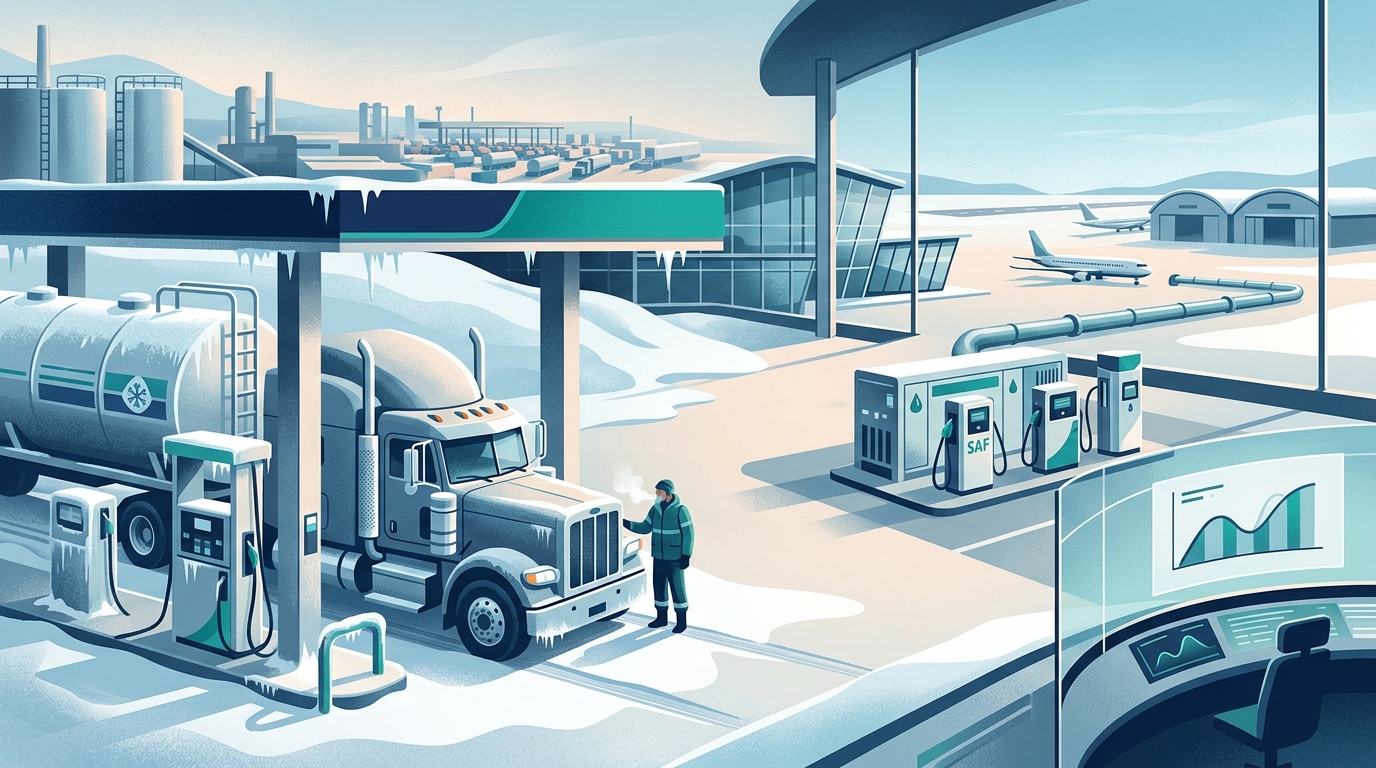
This briefing covers U.S. legislative hearings regarding Diesel Exhaust Fluid (DEF) deratements in cold climates and reports on the European Union's 2025 Sustainable Aviation Fuel (SAF) benchmark performance.
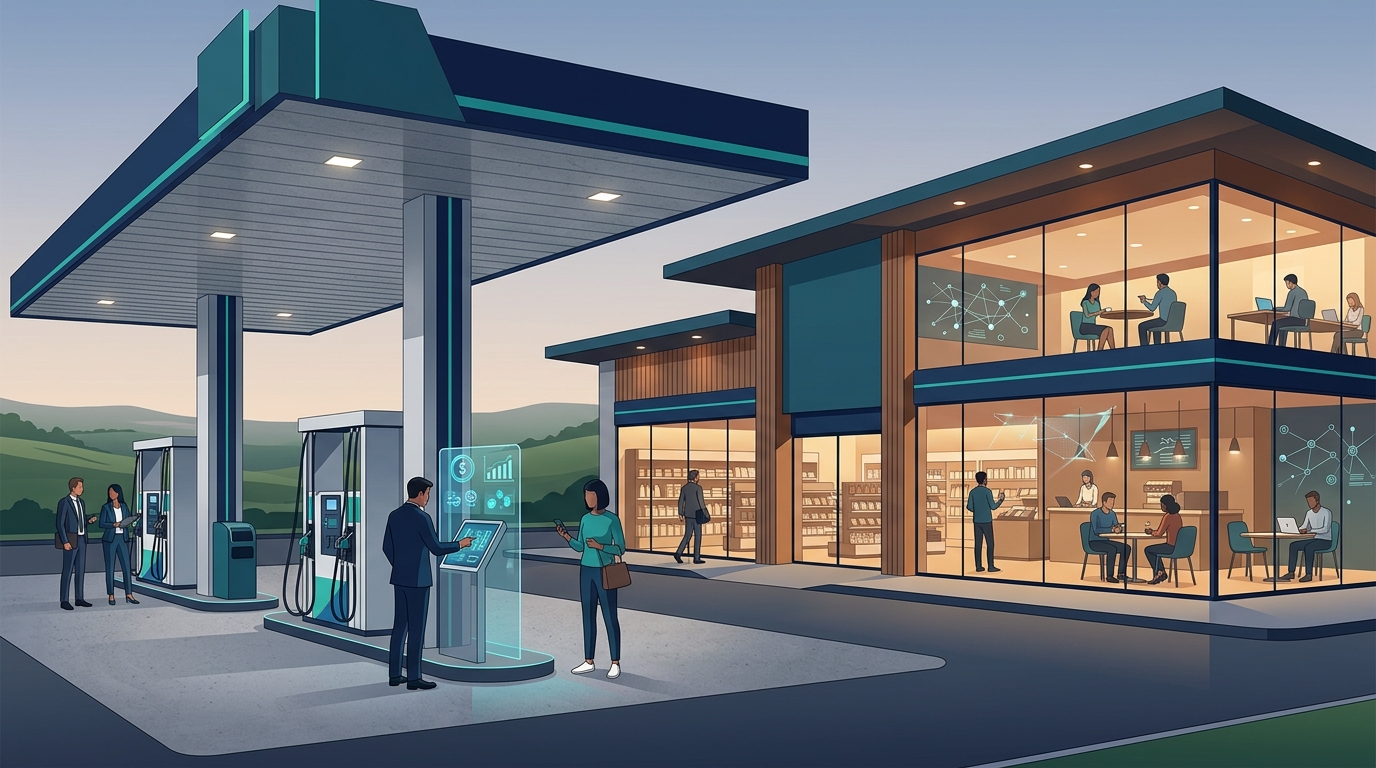
United Refining is partnering with PAR Technology to establish a loyalty and enterprise insights platform across Kwik Fill c-stores, while ADNOC Distribution scales its large-format 'The Hub' sites targeting 30 locations and $30 million in annual EBITDA by 2030.
SAB Events and NTT DATA have announced forecourttech LATAM’27 for March 2027 in Mexico, while LV Petroleum expands its North American network by acquiring two TA Express locations toward a goal of 100 travel centers.
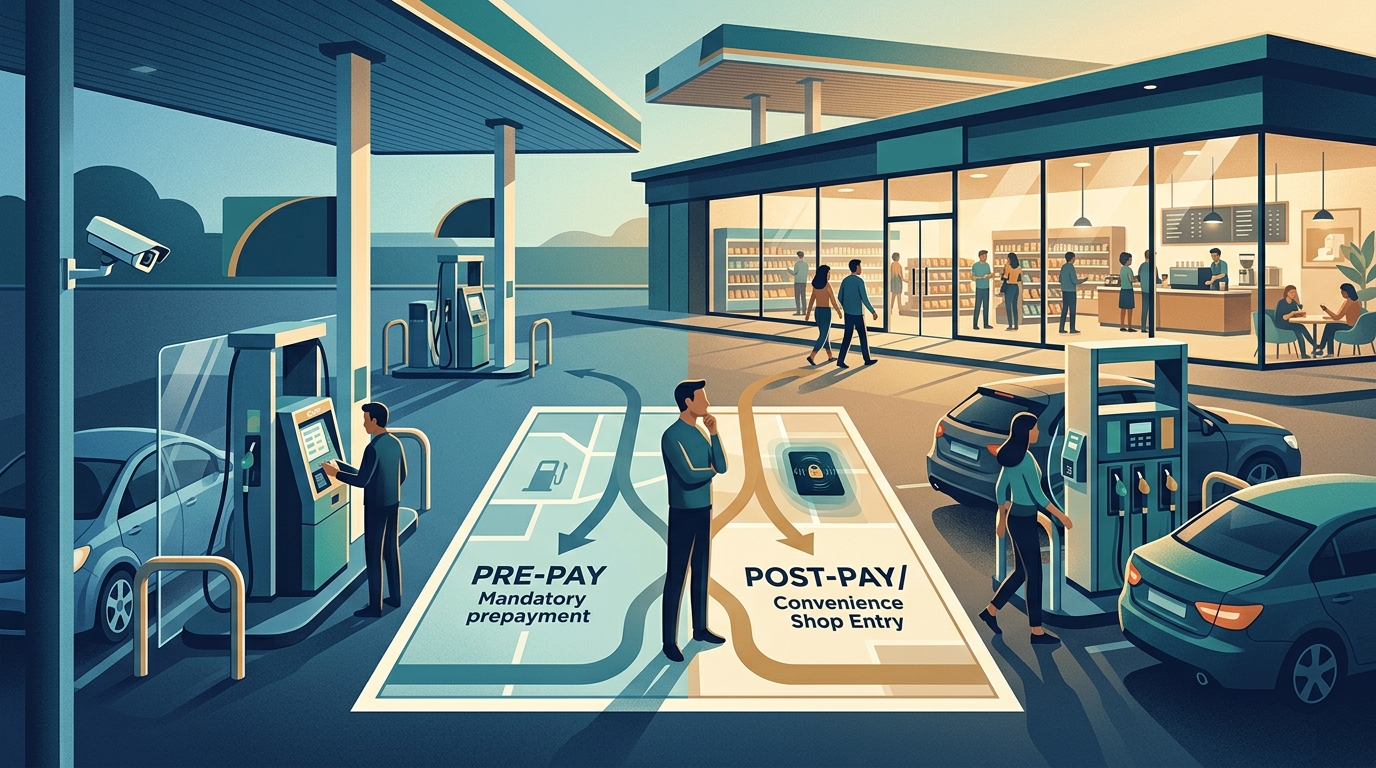
Escalating fuel prices and global conflicts have led to sharp increases in fuel drive-offs worldwide. Retailers face a strategic choice between mandatory prepayment, which eliminates theft but risks reducing in-store foot traffic, and tech-driven security measures that protect post-payment dwell time.
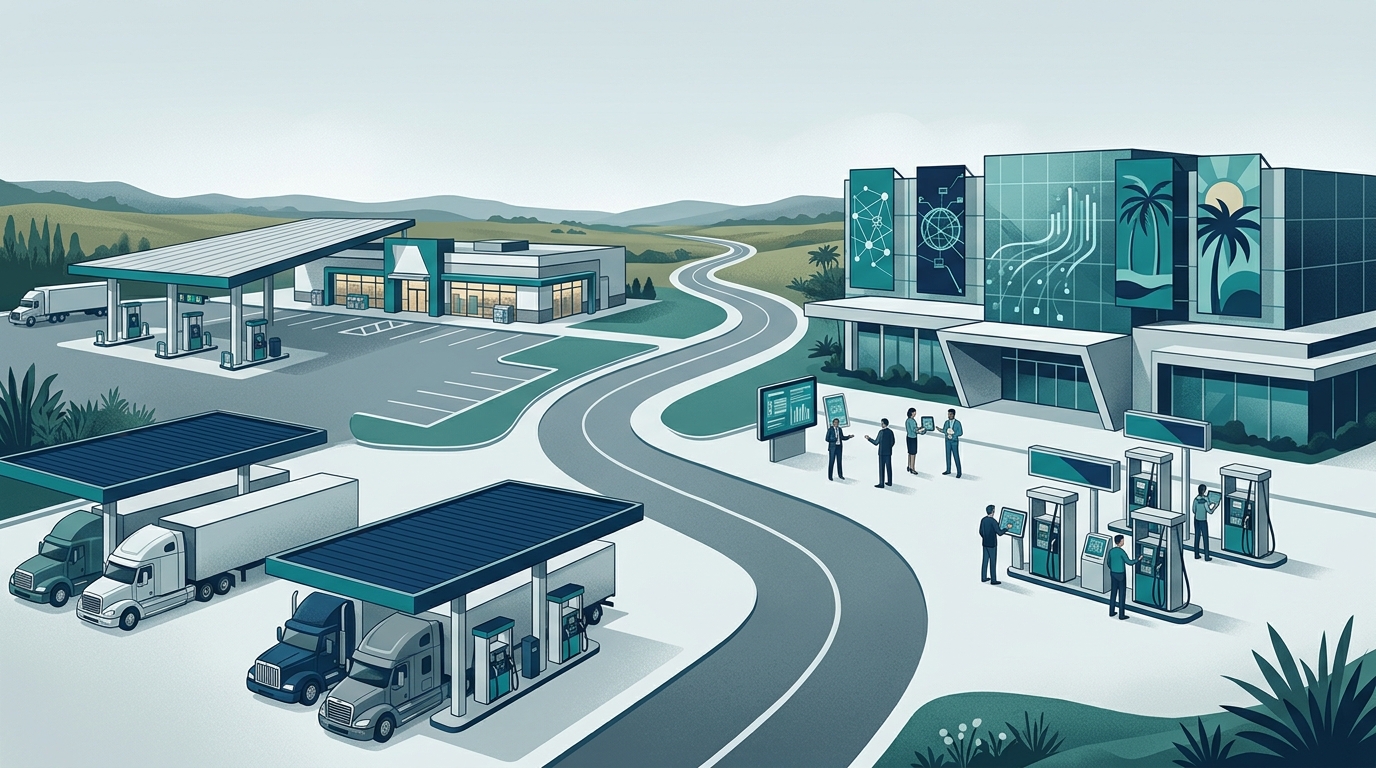
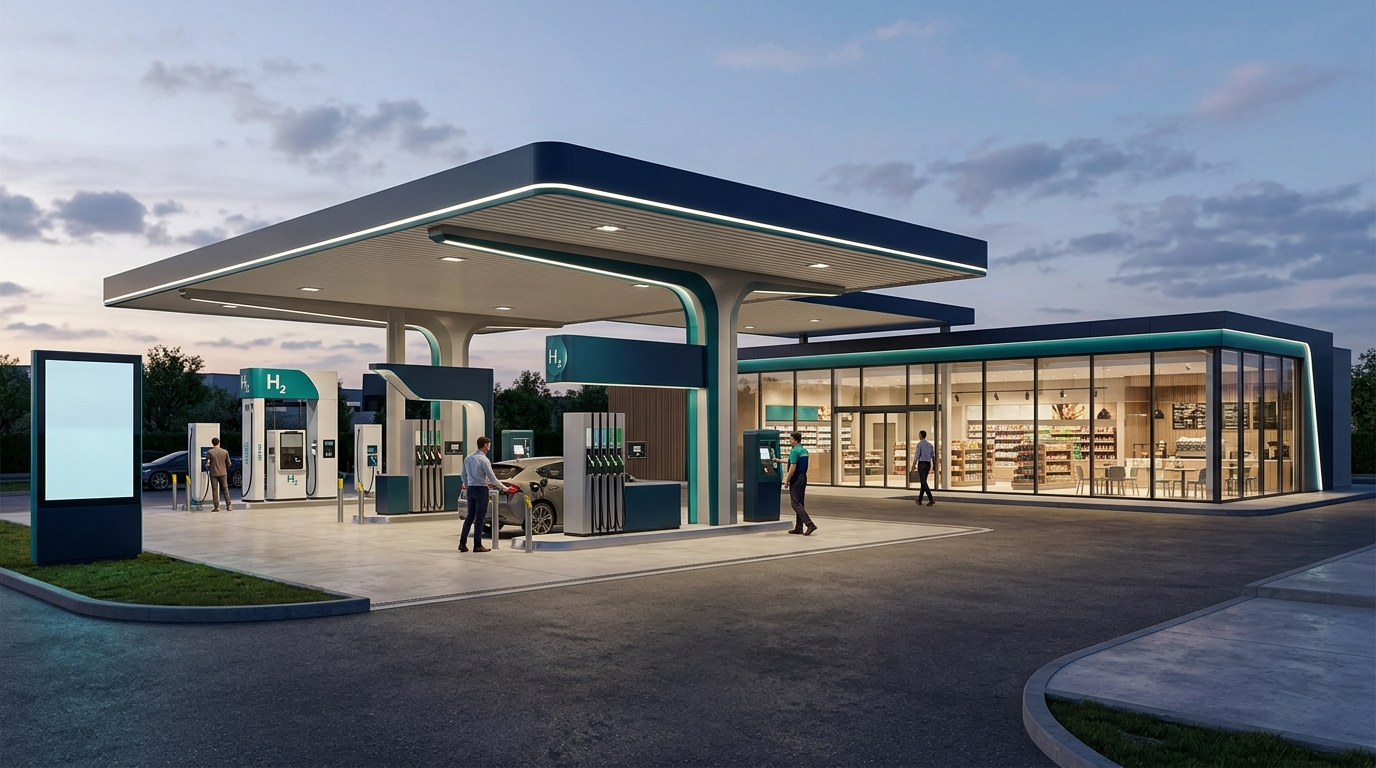
European fuel and convenience retail is transitioning from basic refuelling sites to integrated customer hubs. This briefing reviews HVR Energy's €20 million Series A funding for Spanish hydrogen stations and outlines the strategic focus areas for the upcoming forecourttech '26 conference in Alicante.
An analysis of World Fuel's Midwest dealer contract acquisition alongside scale disparities and digital convenience ecosystems in Poland's forecourt market.
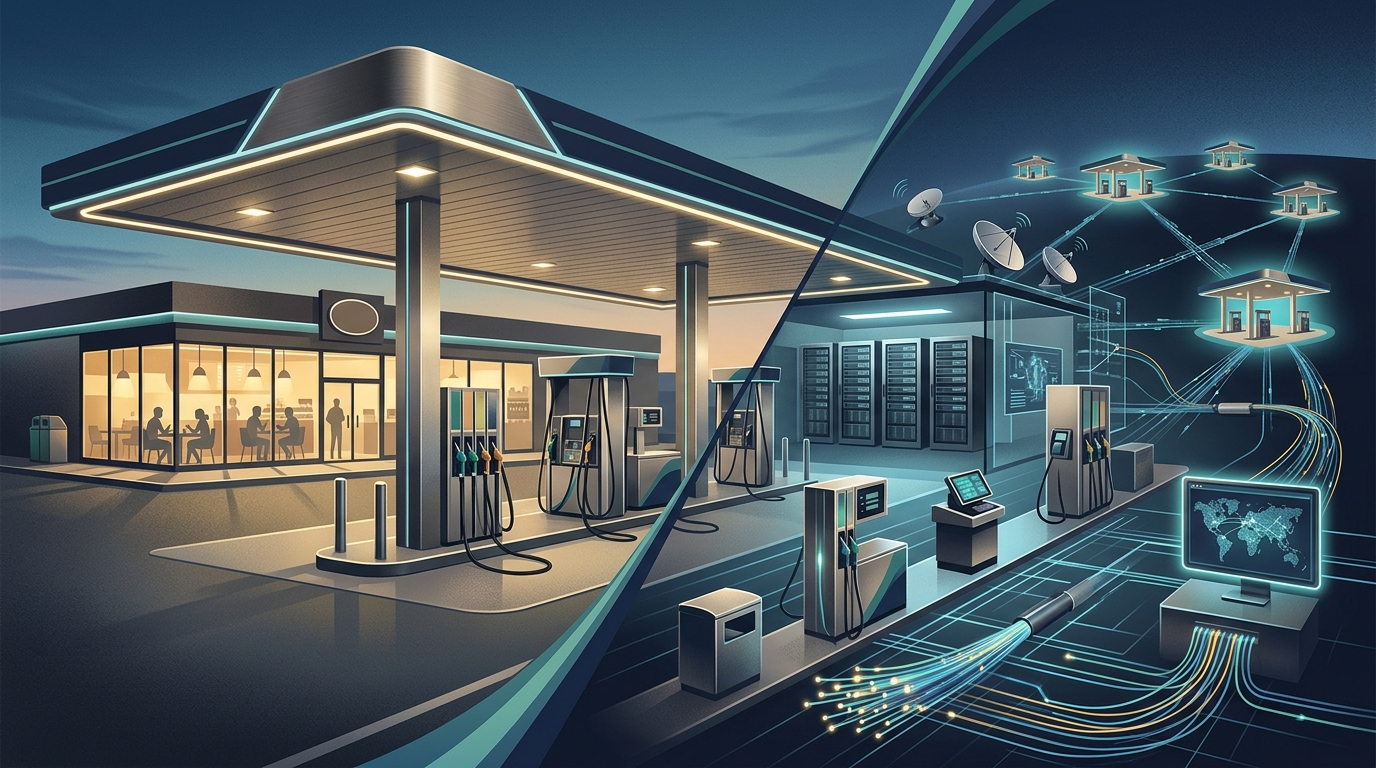
An operational analysis examining regional QSR co-locations in North America and foundational IT infrastructure strategy across European forecourt networks.
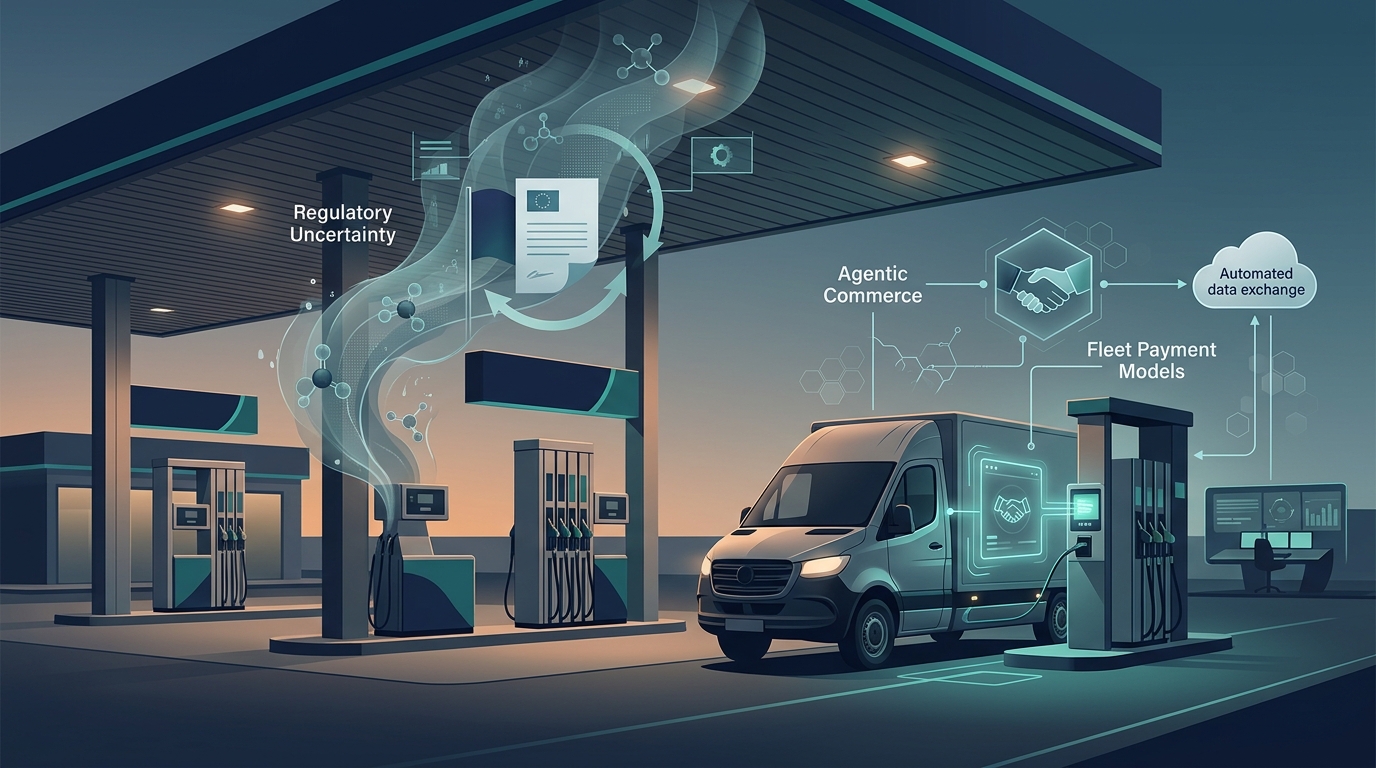
This briefing analyzes European Commission recommendations on the EU Methane Regulation alongside emerging agentic commerce payment models for fleet and forecourt operators.
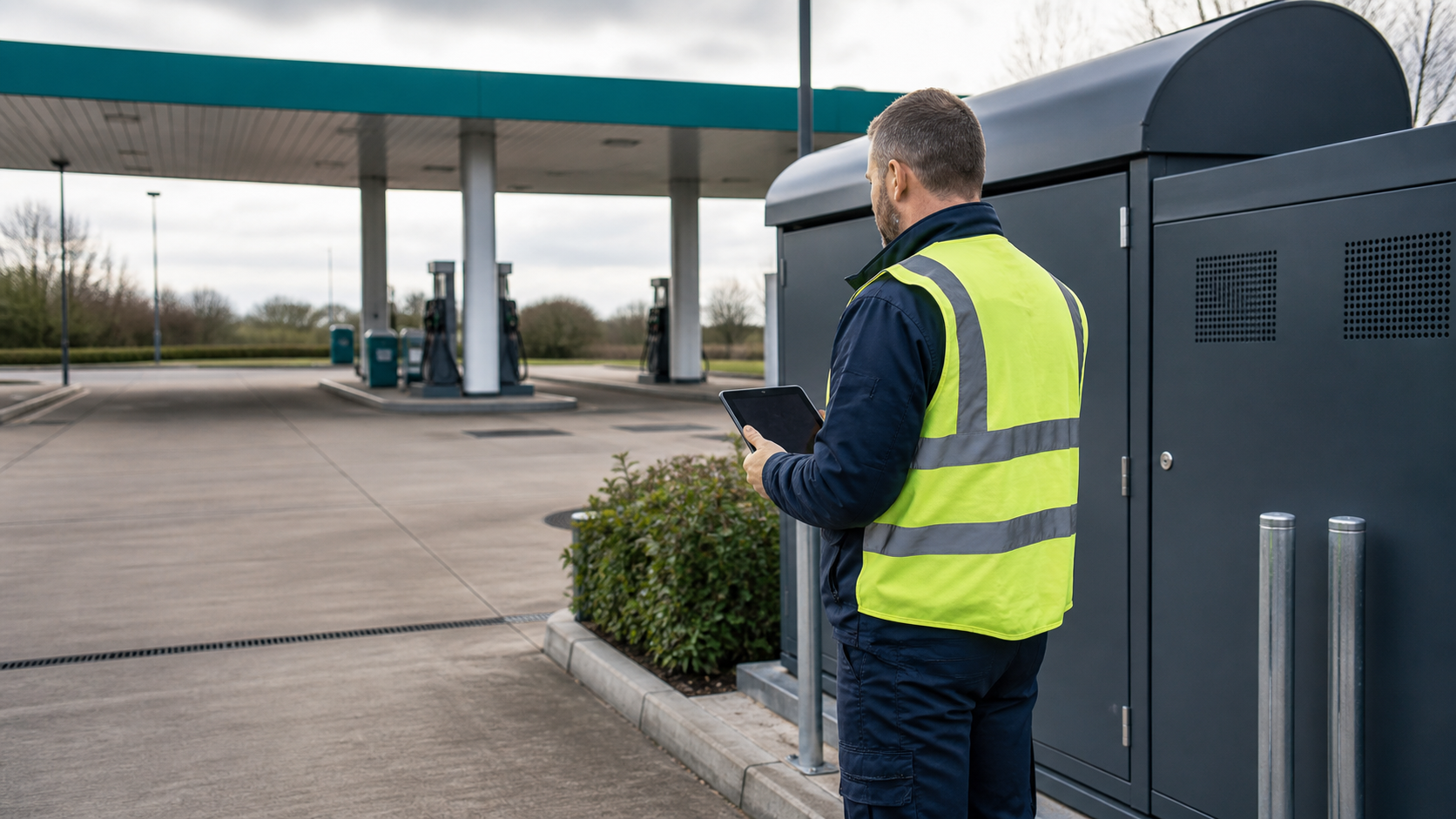
US underground-tank operators need a retrievable trail of monitoring, maintenance and escalation. Equipment presence alone does not establish compliance.
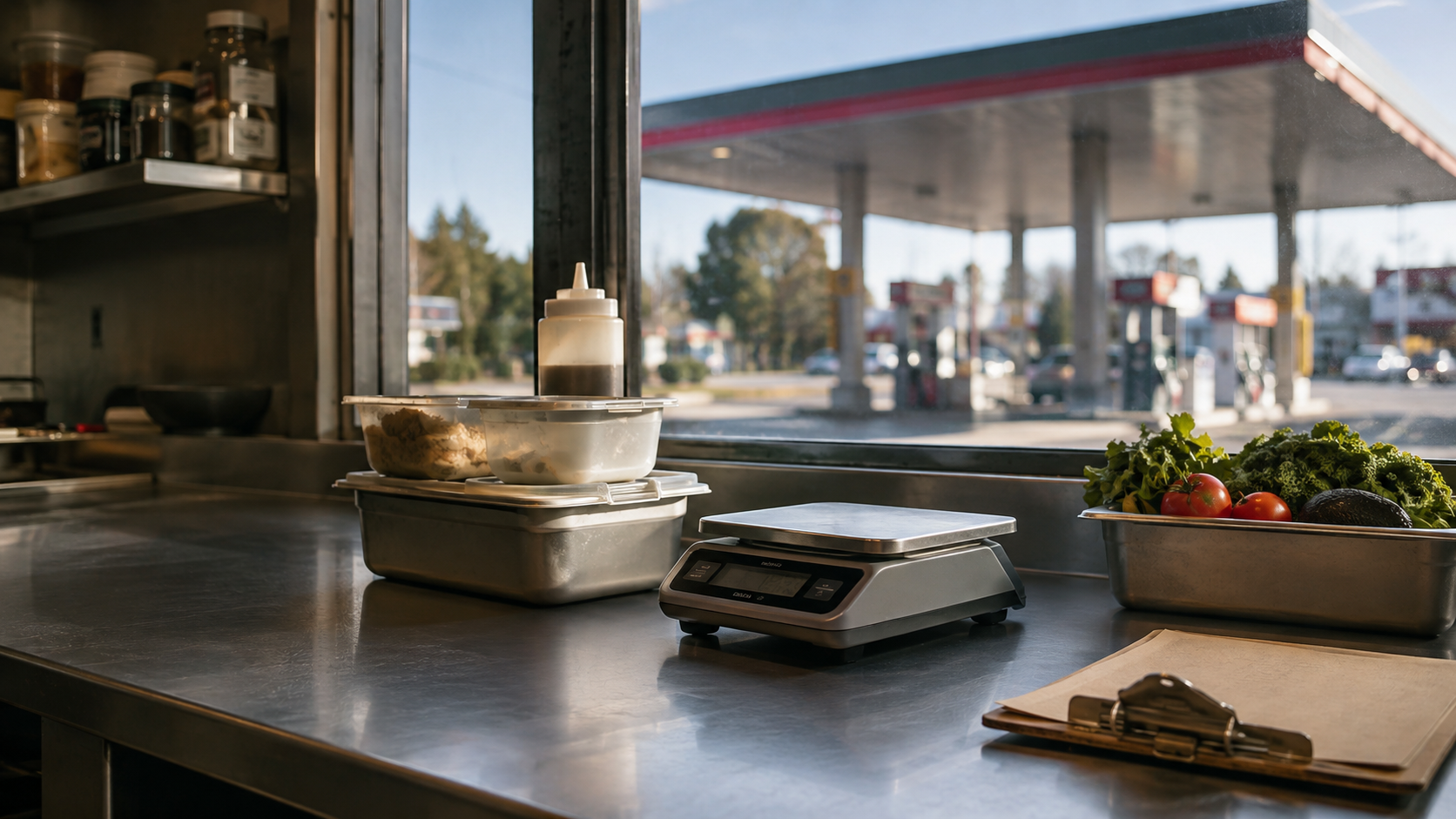
US underground-tank operators need a retrievable trail of monitoring, maintenance and escalation. Equipment presence alone does not establish compliance. A practical food-waste baseline connects discarded product with production and sales. It can guide a targeted trial without borrowing another operator’s savings claim.
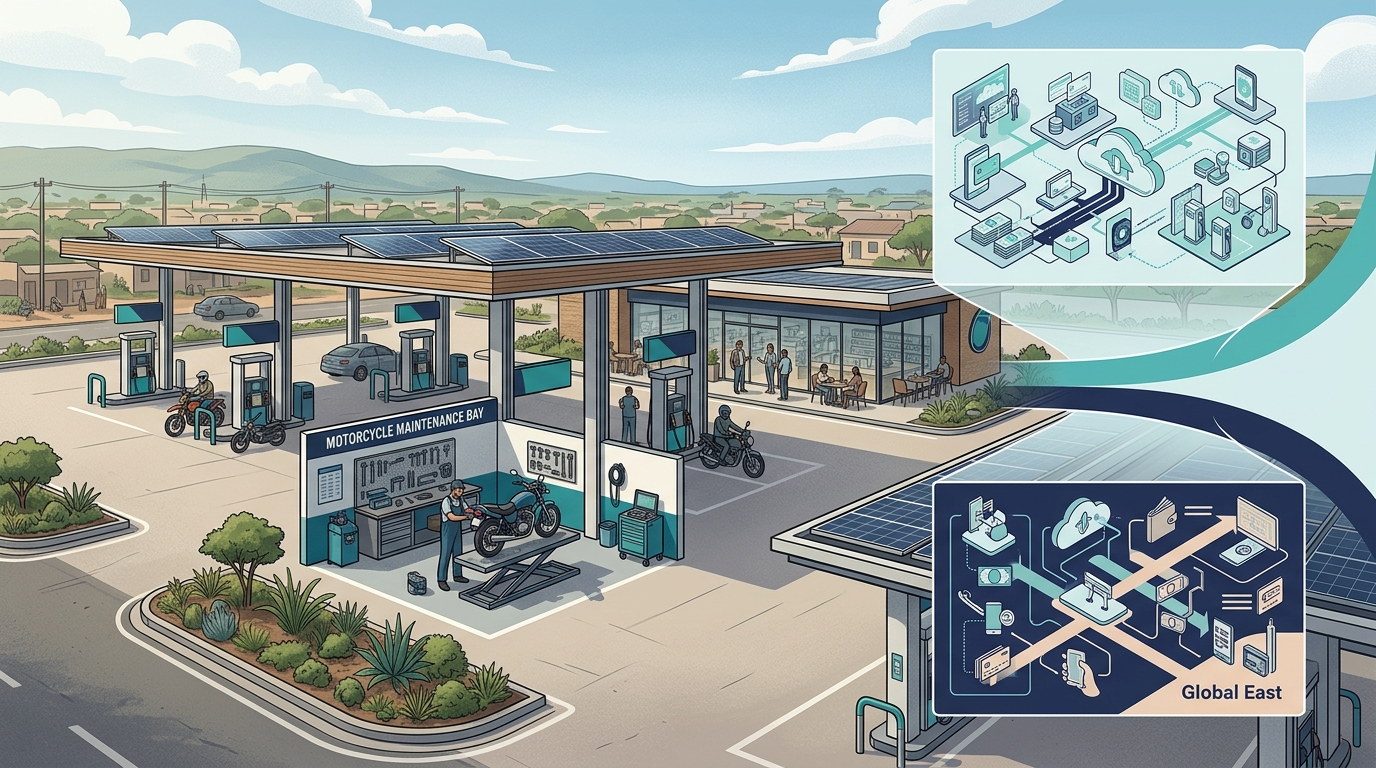
A unified customer experience can depend on several systems and contracts. Fuel authorisation, retail sales, EV charging sessions and payment settlement do not become one process simply because an operator chooses a single brand of equipment.
Wetstock control requires consistent measurement and an accountable investigation process. A controller upgrade can improve connectivity, but it cannot by itself prove that all differences between deliveries, sales and tank measurements have disappeared.
Hydrogen freight infrastructure should be assessed against the vehicles and routes it will serve. Announced ambitions, planned facilities and commissioned stations represent different levels of evidence.
 Analysis