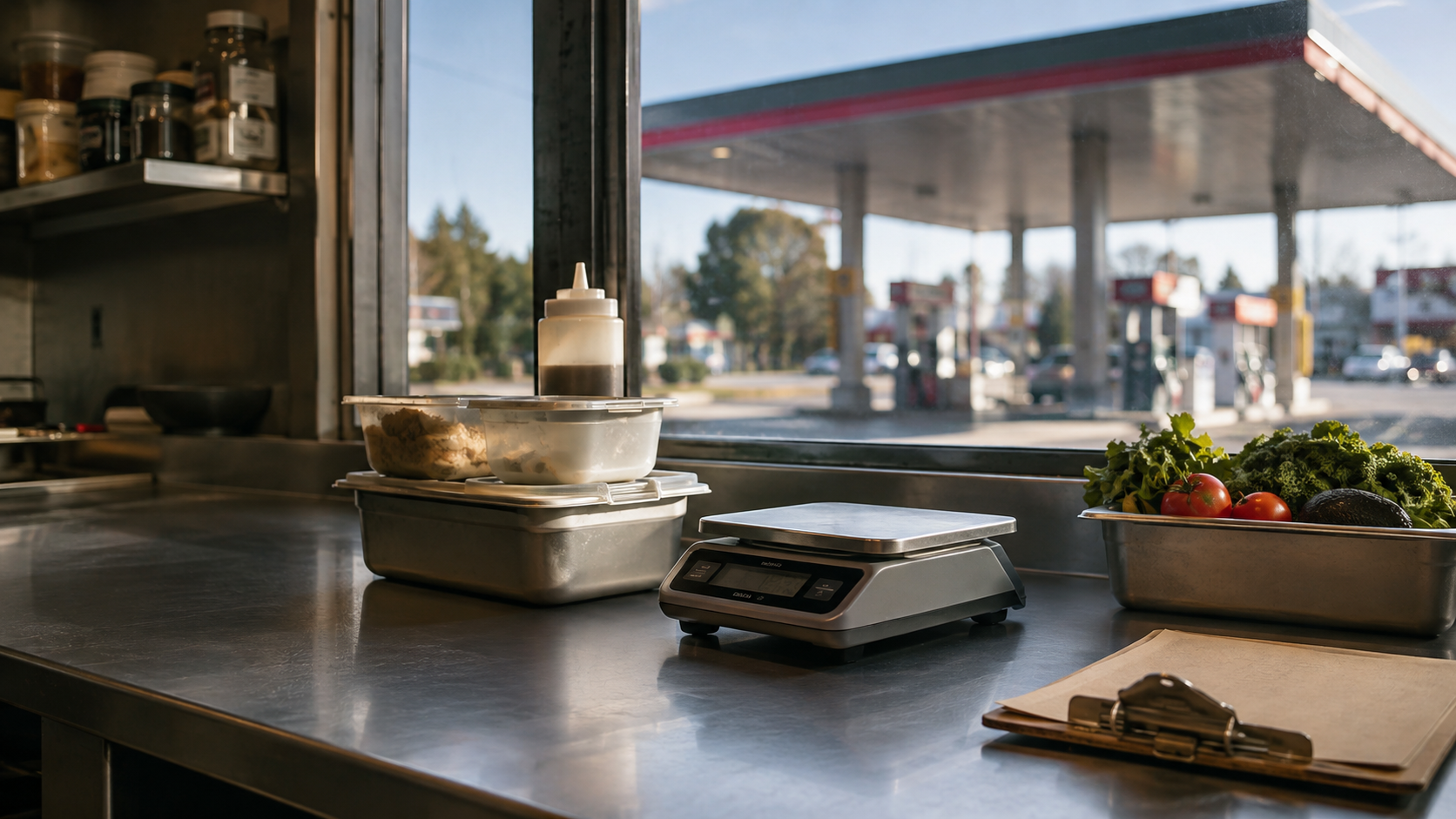
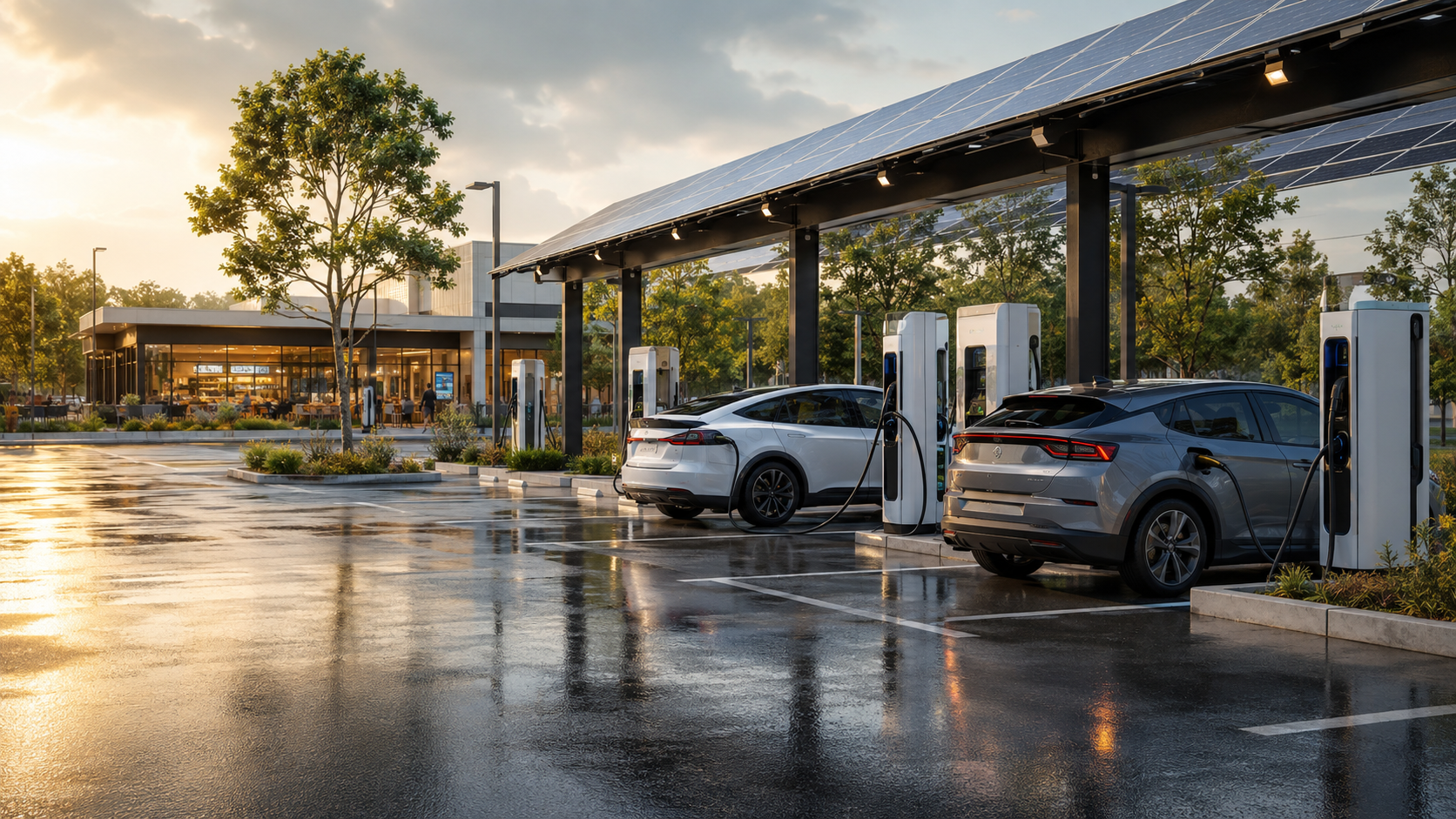
At Wyong on Australia’s M1, Ampol can draw extra power when the grid has room. What happens to waiting times when that headroom disappears? The hosts also look at the kitchen bottleneck behind faster ordering.
In Iserlohn, a charger’s peak rating tells only part of the story. In Florida, RaceTrac’s remodels raise a different question: do new pizza and coffee counters earn their space?
Ampol agreed to buy the operator of Evie Networks. The hosts ask how to tell whether charging brings extra sales into the shop, then look at how Pump & Pantry plans its menu around the time of day.
ASKO’s service agreement with ABB puts maintenance and downtime at the centre of depot charging. On the retail side, the hosts ask when a meal bundle earns its margin after labour and waste.
Refuel keeps operating its stores after selling the properties. The hosts weigh the cash released against the lease commitments, then examine a hydrogen truck trial on regular delivery routes.
EnBW’s fast-charging hub and KFC’s dine-in test pose different questions about the same scarce resource: site space. The hosts weigh charging time, parking and room for customers to sit.
At Lidl’s Waddinxveen depot, the hosts examine how charging demand fits a delivery schedule. They also look at the fresh-food offer Valora and team energie are piloting in northern Germany.
Requiring payment at the pump changes a shopper’s reason to enter the store. The hosts discuss how to test prepay against monitored post-payment, then examine a two-store convenience pilot in Hanoi.
BGF Retail’s agreement with Korea Post gives CU operators a question to test: do parcel customers also buy something? The episode also covers EnBW’s approach to charging support.
Replacing hardware at an existing site changes what drivers can use there. The hosts ask how to measure reliability after an upgrade and what a seasonal food offer contributes after discounts.
The f’real and Lula Commerce agreement puts self-serve drinks on delivery menus at participating sites. The hosts ask who fulfils each order and how it fits into a busy shift.
An Estonian motorway site illustrates the choice between battery storage and a larger grid connection. The hosts also ask how Pilot can tell whether ordering kiosks ease the lunch rush.
US underground-tank operators need a retrievable trail of monitoring, maintenance and escalation. Equipment presence alone does not establish compliance. A practical food-waste baseline connects discarded product with production and sales. It can guide a targeted trial without borrowing another operator’s savings claim.
The US federal charging rule measures uptime per port within a defined funding scope. Operators also need evidence of what happens when a driver tries to charge. An accessible charging visit includes the bay, cable, controls, payment and route to amenities. Design guidance and enforceable obligations must be distinguished.
GS1’s retail transition is a practical integration project. A successful scan must become one correct transaction, with additional product data handled deliberately. NIOSH guidance puts visibility, cash controls, clear exits and staff training at the centre of violence prevention. Technology needs a workable response behind it.
The Driivz and WEX integration raises a practical question about which sites accept a fleet payment today. The hosts also unpack the conditions for earning linked rewards at Tim Hortons in Canada.
The hosts trace who helps the driver when a roaming session goes wrong, then turn to the work behind Office Lawson’s scan-and-pay shops and Asda’s electronic shelf labels.
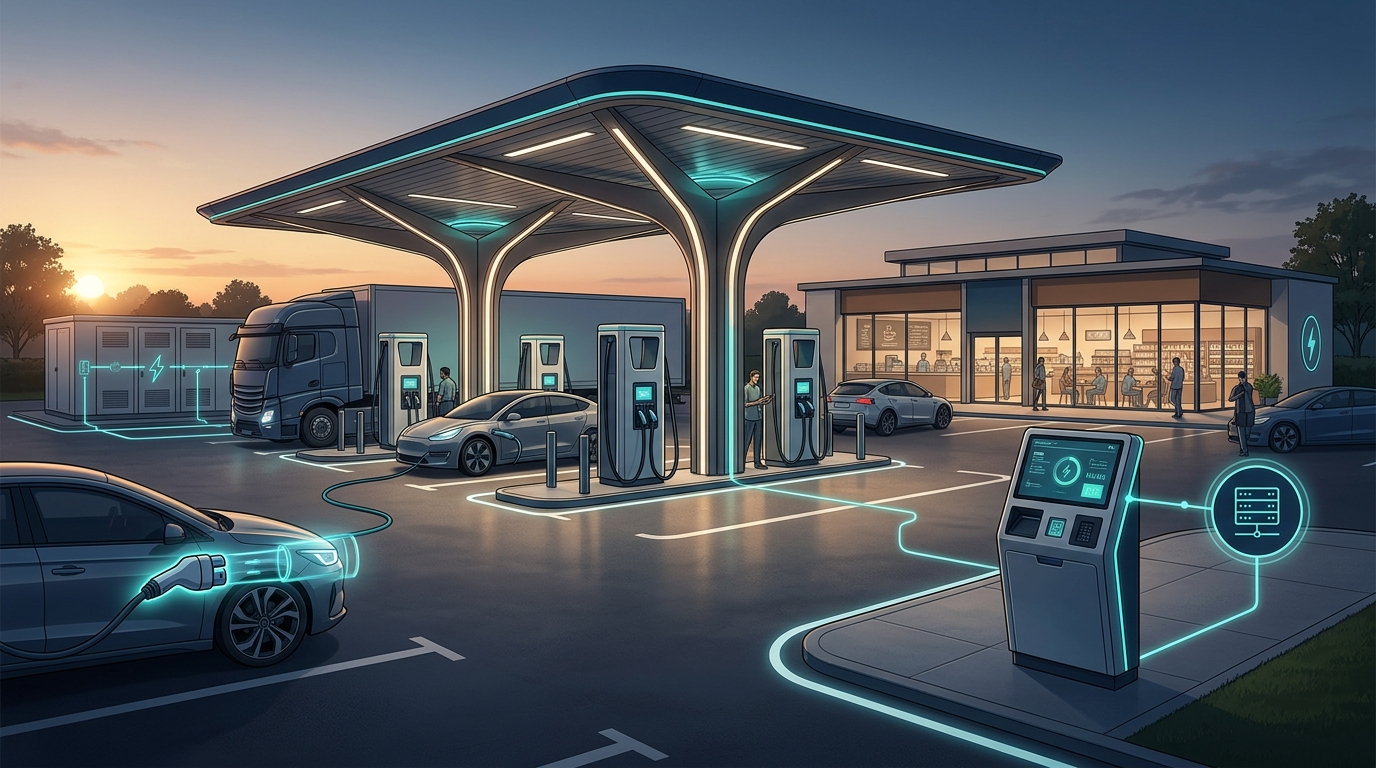
This briefing separates the charging-management connection, vehicle authorisation, retail checkout and payment settlement. It explains the questions an operator should resolve before commissioning a combined customer journey.
This episode considers arrival, charging, store access and support as a complete customer visit. It replaces the former unsupported basket comparisons and market forecasts with practical questions for an operating trial.
The briefing compares checkout formats and examines the customer exceptions that a trial must cover. It no longer presents unreferenced shrinkage or satisfaction figures as measured industry results.
This episode explains the difference between battery power and stored energy, why repeated charging demand matters, and what must be established before promising outage operation.
 Audio briefing