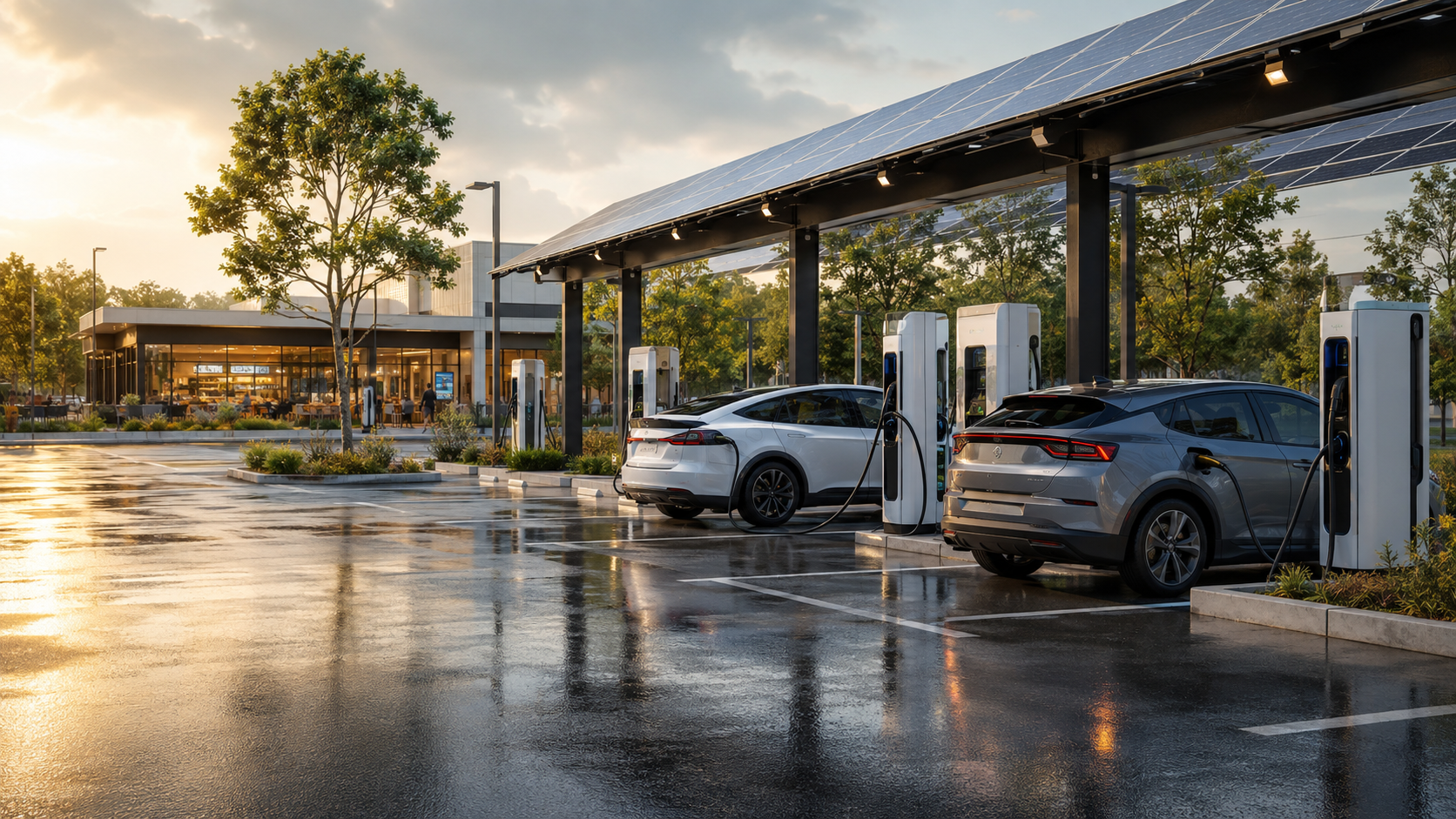
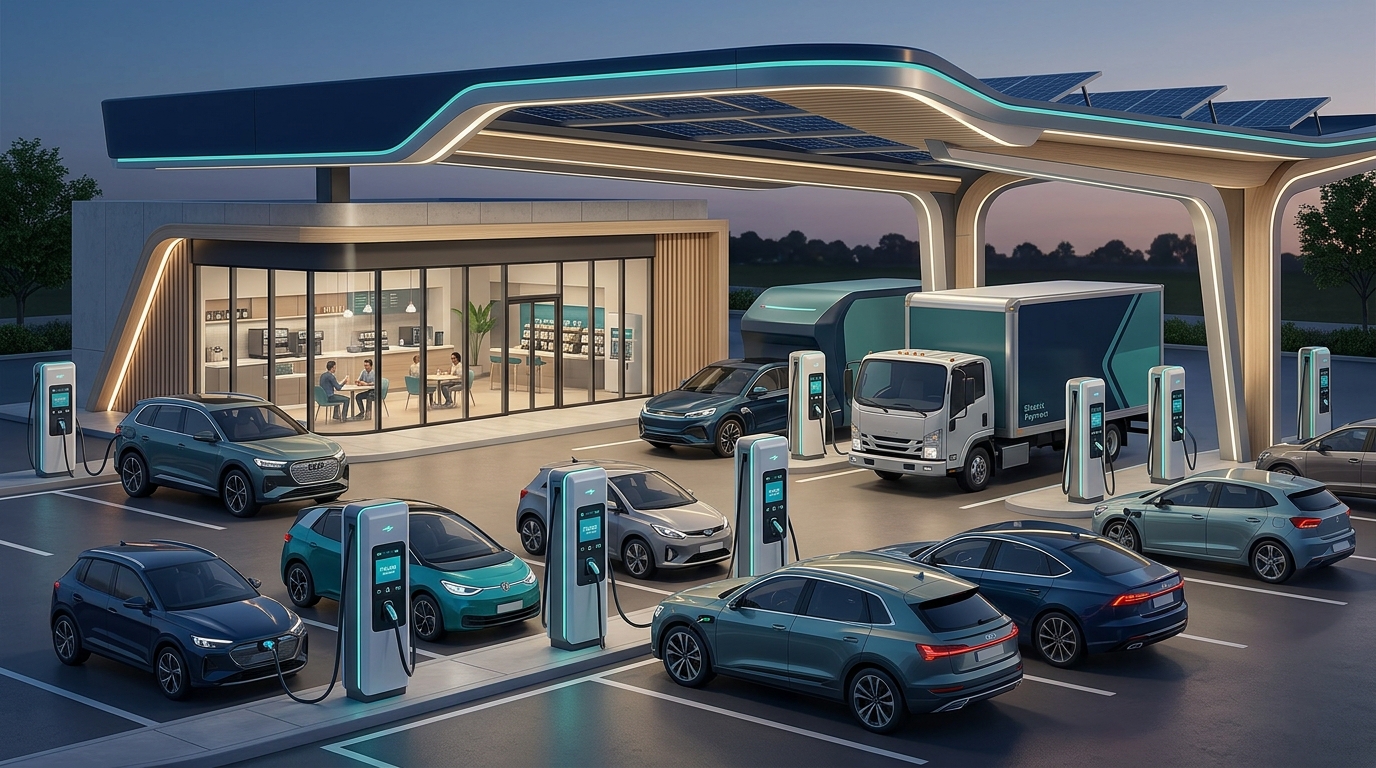
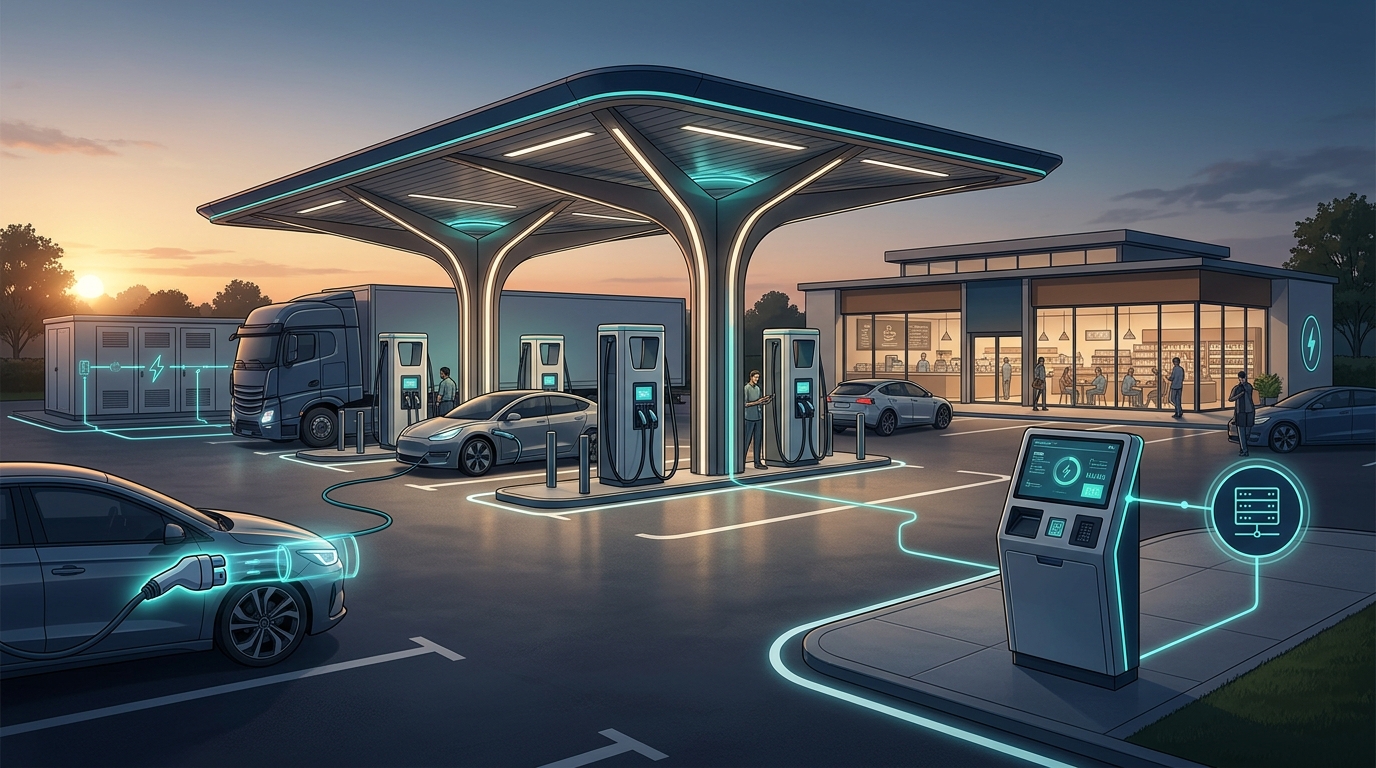
A charging investment connects power, parking, payment and the wider retail visit. Explore practical planning questions alongside reporting on charging networks and deployment.
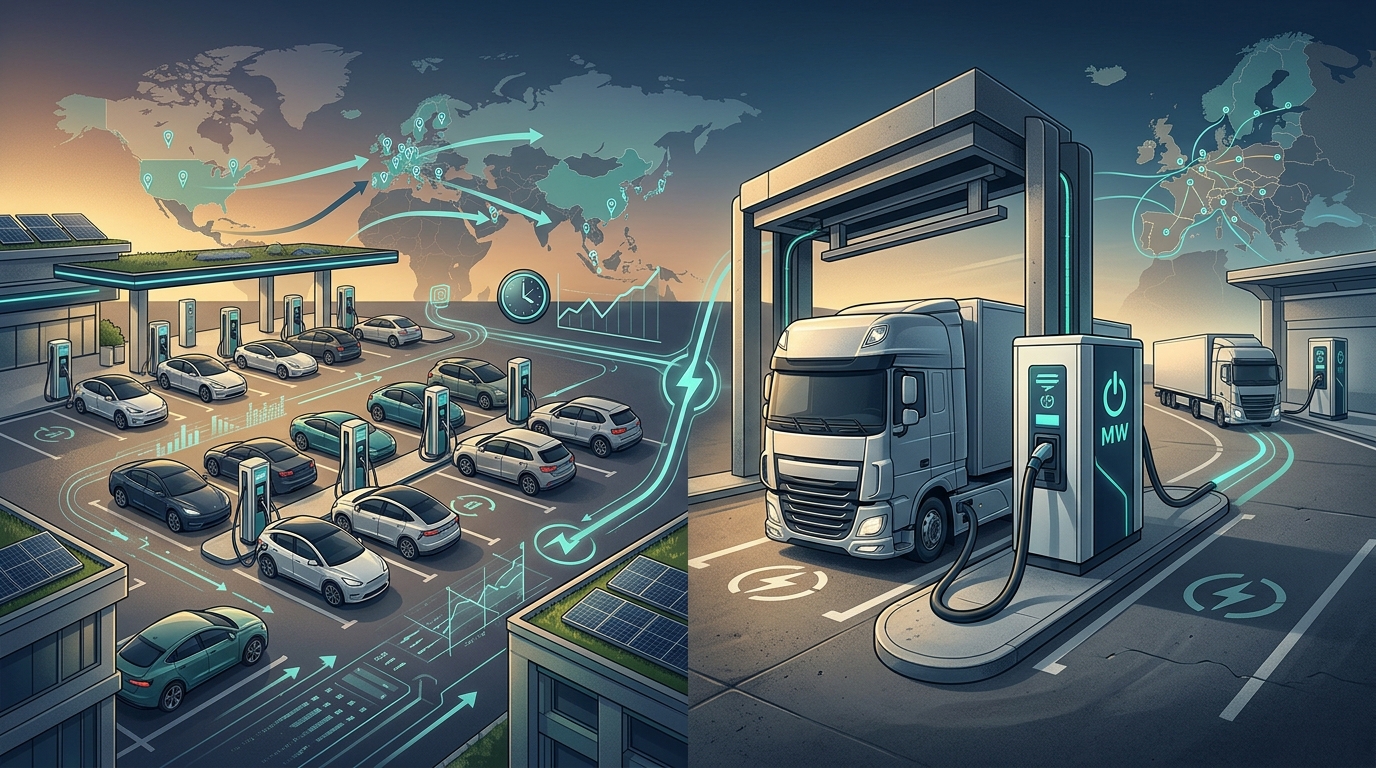
In 2025, global electric car output reached nearly 22 million vehicles while electric truck manufacturing doubled to 440,000 units. Meanwhile, The ai Corporation and Visa partnered in September 2026 to roll out Visa Fleet 2.0 across Europe.
This analysis covers global light-duty vehicle charging trends from the IEA's 2026 report alongside heavy-duty Megawatt Charging System initiatives in Europe. It highlights global public charger expansion, regional capacity metrics, building code regulations, subsidy expiration dates, and hardware developments for commercial freight.
An analysis of heavy-duty fleet charging rollout in logistics networks alongside broad global EV battery market trends, price shifts, and commercial depot utilization strategies.
Fuel retailer associations NACS, NATSO, and SIGMA are supporting CRA resolutions against California EV mandates, while IEA projections show global EV fleet electricity demand surpassing 1,500 TWh by 2035. This report analyzes regulatory shifts and operational strategies for forecourt owners.
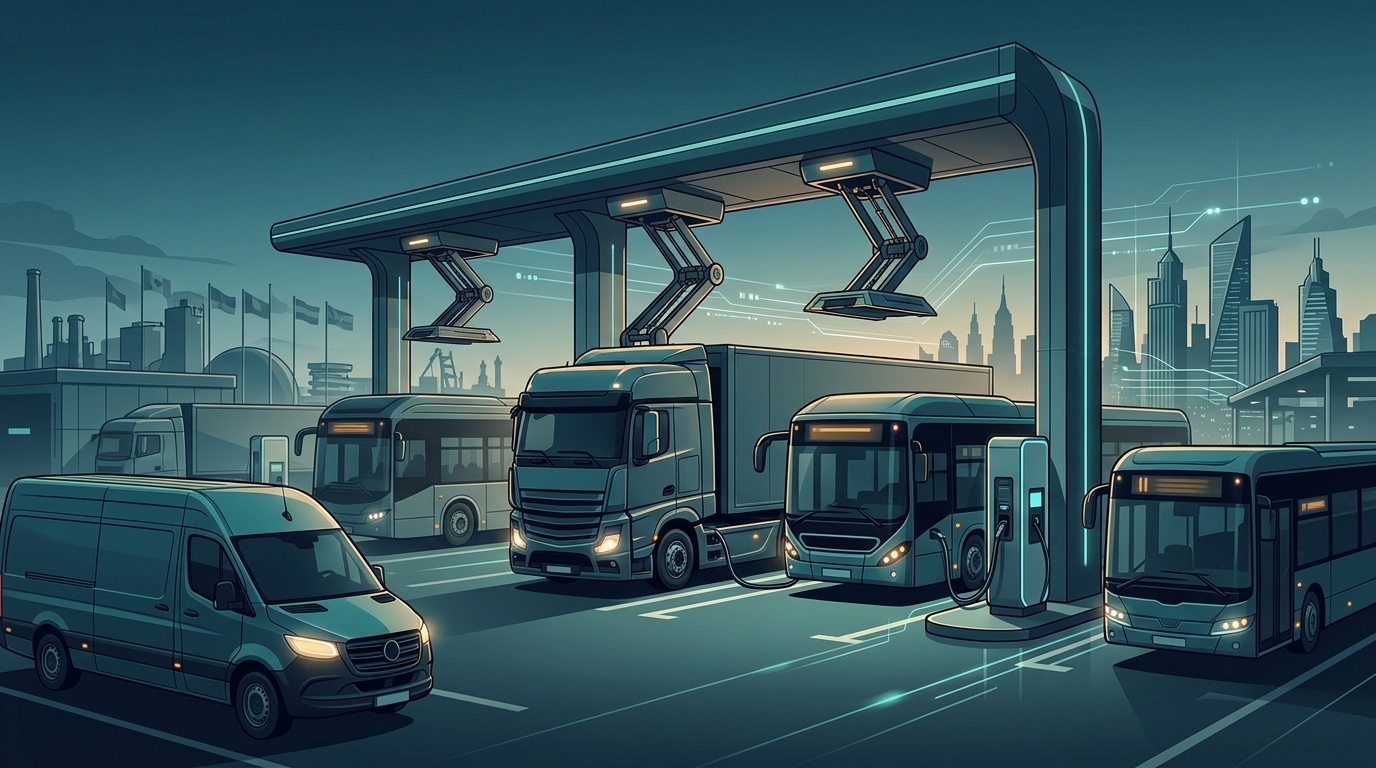
An independent analyst report examining global electric truck and bus adoption in 2025 based on IEA data, highlighting geographic trends, supplier range claims, regulatory developments, and forecourt charging hypotheses.
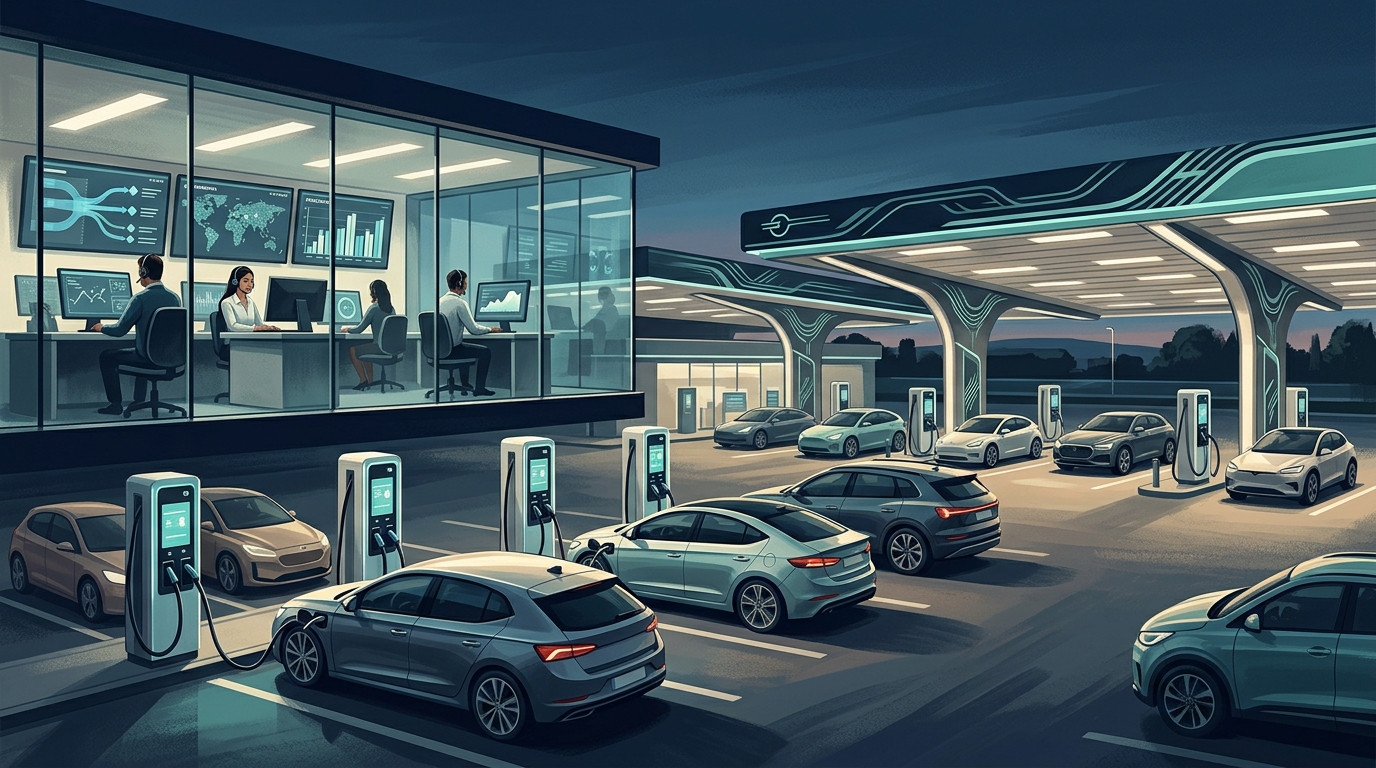
Global electric vehicle sales surpassed 20 million units in 2025, capturing 25% of the overall new car market. While regional performance diverged sharply due to policy shifts in North America and Europe, operators of fast-charging infrastructure are deploying AI telephone assistants to manage expanding customer support requirements.
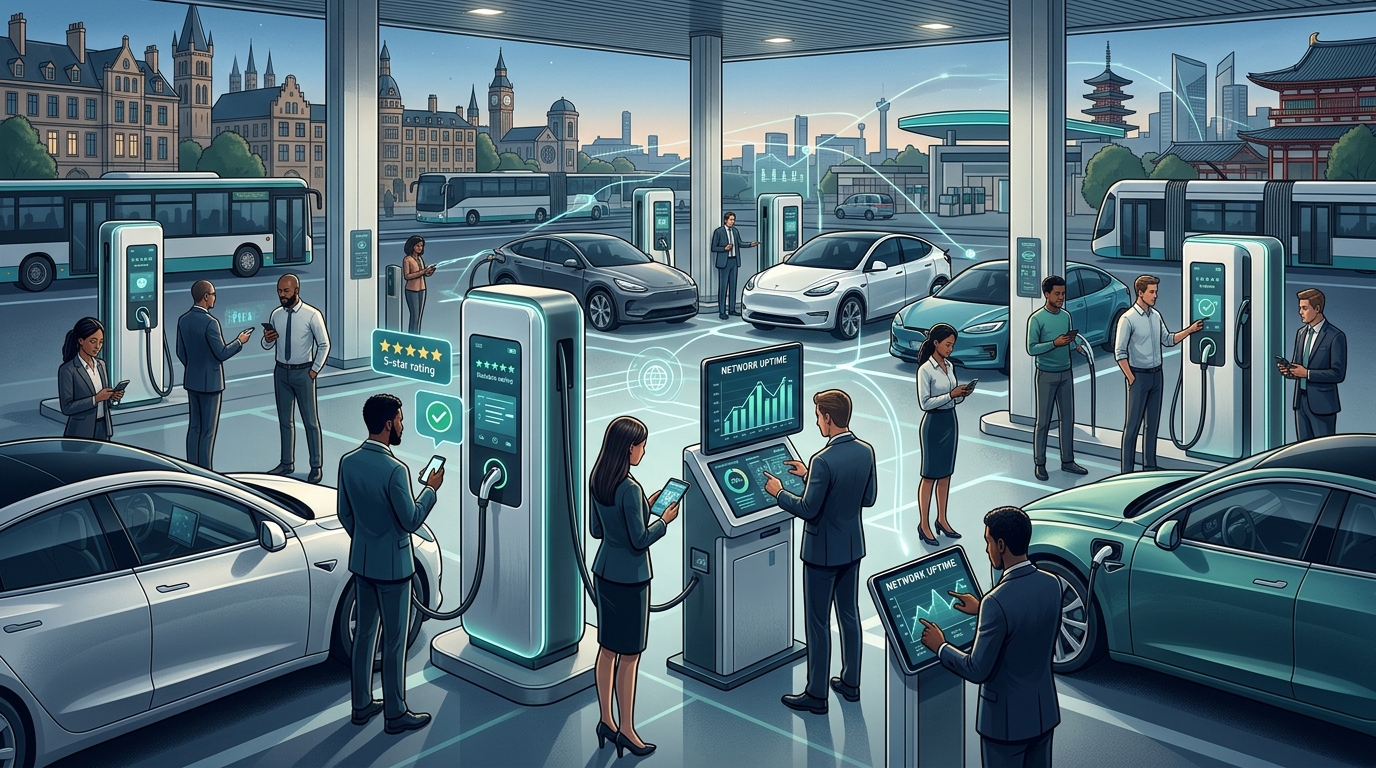
Global EV sales exceeded 20 million in 2025, driven by strong growth in Europe and high Chinese export volumes. For forecourt operators, shifting consumer behavior reveals that network reliability and peer recommendations now heavily influence station utilization, with 59% of charge point operators prioritizing utilization over expansion.
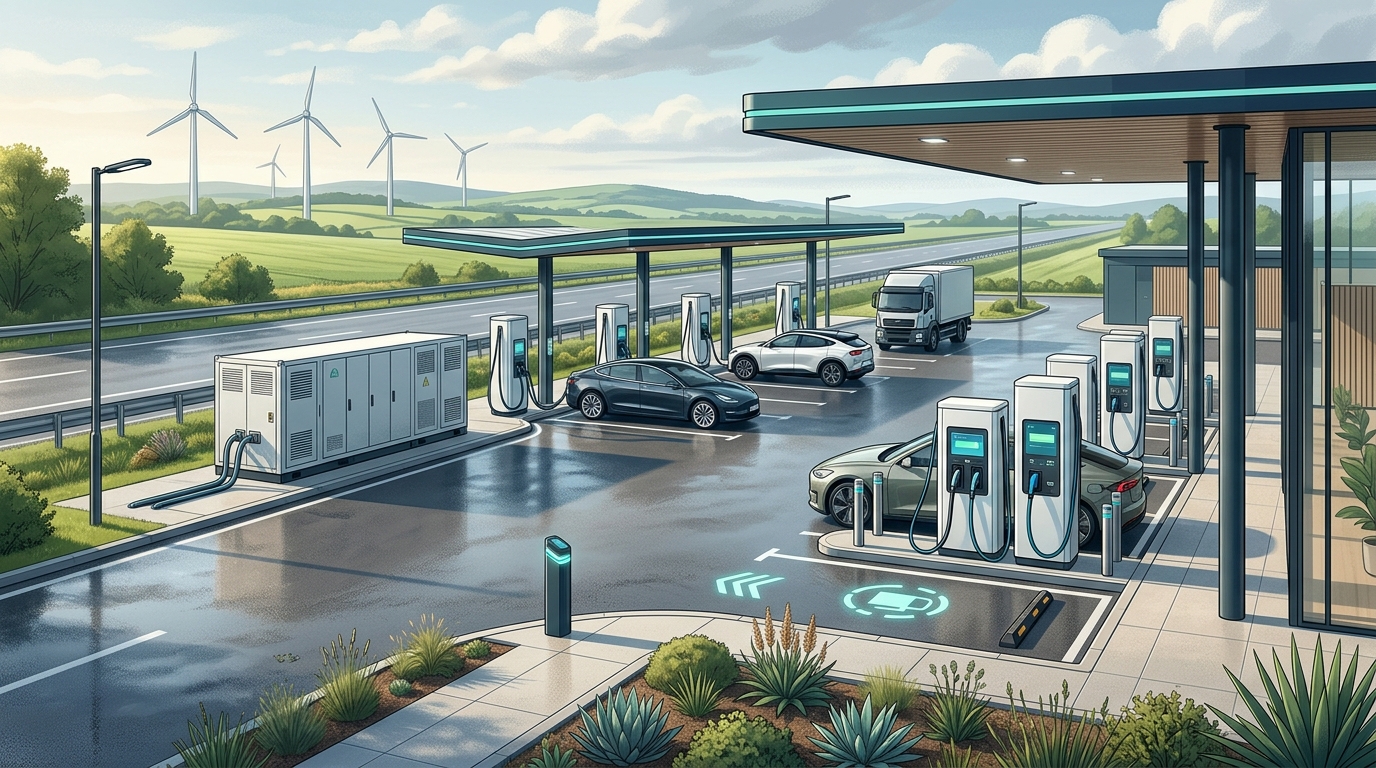
Enefit and Olerex are expanding their Estonian EV charging network by adding 57 chargers with maximum power ratings up to 300 kW across 15 counties, featuring card payment terminals, mobile app integration, and a battery-buffered ultra-fast charger on the Tallinn-Tartu motorway.
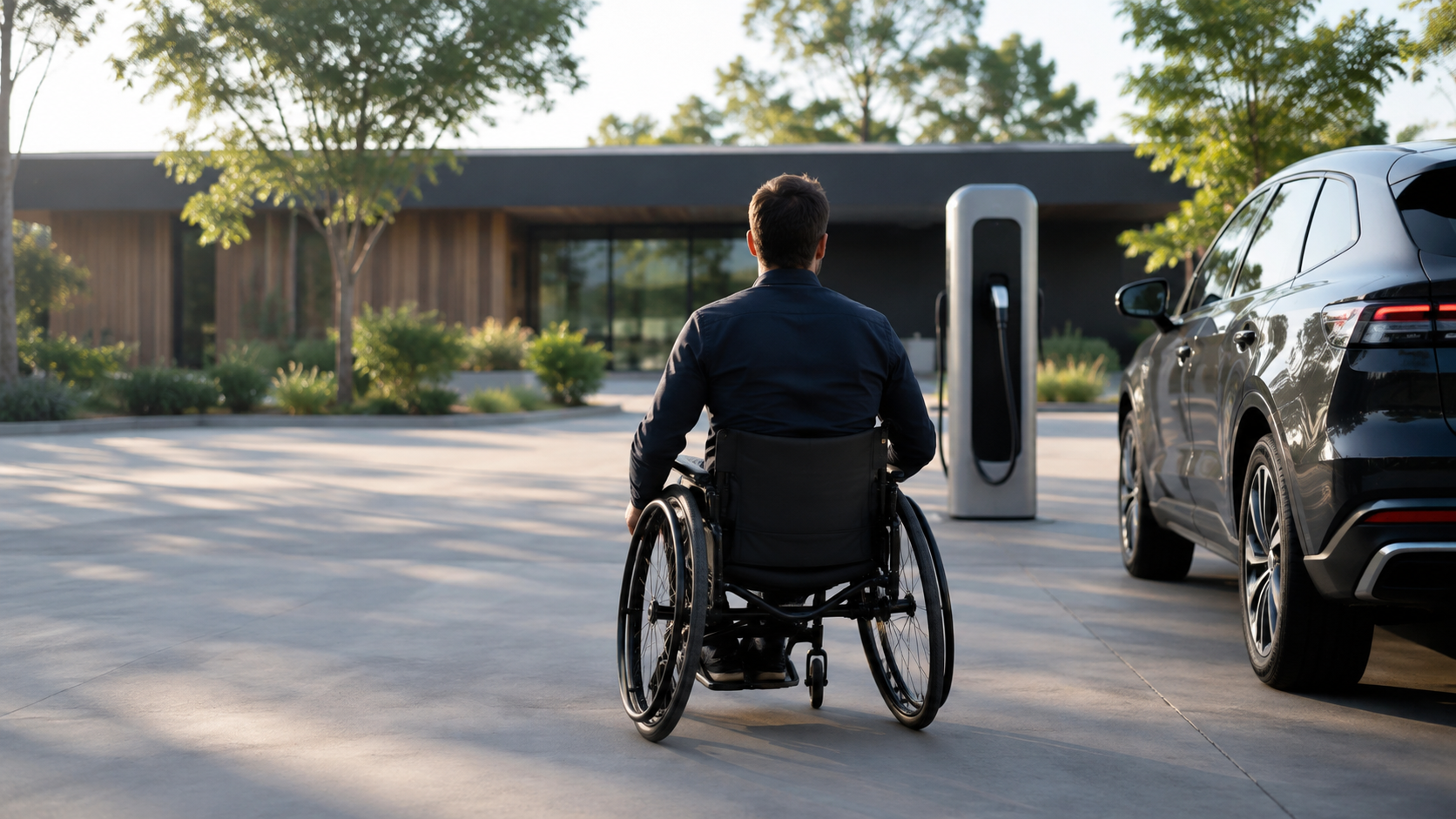
An accessible charging visit includes the bay, cable, controls, payment and route to amenities. Design guidance and enforceable obligations must be distinguished.
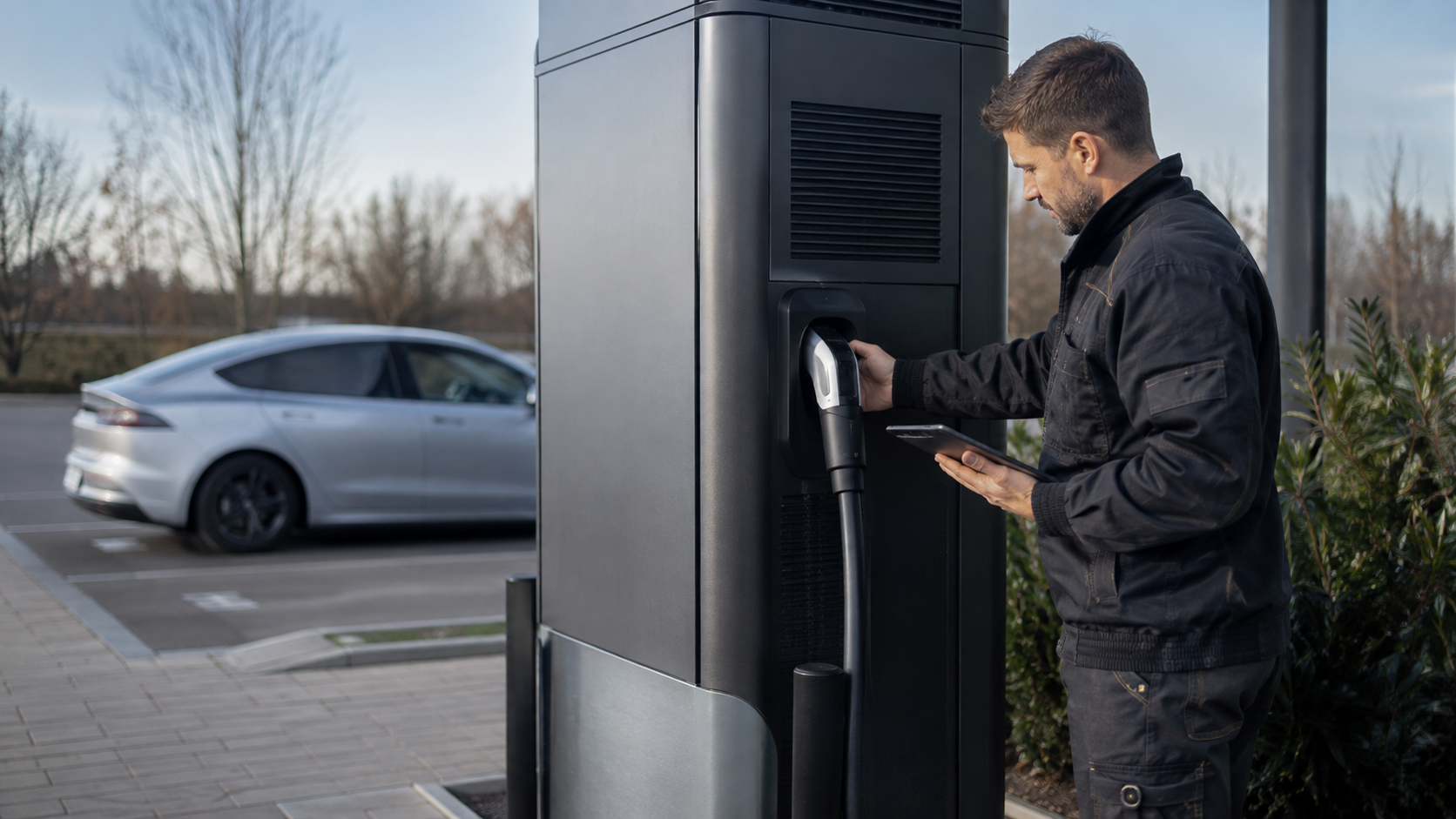
The US federal charging rule measures uptime per port within a defined funding scope. Operators also need evidence of what happens when a driver tries to charge.
The US federal charging rule measures uptime per port within a defined funding scope. Operators also need evidence of what happens when a driver tries to charge. An accessible charging visit includes the bay, cable, controls, payment and route to amenities. Design guidance and enforceable obligations must be distinguished.
EV charging can create an opportunity for a store visit, but charging time is not a guaranteed retail sale. A driver may stay in the vehicle, arrive after the kitchen closes or choose a competing outlet. Forecourt investment decisions should measure that connection instead of assuming a fixed basket multiplier.
A megawatt-charging proposal starts with the fleet: which vehicles will arrive, how much energy they need, and how long they can remain at the site. A connector’s maximum rating does not answer those questions.
A battery can supply a short burst of power above a site’s grid import limit. It cannot create the energy needed to sustain repeated charging sessions. That distinction should be explicit in any proposal to open a truck-charging site before a larger connection is available.
This briefing separates the charging-management connection, vehicle authorisation, retail checkout and payment settlement. It explains the questions an operator should resolve before commissioning a combined customer journey.
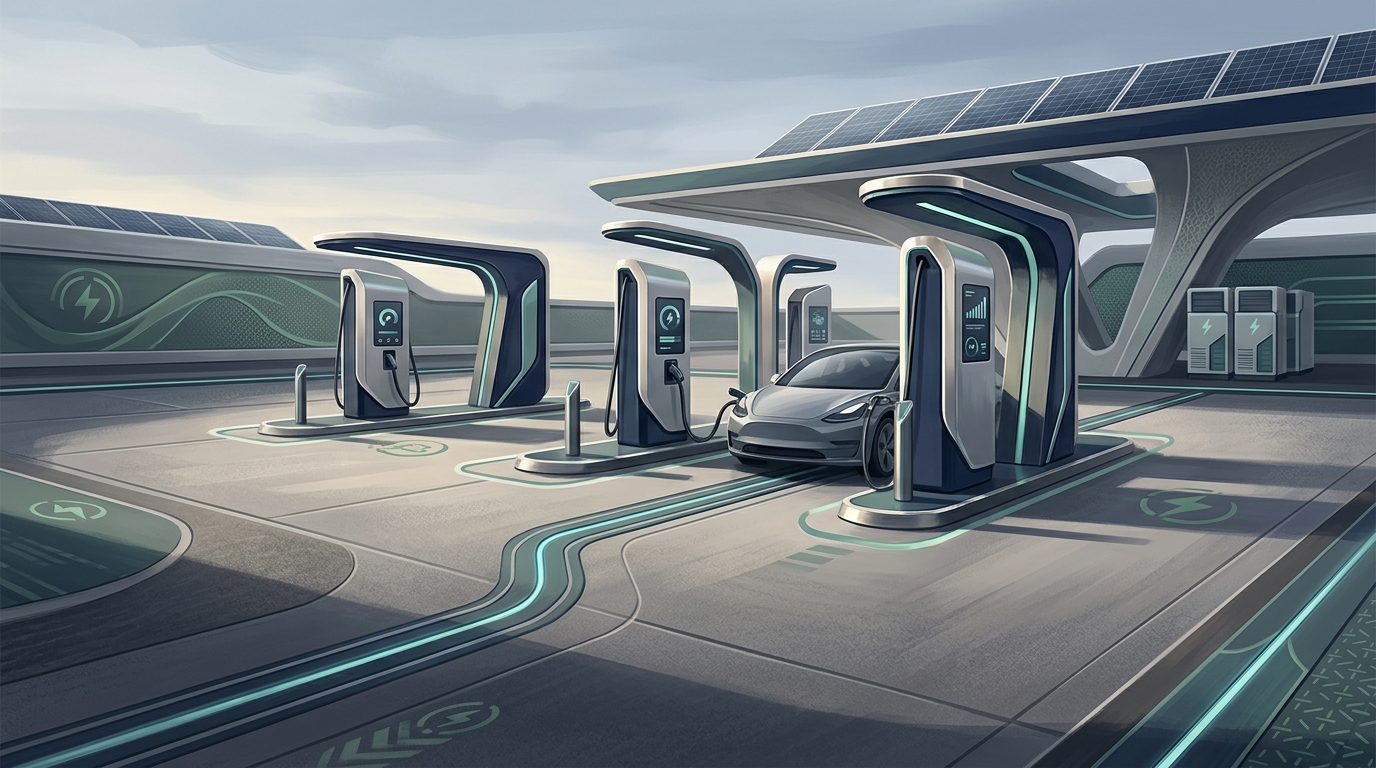
A high-power charging hub has to deliver an understandable, dependable visit. Maximum charger output is one part of that offer; access, payment, assistance and the route to the store also matter.
This episode considers arrival, charging, store access and support as a complete customer visit. It replaces the former unsupported basket comparisons and market forecasts with practical questions for an operating trial.
This episode explains the difference between battery power and stored energy, why repeated charging demand matters, and what must be established before promising outage operation.
 Analysis