From dependable checkout to safer shifts, convenience retail combines people, processes and connected systems. Explore the operating decisions behind the headlines.
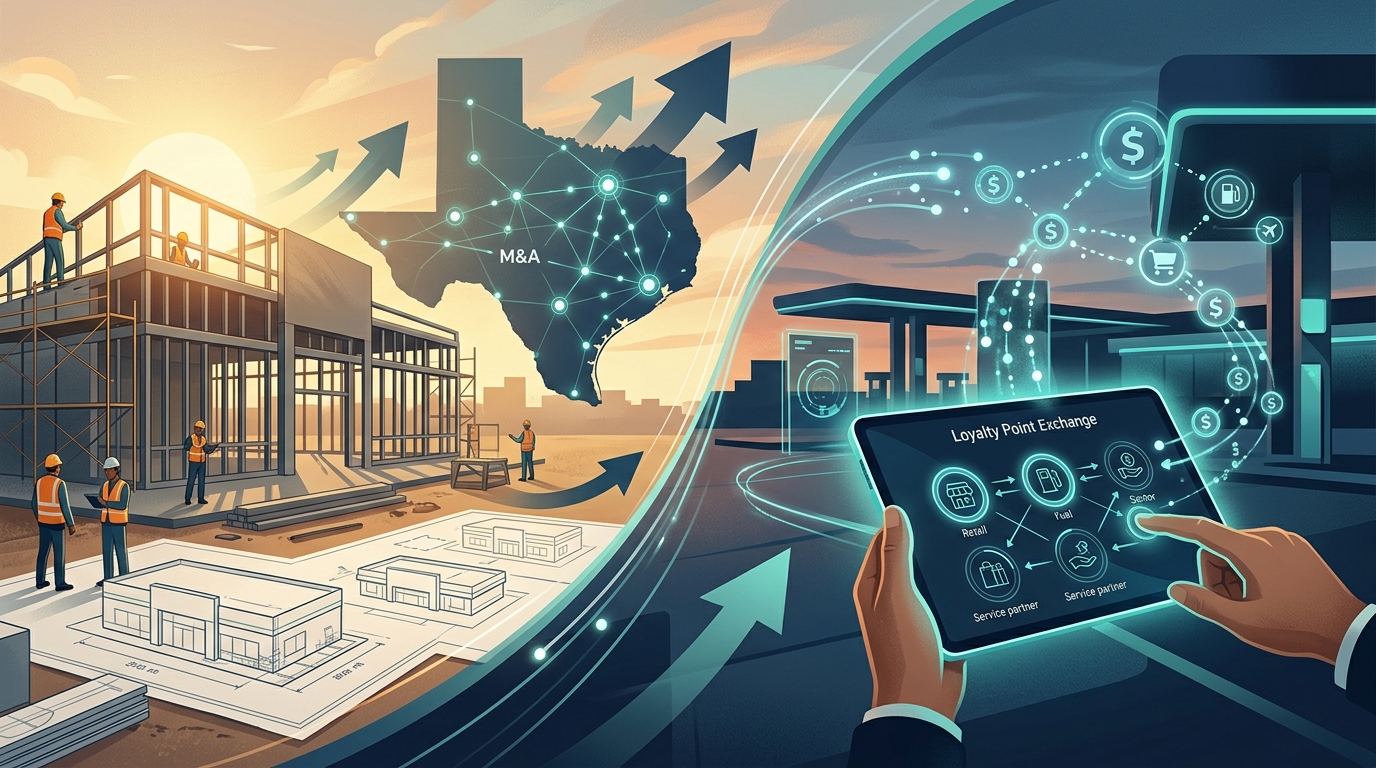
Texas Born (TXB) outlines a 5-year strategy to double its store footprint to over 100 locations via new builds and M&A, while ENOC Group and Landmark Group establish a cross-sector loyalty point exchange program in the UAE.
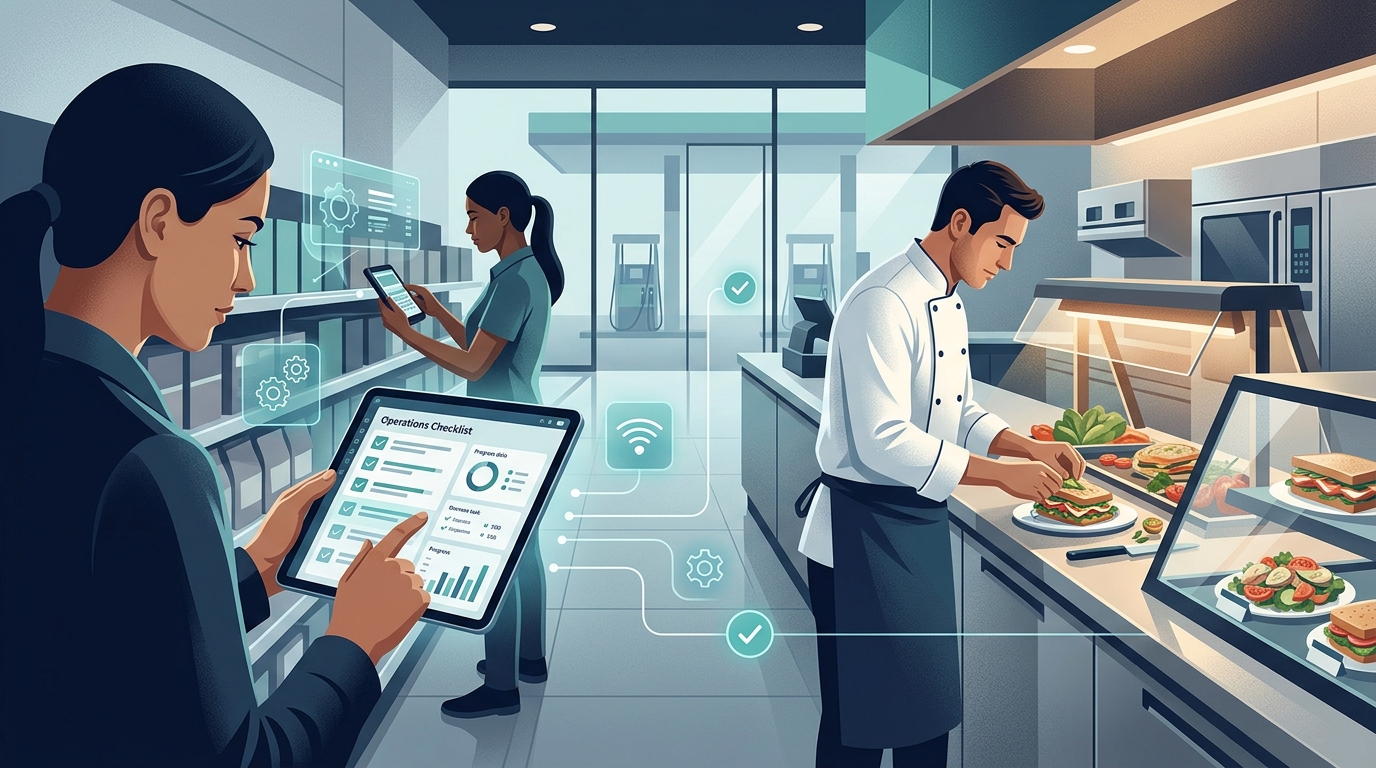
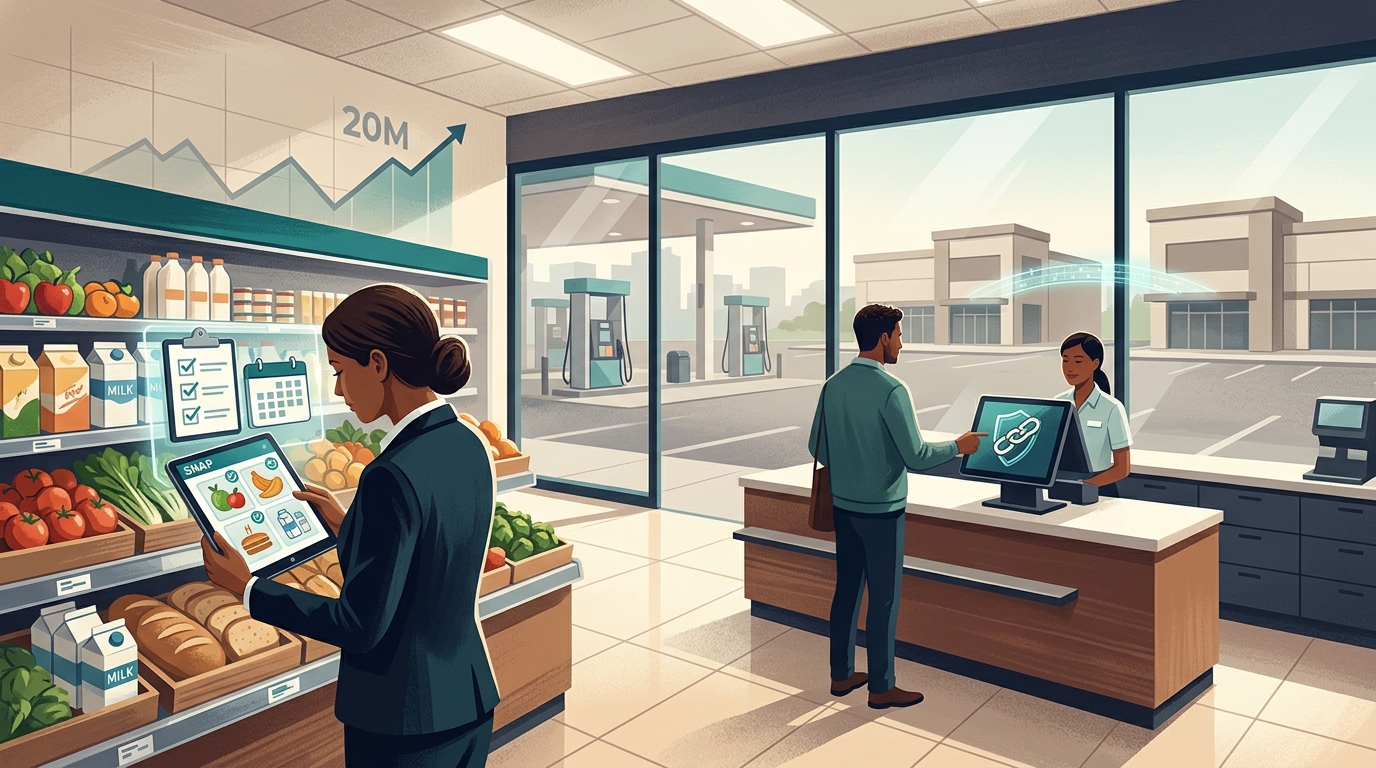
Recent developments in convenience store management highlight two strategic approaches: implementing integrated digital checklists for store operations and recruiting professional chefs to elevate prepared food programs. This analysis reviews workflow automation sessions by NACS and TransAct alongside operational data on chef hires from regional operators like Rutter's, Weigel's, Leo's, and Sprint Mart.
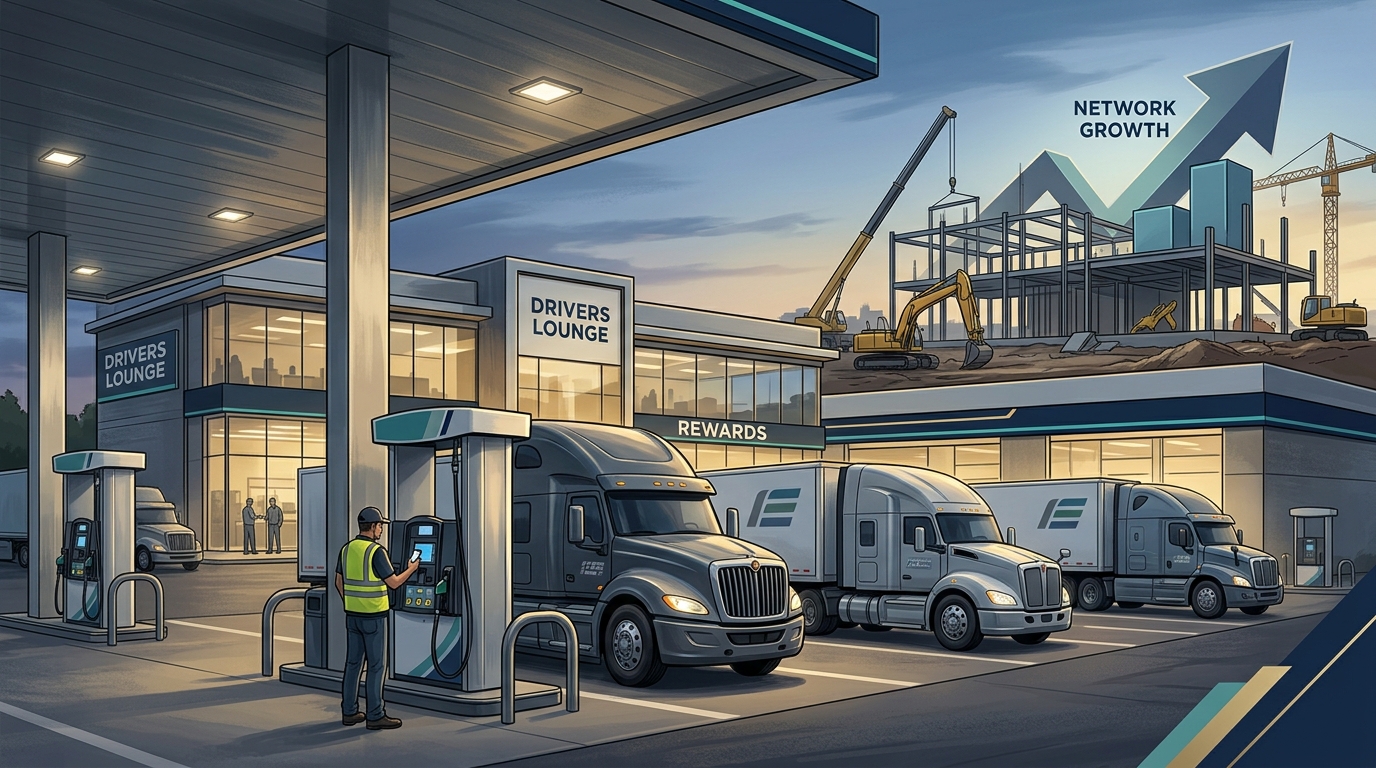
Major travel center chains are launching targeted driver appreciation promotions in September 2026 using CDL validation and mobile app rewards. Concurrently, regional operator TXB is restructuring leadership and planning to double its footprint to over 100 locations.
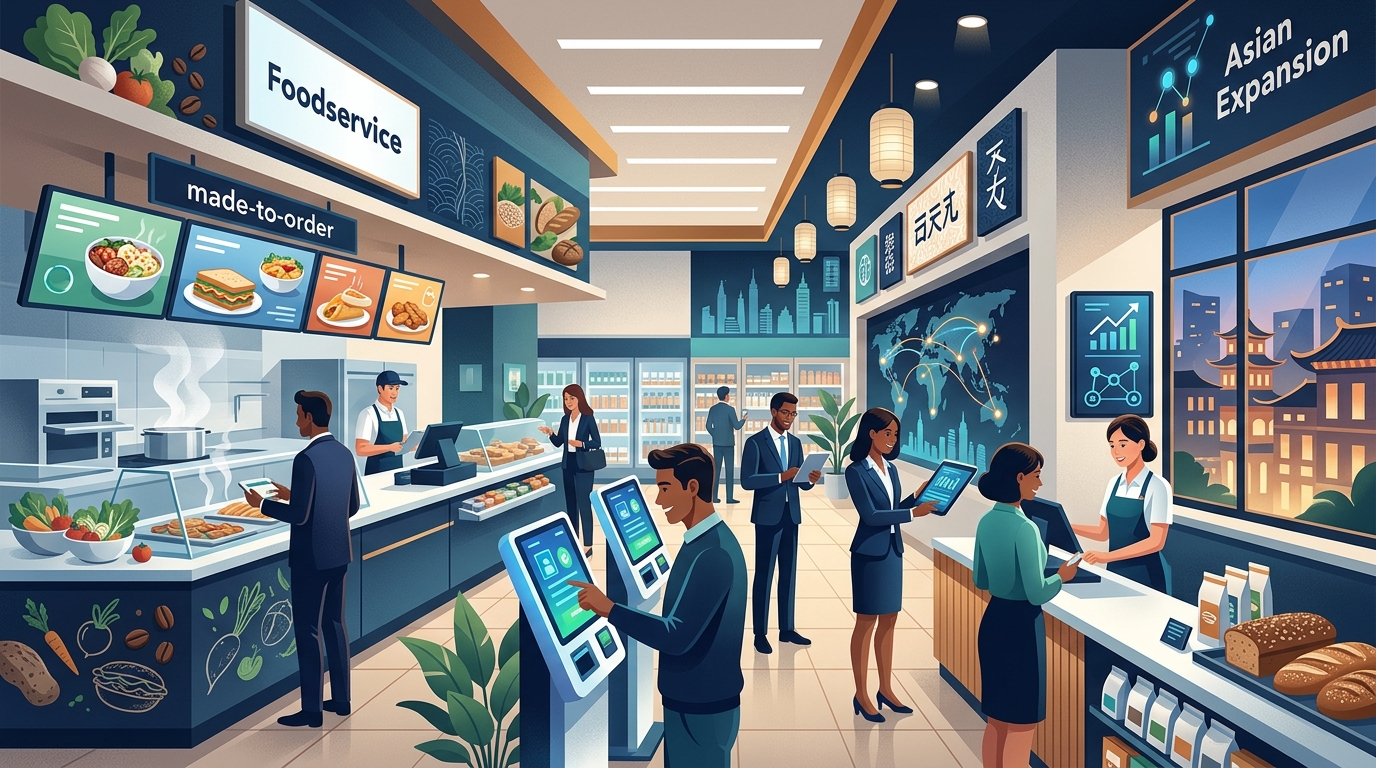
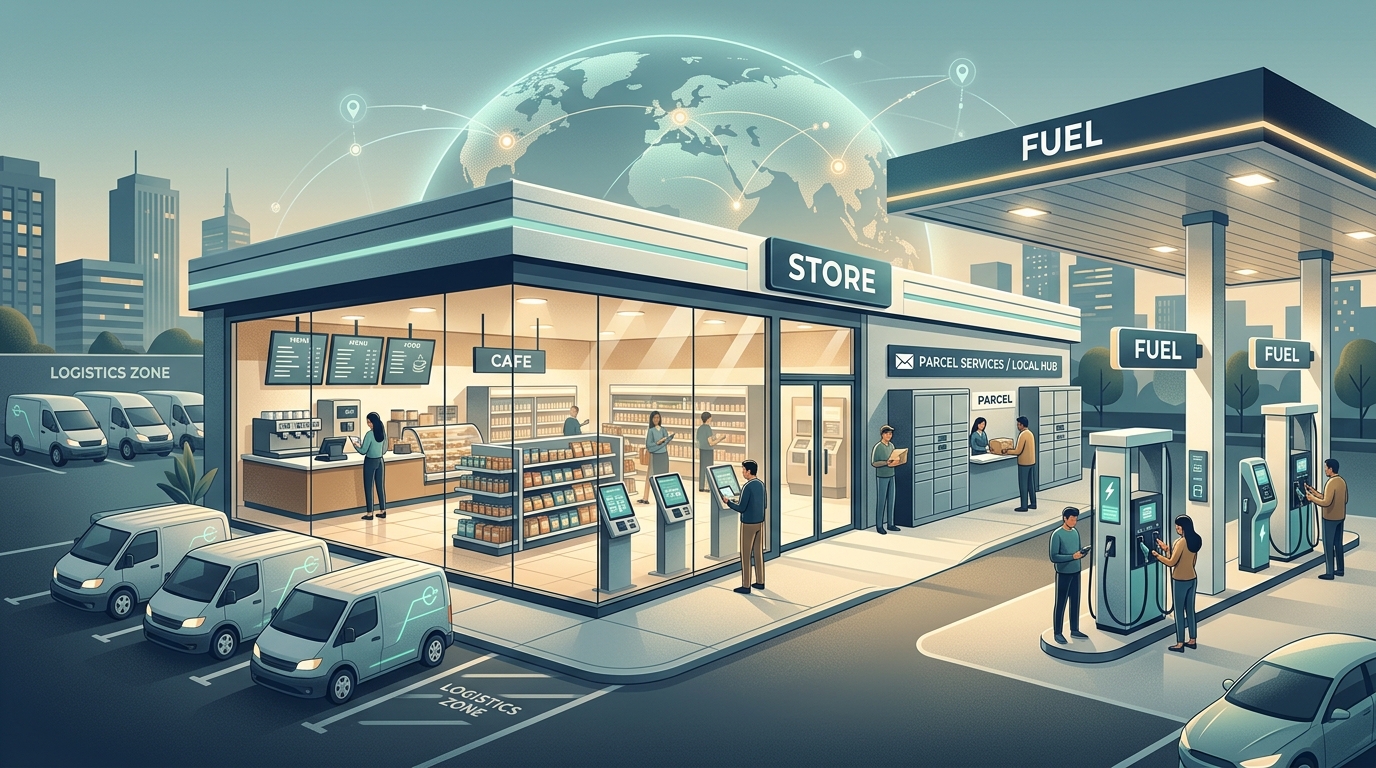
Convenience store operators are reshaping their business models through enhanced foodservice programs, QSR automation, and market expansion. North American chains are pivoting away from standard fixtures toward made-to-order menus and automated kiosks, while FamilyMart expands its retail network in Vietnam.
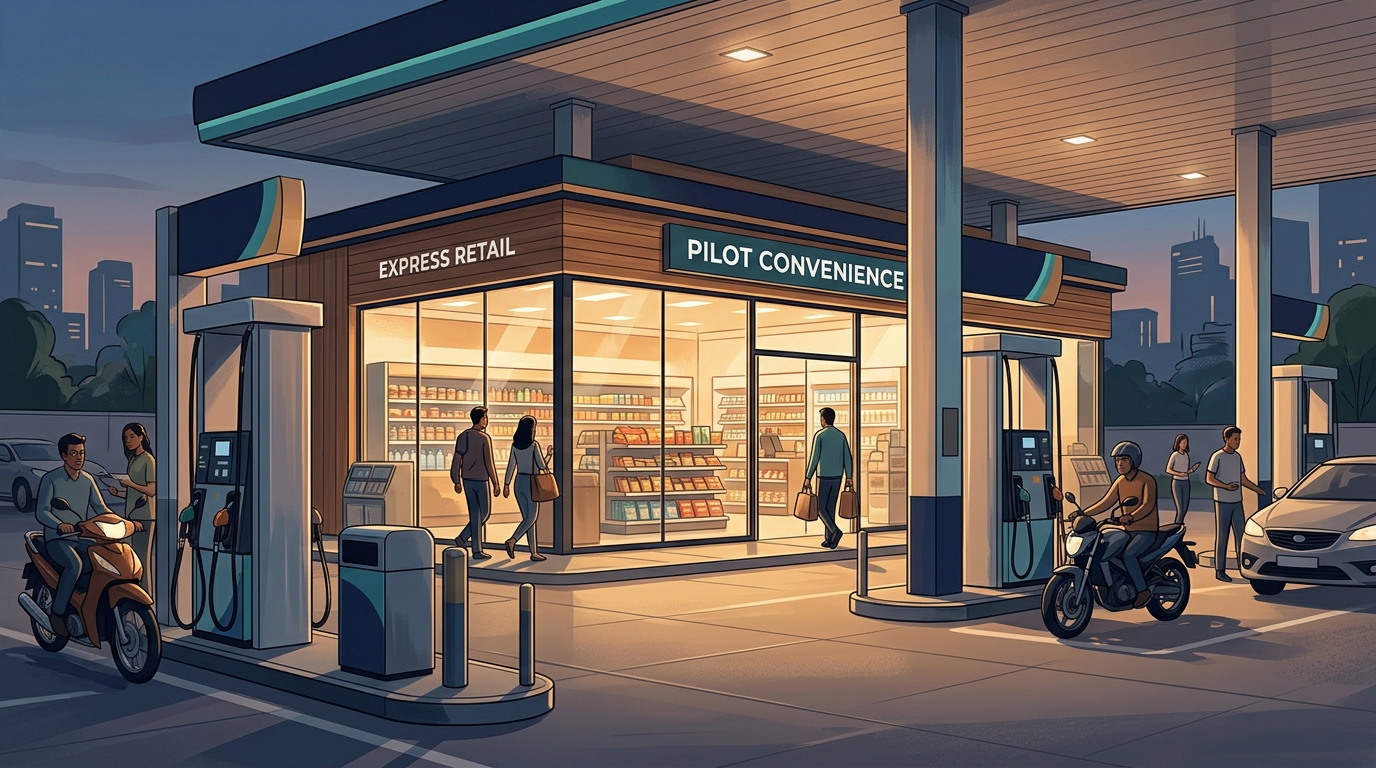
Petrolimex and Ohmee Vietnam have opened their first two Ohmee Express convenience stores at fuel stations in Hanoi as pilot sites to test retail offerings and operations before potential wider rollout.
Recent sector reports highlight a generally optimistic operational outlook among convenience retailers alongside strategies to simplify store operations and expand geographic footprints through organic openings and postal network integrations.
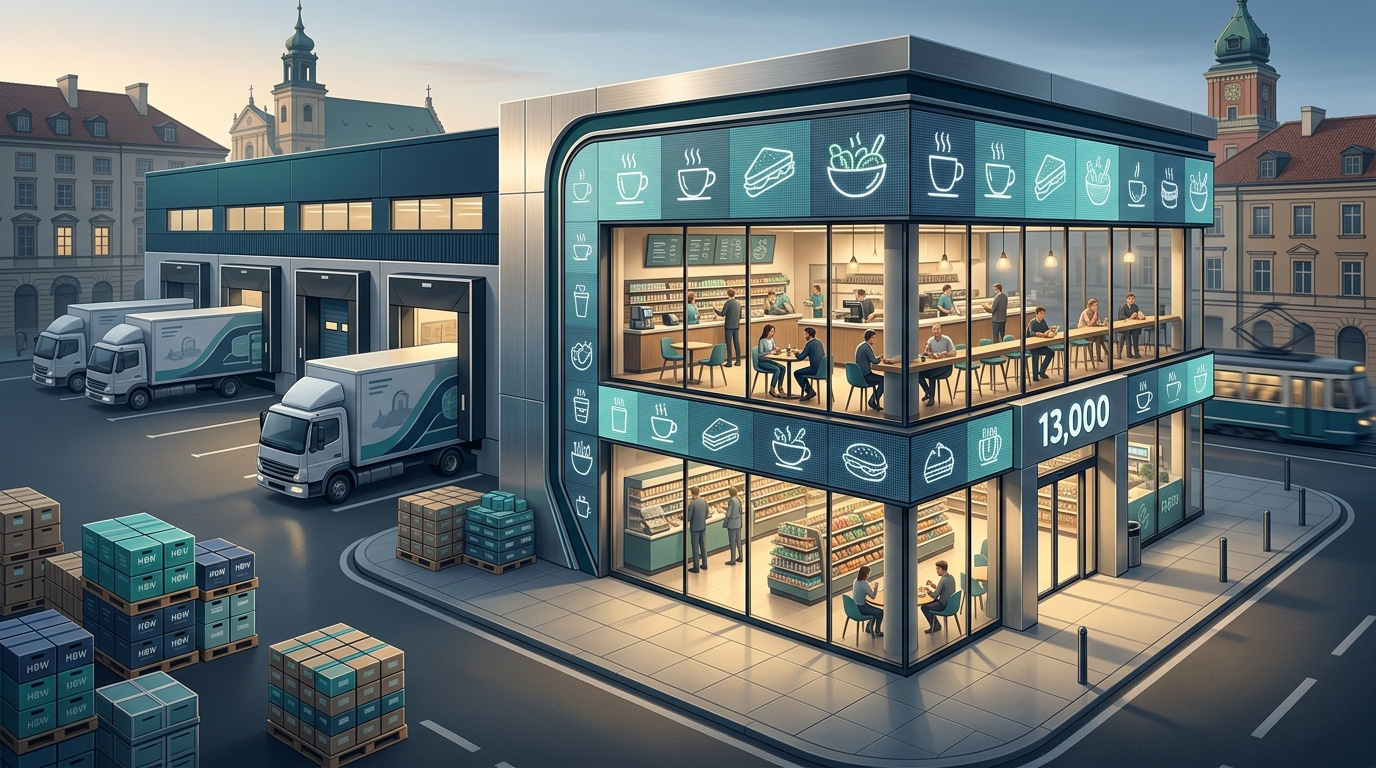
Lil’ Drug Store Products acquired Navajo's health, beauty, and wellness division effective Sept. 4, expanding its reach across convenience and drug channels. Concurrently, Polish retailer Żabka opened its landmark 13,000th store in central Warsaw, featuring a two-level design with expanded foodservice and transparent LED display technology.
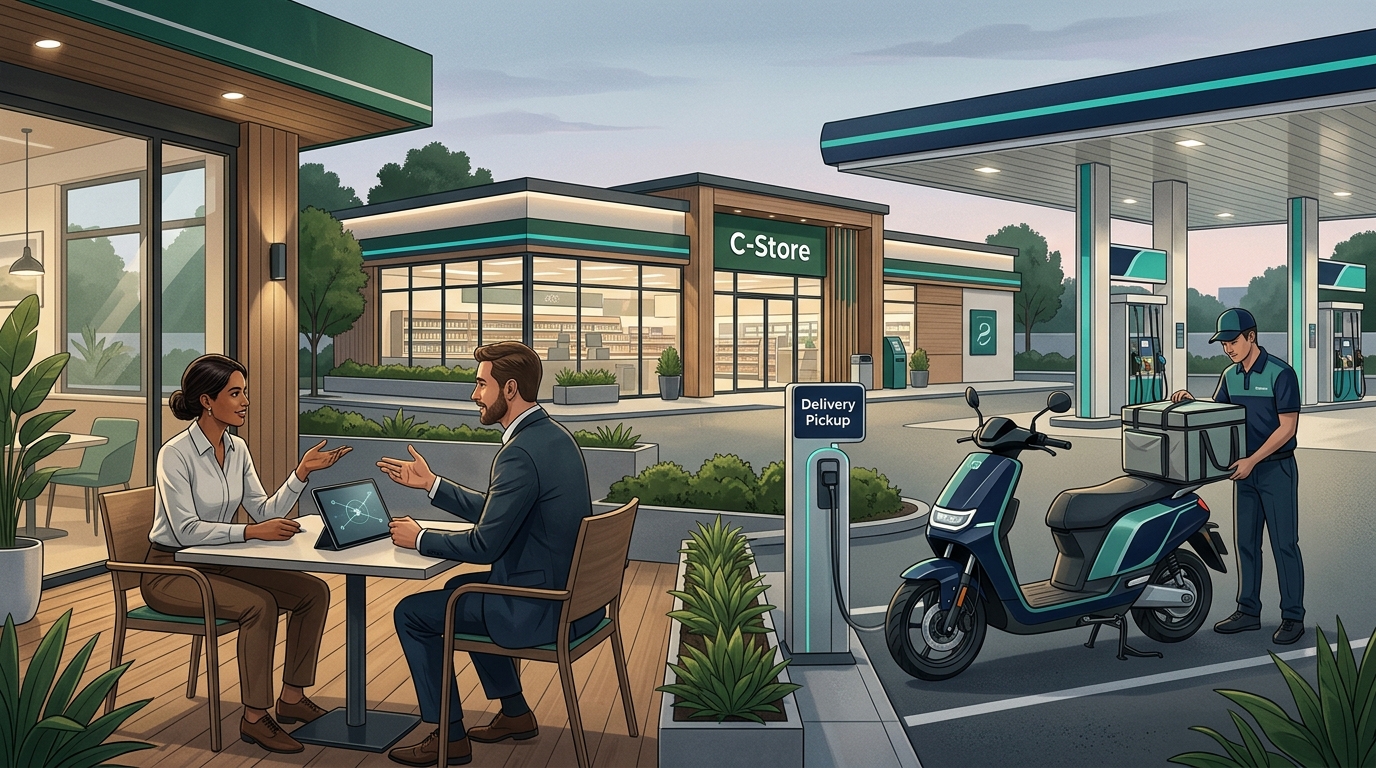
An analysis of recent convenience retail developments, covering forecourttech's sponsorship of the Warsaw Friends of Convenience Dinner and f'real's third-party delivery partnership with Lula Commerce.
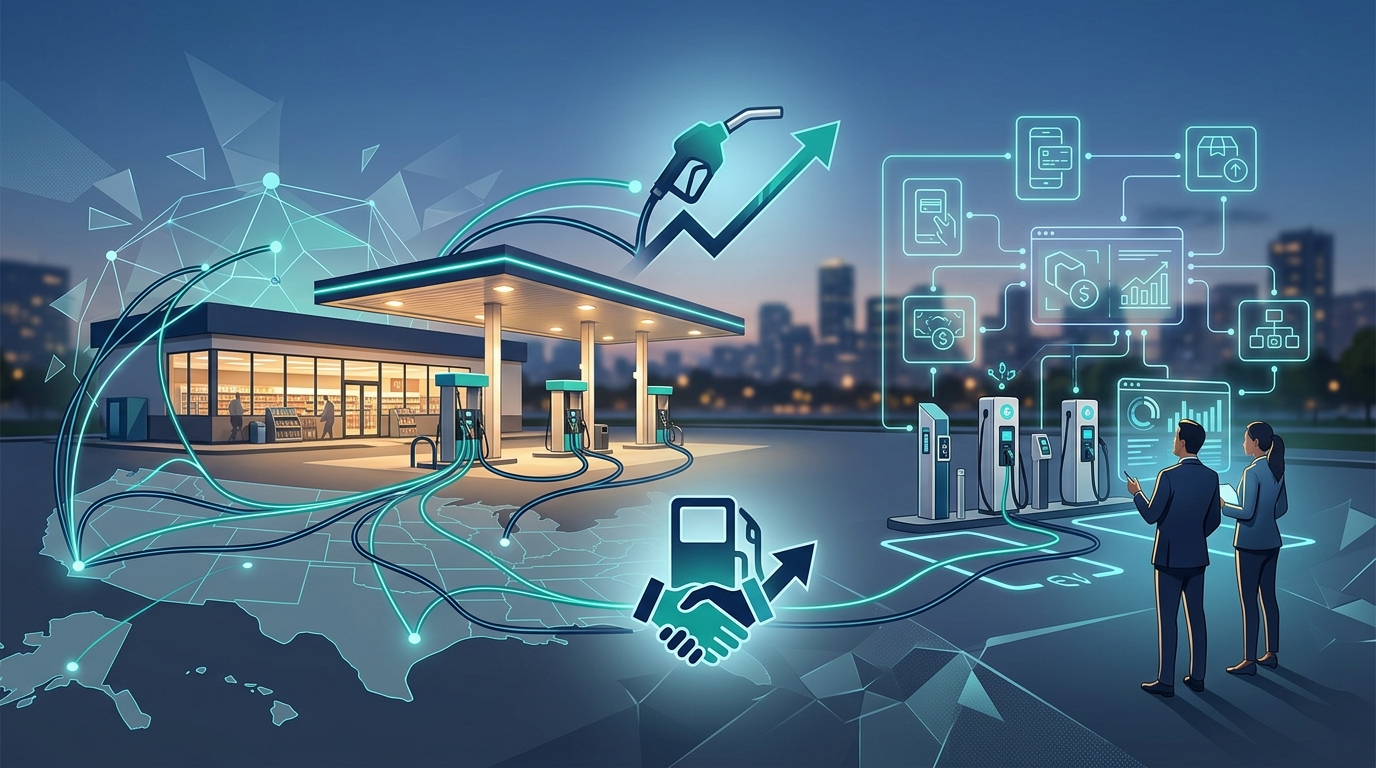
An analysis of Shell's acquisition of Tri Star Energy to double its U.S. company-operated retail footprint, alongside the strategic partnership between forecourttech and Global Convenience focused on technology benchmarking.
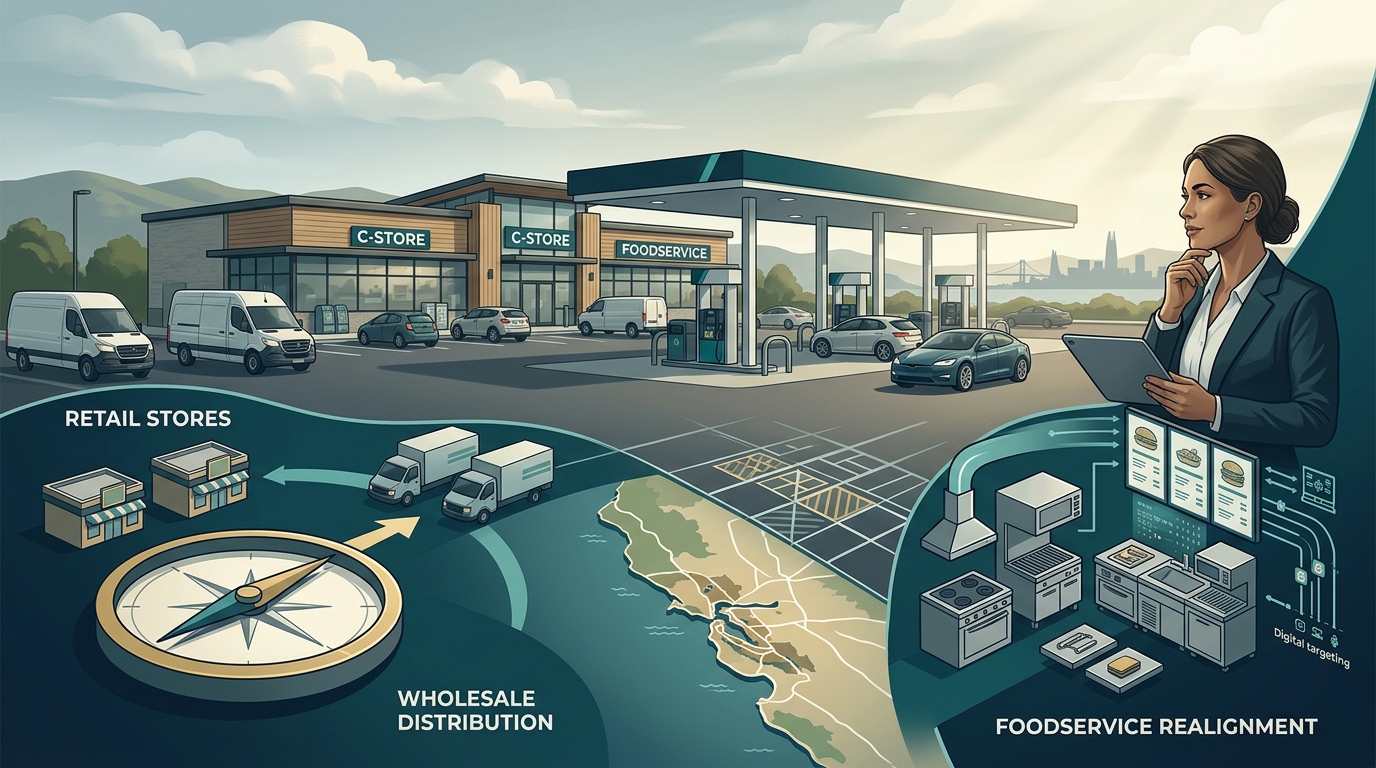
Independent convenience retail operators are divesting store networks to focus on wholesale distribution, while regional and national chains adjust foodservice equipment and digital targeting strategies amidst ongoing market pressures.
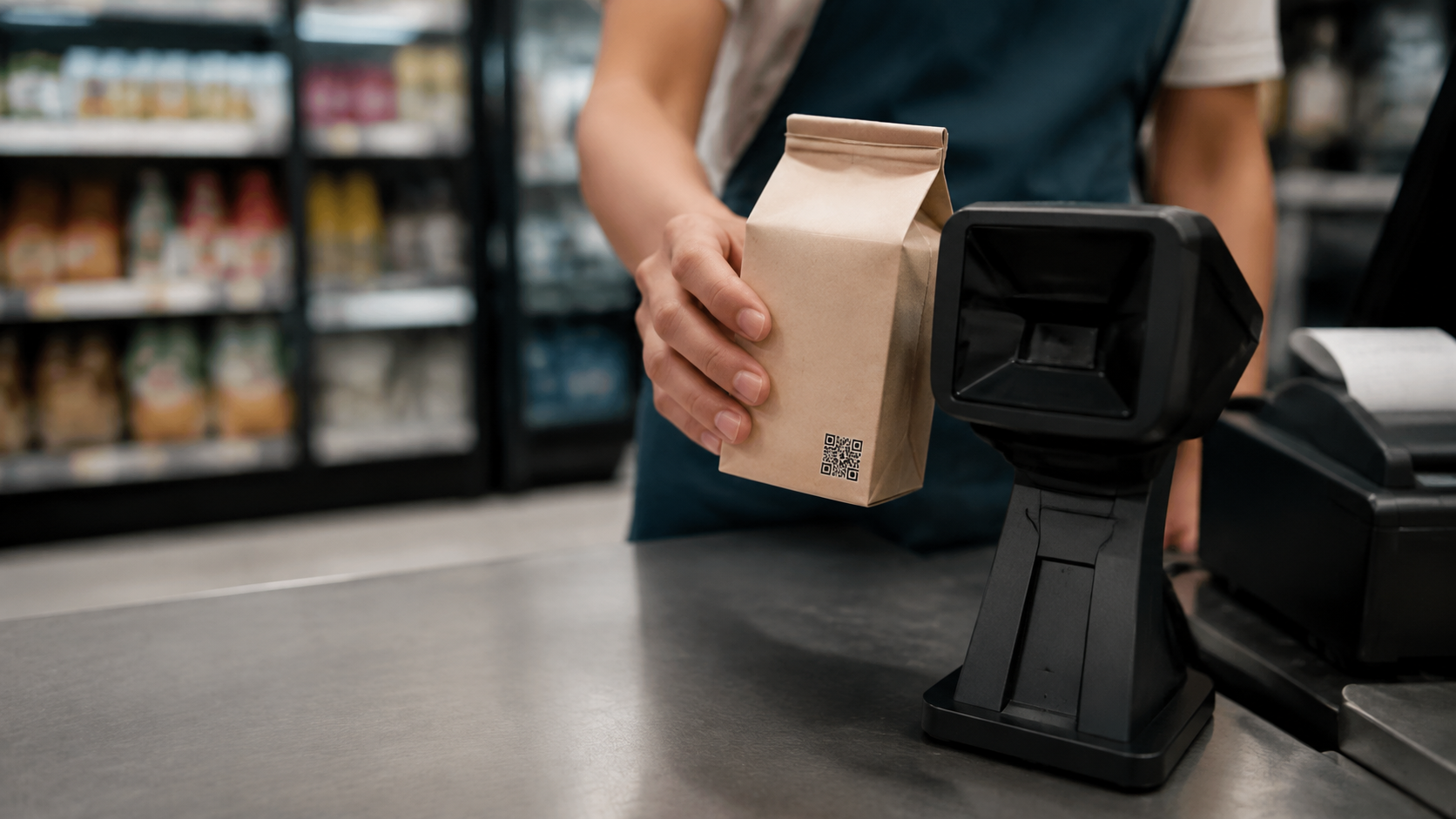
GS1’s retail transition is a practical integration project. A successful scan must become one correct transaction, with additional product data handled deliberately.
GS1’s retail transition is a practical integration project. A successful scan must become one correct transaction, with additional product data handled deliberately. NIOSH guidance puts visibility, cash controls, clear exits and staff training at the centre of violence prevention. Technology needs a workable response behind it.
NIOSH guidance puts visibility, cash controls, clear exits and staff training at the centre of violence prevention. Technology needs a workable response behind it.
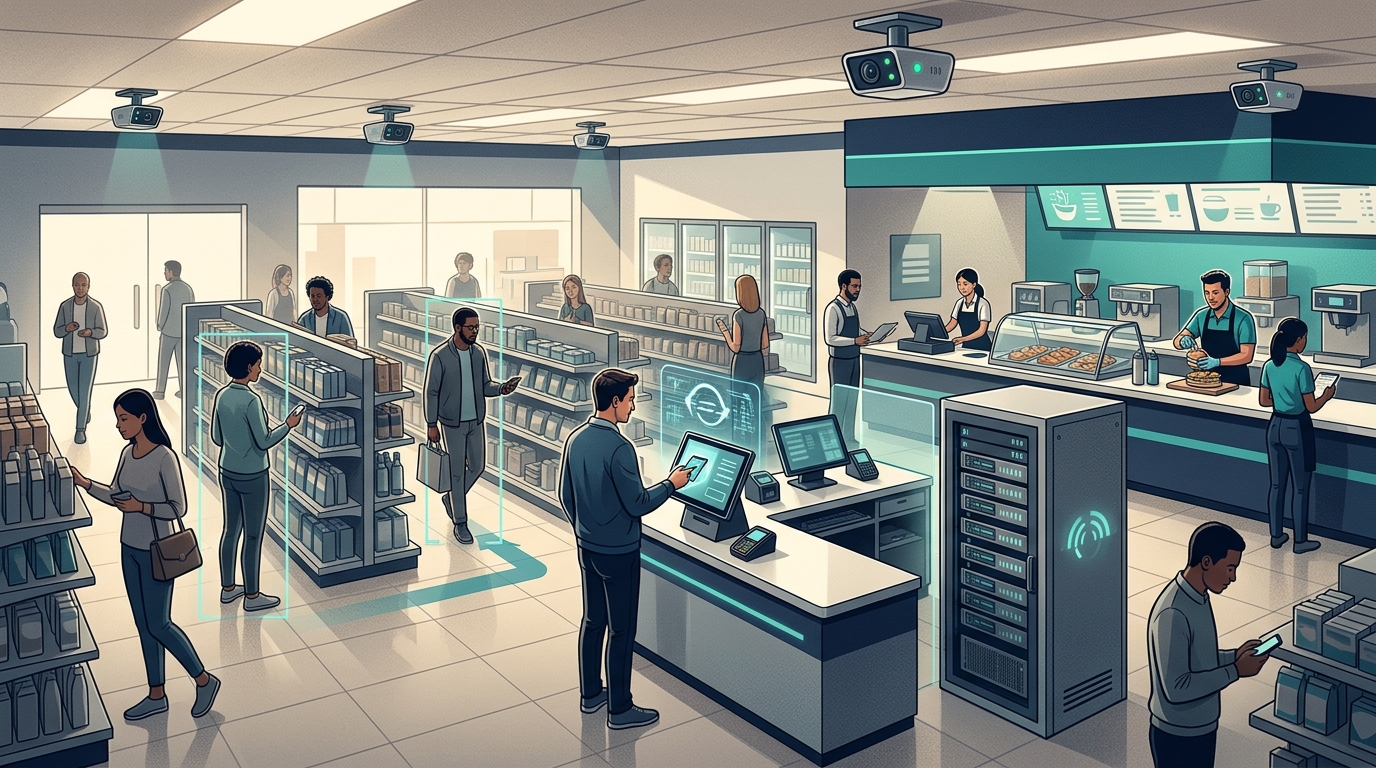
Computer vision, RFID checkout and scan-based self-checkout solve different problems. Treating them as one interchangeable technology makes it harder to choose a suitable store format or assess a supplier’s proposal.
An autonomous-store pilot should answer a specific operating question: can this format serve the intended customers accurately and economically in this location? It should not begin with a fixed promise about camera count, staffing savings or payback.
A retail-automation retrofit must preserve the ability to trade and recover when something goes wrong. “No downtime” is a result to demonstrate through planning and testing, not an assumption that follows from installing a separate server.
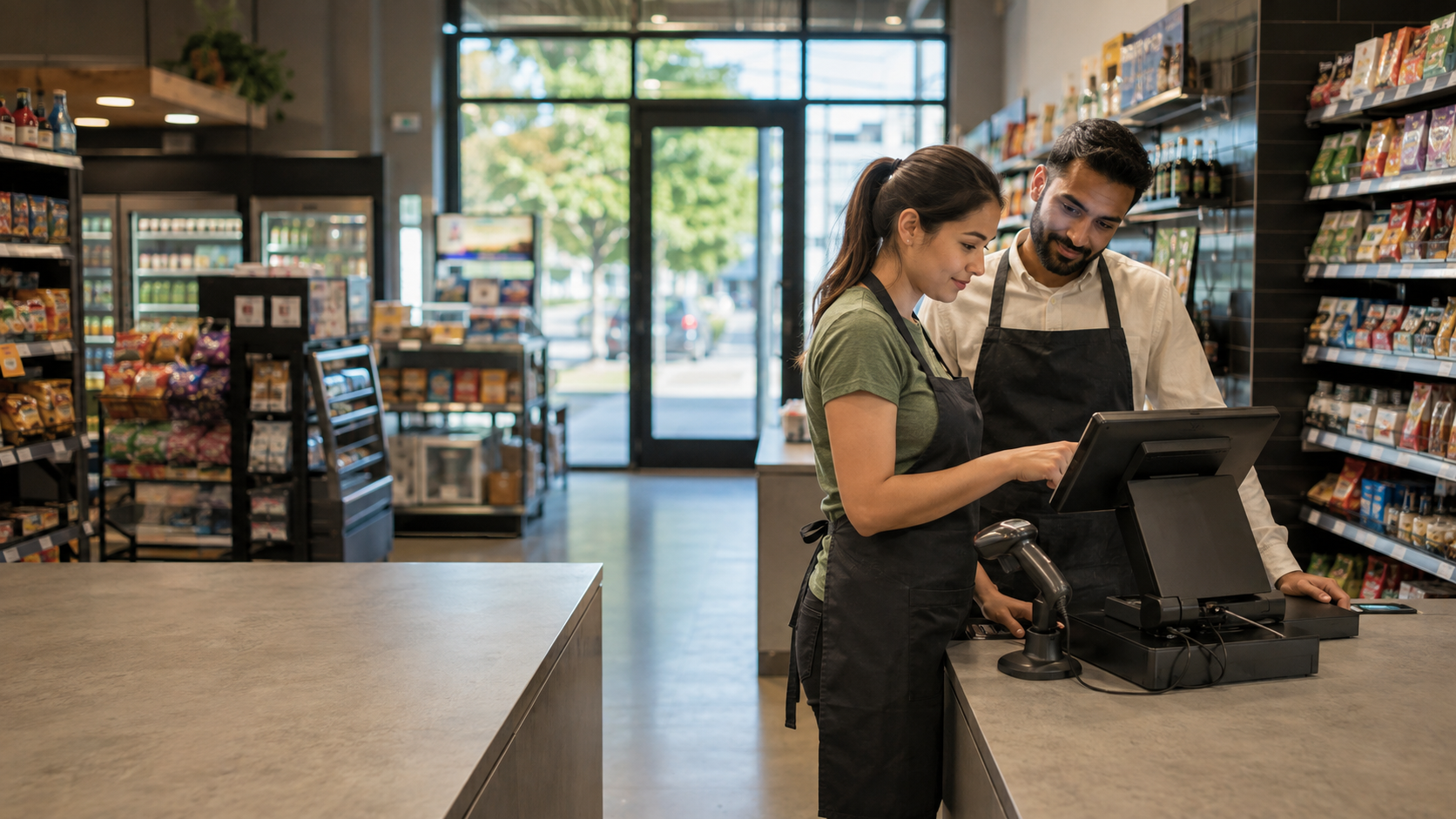
Removing a checkout counter is a design choice, not a complete retail strategy. Operators should first establish whether the main problem is queueing, staff workload, restricted opening hours or errors in transaction processing.
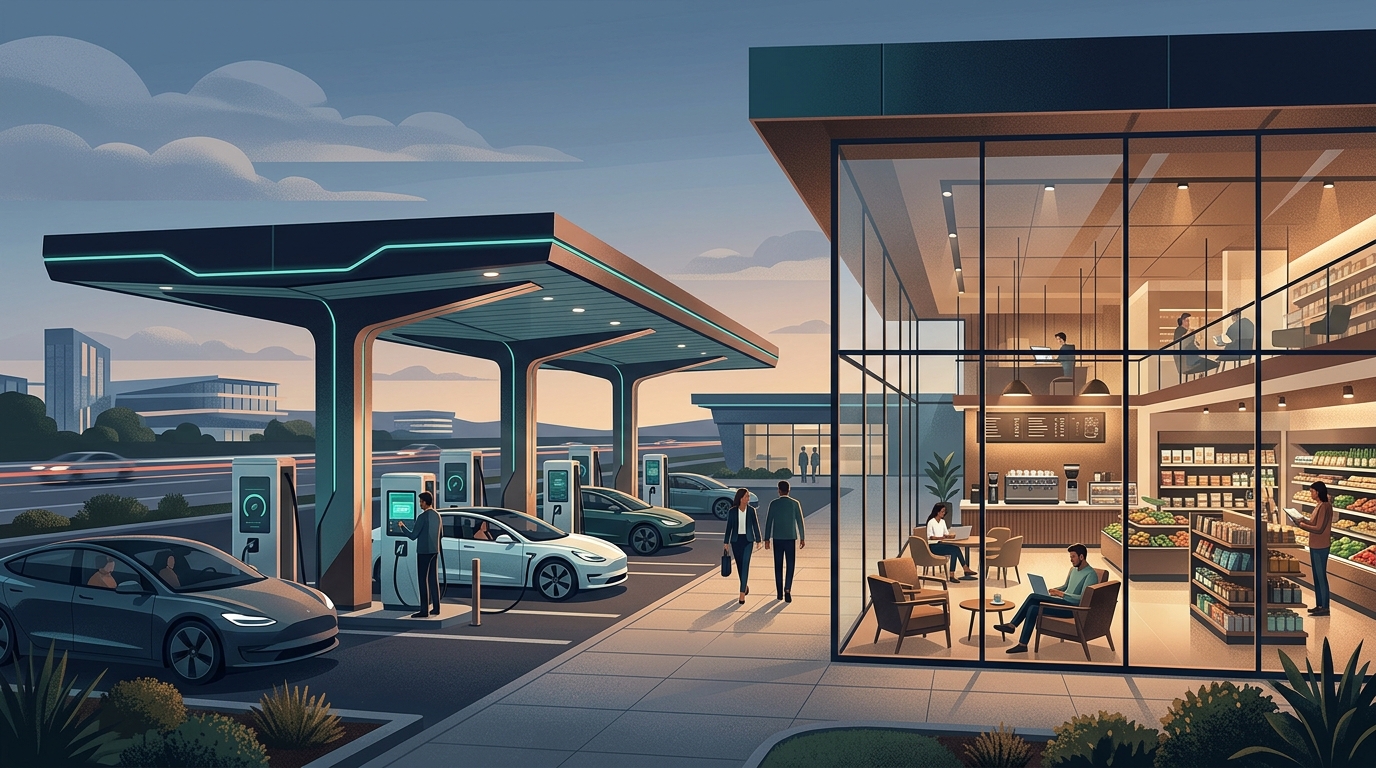
The possibility that charging visitors will spend in the shop is commercially useful. It becomes misleading when a single assumed dwell time or basket multiplier is presented as a fact across all sites.
The briefing compares checkout formats and examines the customer exceptions that a trial must cover. It no longer presents unreferenced shrinkage or satisfaction figures as measured industry results.
 Analysis