Retail Resilience: Safer Shifts and Dependable Checkout
GS1’s retail transition is a practical integration project. A successful scan must become one correct transaction, with additional product data handled deliberately. NIOSH guidance puts visibility, cash controls, clear exits and staff training at the centre of violence prevention. Technology needs a workable response behind it.
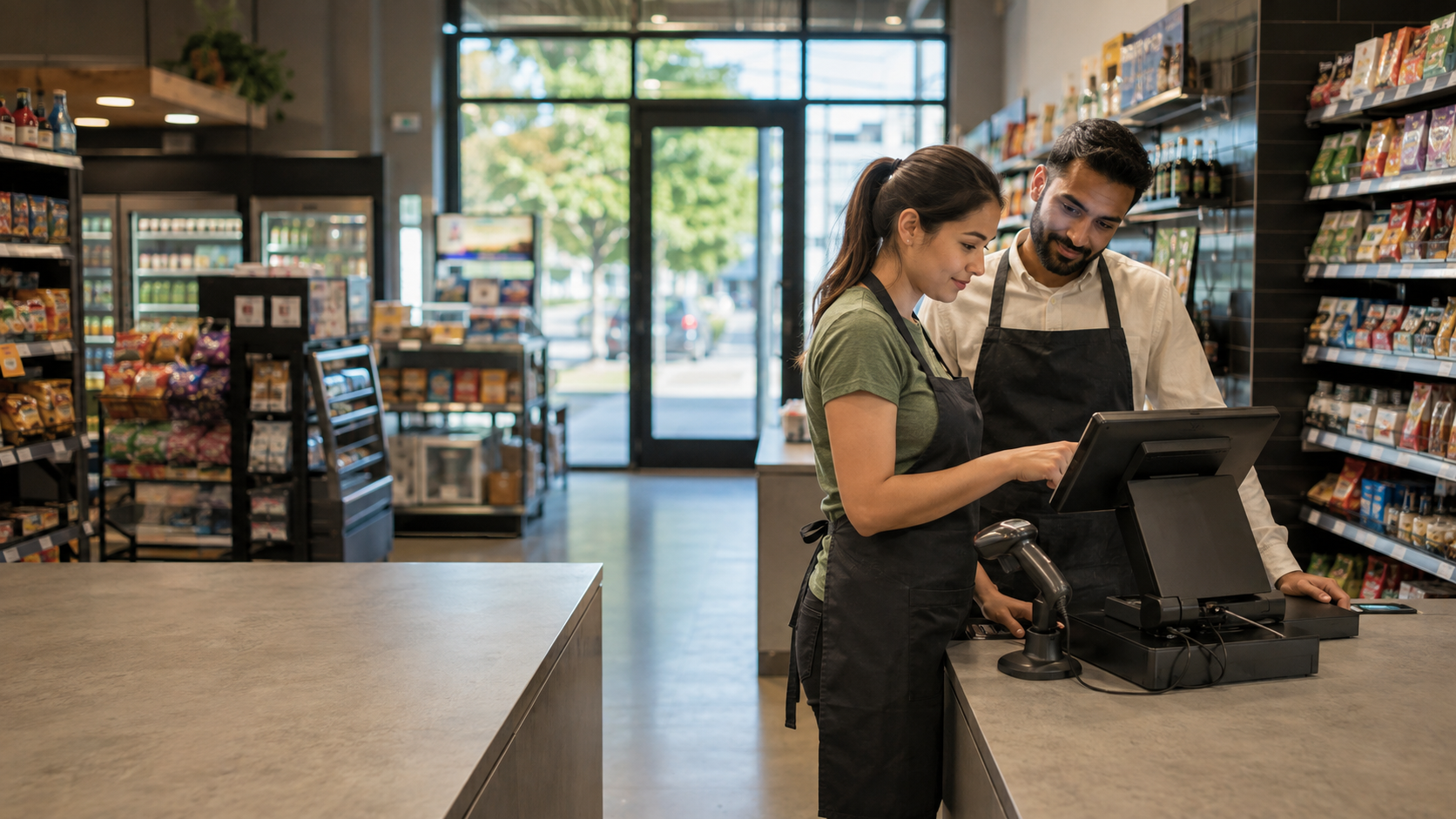
Editorial illustration
This episode examines 2d barcode readiness: test the sale, the date and the exception and safer late-night stores: make staff protection an operating routine. It distinguishes documented requirements or guidance from proposed operating reviews.
Episode scope
GS1’s retail transition is a practical integration project. A successful scan must become one correct transaction, with additional product data handled deliberately.
NIOSH guidance puts visibility, cash controls, clear exits and staff training at the centre of violence prevention. Technology needs a workable response behind it.
The operating recommendations are editorial analysis. They do not establish a measured return, certify a particular installation or provide a universal performance benchmark. Publication and jurisdiction limits are explained in the spoken discussion.
Exact references
Host
Welcome to Forecourt News. This episode brings together two practical store-management decisions: preparing checkout for richer barcodes and making late-night work safer. They need different expertise, but both benefit from a clear operating test. Can the person using the system understand what to do, and does the expected response actually happen?
Co-Host
For barcodes, the reference is GS1’s retail implementation guidance. It describes a voluntary transition towards processing product identifiers from both traditional linear and supported two-dimensional barcodes. Its target is the end of twenty twenty-seven. That is an industry ambition. We should not describe it as a law that invalidates all existing product codes.
Host
Our recommendation is to start with the store’s real products. Test an item with both symbols on the package, a damaged label and an item requiring a refund. Follow the result into the receipt and inventory record. We would want one intended sale to become one correct transaction, with no duplicate line because two symbols were visible.
Co-Host
There is a separate decision about additional product data. GS1 describes the possibility of encoding expiry dates and batch identifiers. That does not establish that every package contains that information, or that a particular checkout already uses it. Ask the supplier to demonstrate the proposed feature with the actual data and software the store will receive.
Host
For the pilot, we suggest recording manual lookups, duplicate lines, rejected transactions and assistance time. Keep scanner configuration and software versions with the results. If ordinary scanning improves but exceptions become harder for staff, the project needs another review. We are proposing a test method, not claiming a published improvement in speed or waste.
Co-Host
Now consider safety during late trading. Our reference is an archived NIOSH feature reviewed in April twenty twenty-three. It discusses lone working, late opening and cash handling, and recommends practical prevention measures. We are using that guidance as context, not presenting its date or historical material as a new crime report.
Host
NIOSH’s recommendations include keeping exits clear, maintaining visibility, limiting accessible cash and training staff to react safely. Our operating question is whether the real shift supports the agreed procedure. A display added for a promotion may change a route or a view. Staff should have a practical way to report that problem and obtain a response.
Co-Host
The important boundary is that employee safety comes before recovering merchandise or cash. Our recommendation is to use the site’s approved procedures, appropriate training and professional safety advice. Do not ask staff to improvise confrontation to improve a loss-prevention measure. A safe scenario discussion can check understanding without staging a threatening surprise.
Host
Reporting also needs care. We would record threats, near misses, requests for assistance and unresolved follow-up. More reports after a new process can reflect better reporting. It should not immediately be interpreted as proof that the store became more dangerous. Look at context and coverage before reaching a conclusion.
Co-Host
For both projects, ask someone outside the implementation team to follow the exception. Can they correct a transaction or find the approved assistance route? Does the record identify who owns an unresolved issue? That exercise can reveal a process gap even when the hardware is present and the dashboard looks healthy.
Host
The spending decision should remain specific. Buy an upgrade for the capability the trial shows is missing. Fund a safety measure for the hazard and response it is meant to address. Neither project should be sold internally using an invented universal saving or a promised elimination of incidents. Keep the evidence with the decision.
Co-Host
The practical next step is one documented checkout test and one staff-safety review using the real trading layout. Involve the people who use those processes and record what remains unresolved. The exact GS1 and NIOSH references are in the episode notes. Thank you for listening to Forecourt News.