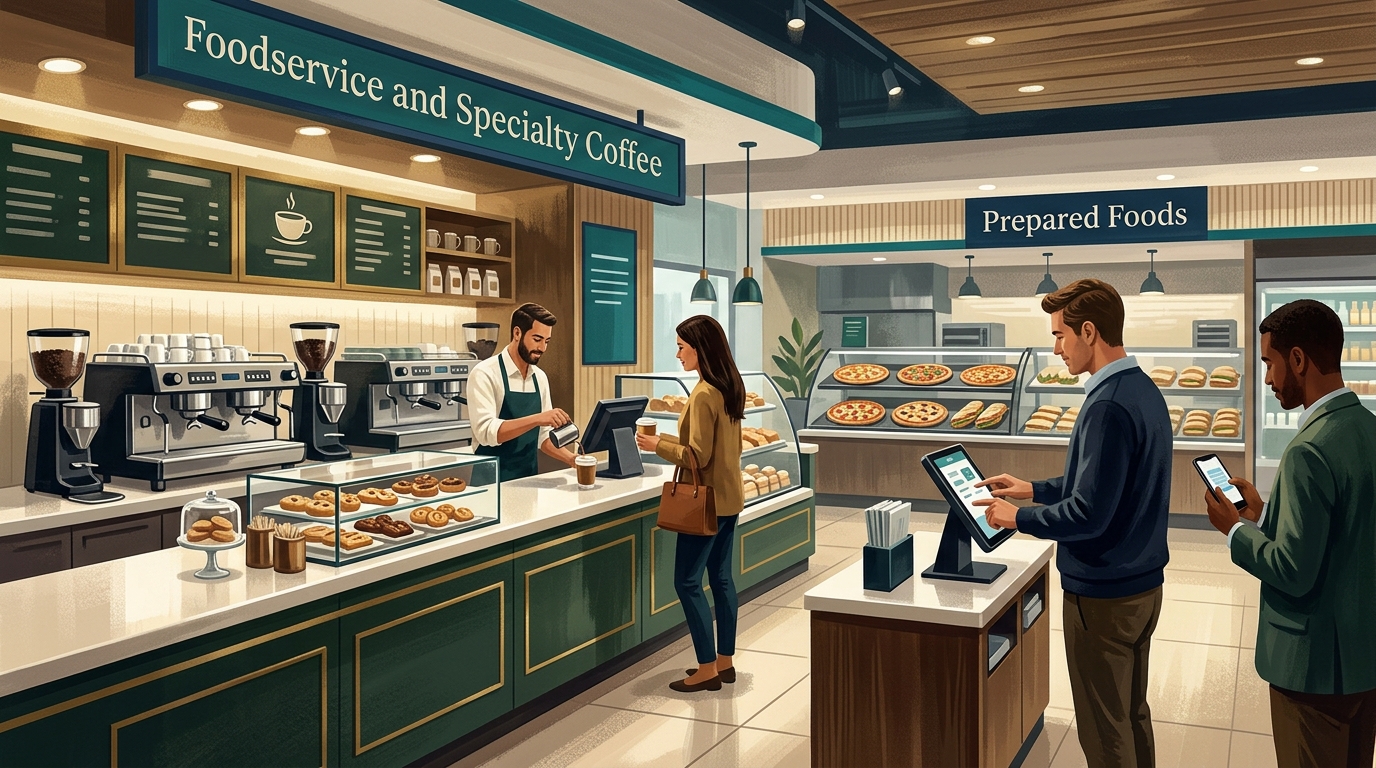
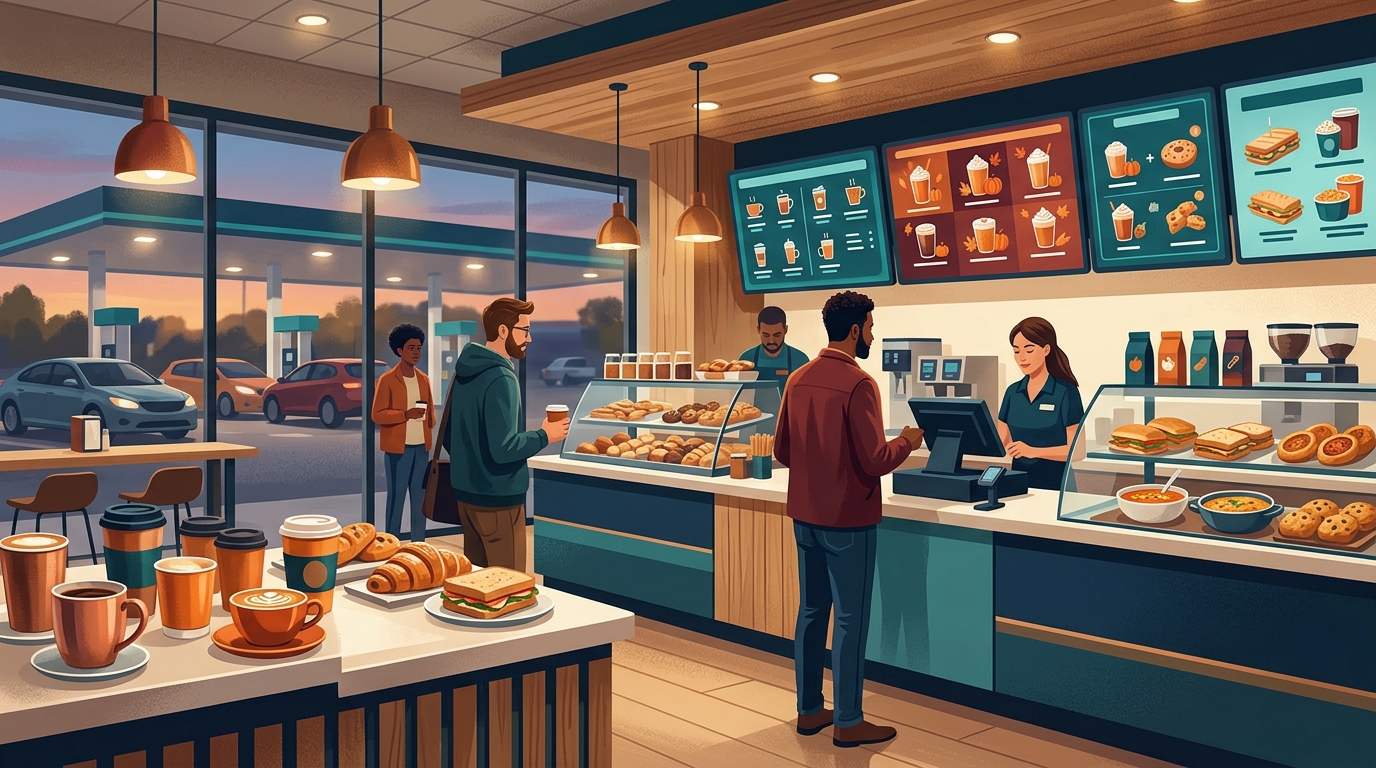
Foodservice adds a different operating rhythm to the forecourt. Explore menu execution, kitchen capacity, waste measurement and the handoff from ordering to collection.
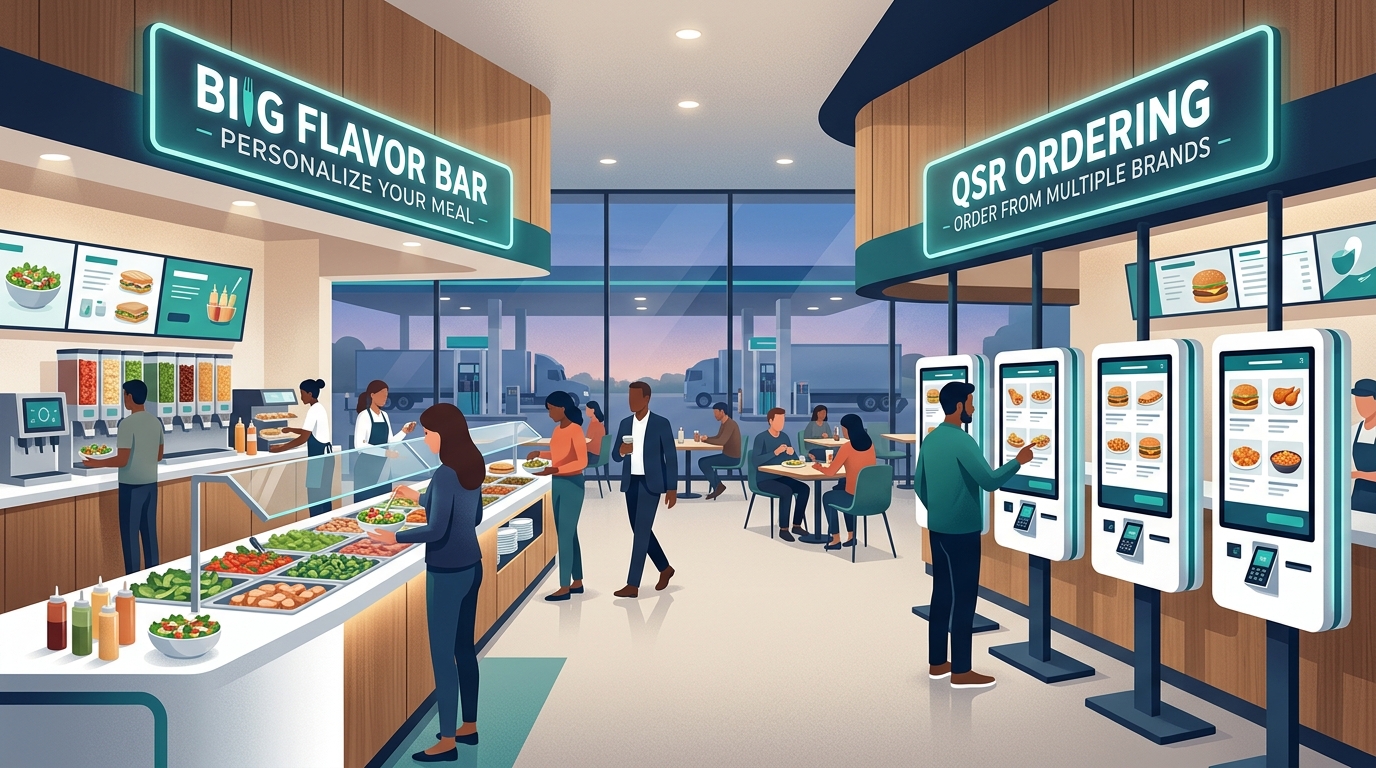
Convenience store operators are leveraging co-branded QSR partnerships and expanding food-to-go concepts to boost site destination appeal. GoMart is introducing West Virginia's first Wienerschnitzel drive-thrus, while international forecourts experiment with protein expansion, non-coffee specialty beverages, and mini food halls.
National Coffee Association survey data indicates record-high specialty coffee consumption and expanding app ordering, while Casey's General Stores reports a 30% sales boost in prepared foods and dispensed beverages at converted CEFCO locations.
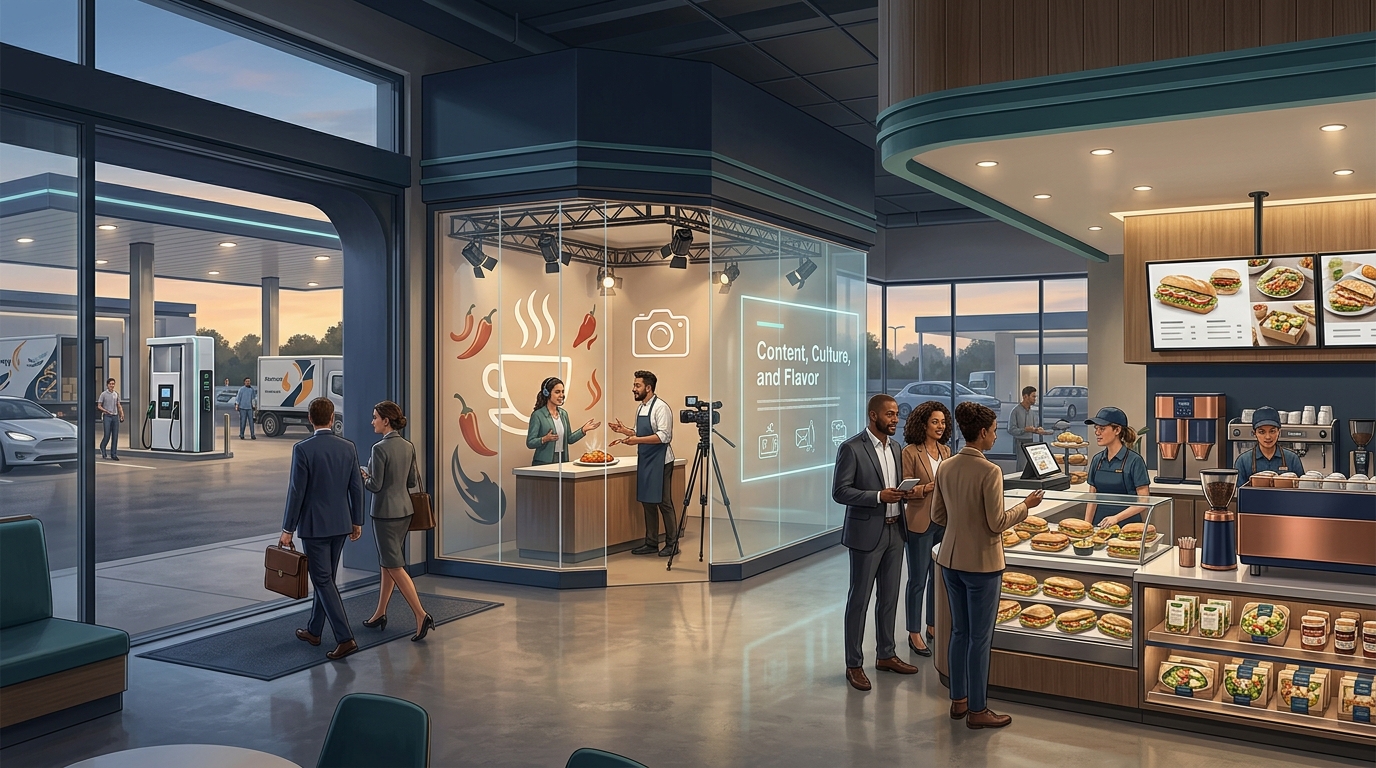
Recent developments in forecourt foodservice feature Sheetz launching a YouTube miniseries with First We Feast and Valora partnering with team energie to pilot its avec 'foodvenience' format across eight German service stations.
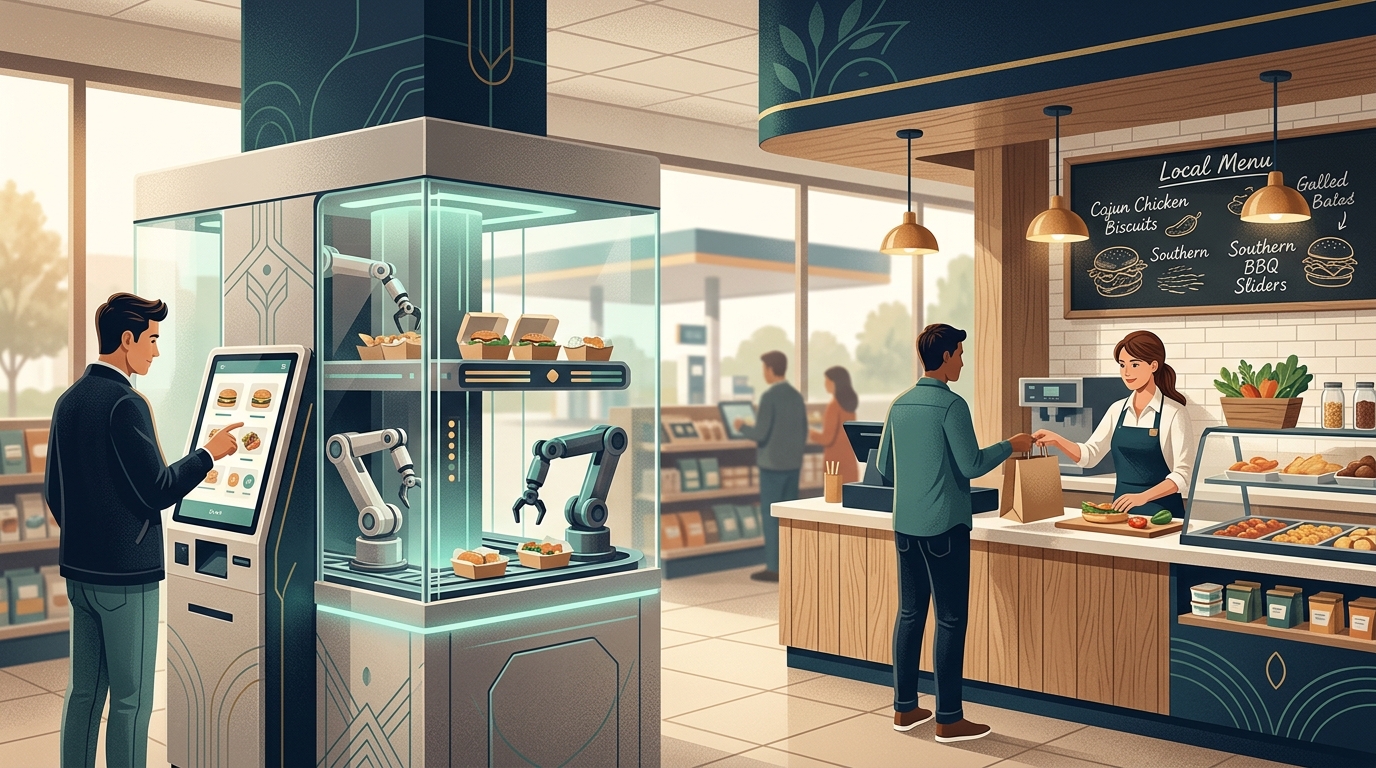
Convenience store operators are expanding foodservice contributions through automated robotic kiosks and customized regional menus. This analysis examines Murphy USA's test of automated White Castle burger kiosks and St. Romain Oil Company's growth strategy where foodservice now contributes equally to profitability alongside fuel and merchandise.
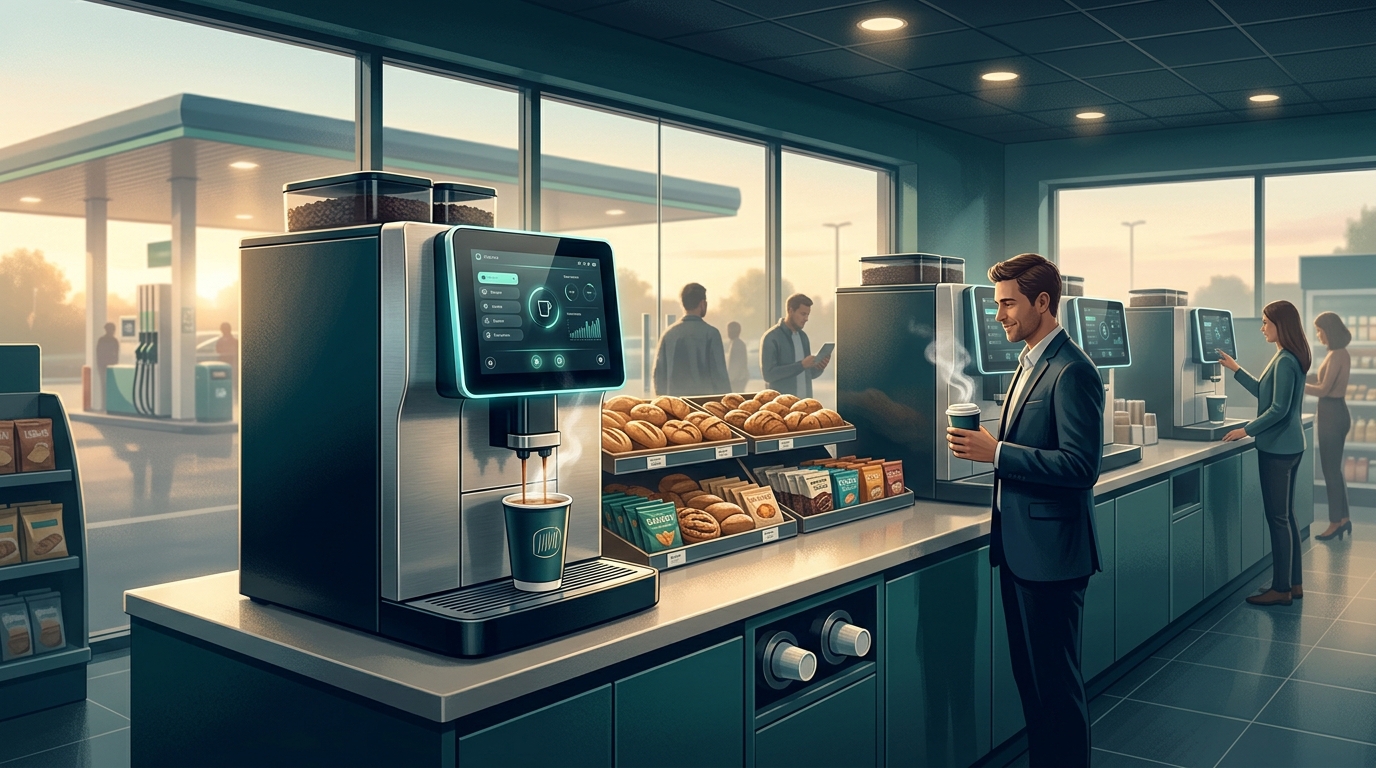
Motor Fuel Group is rolling out more than 600 Lavazza Coffee to Go machines across its UK network by spring 2027, introducing the new Coffee Essence hardware platform with customized options and telemetry.
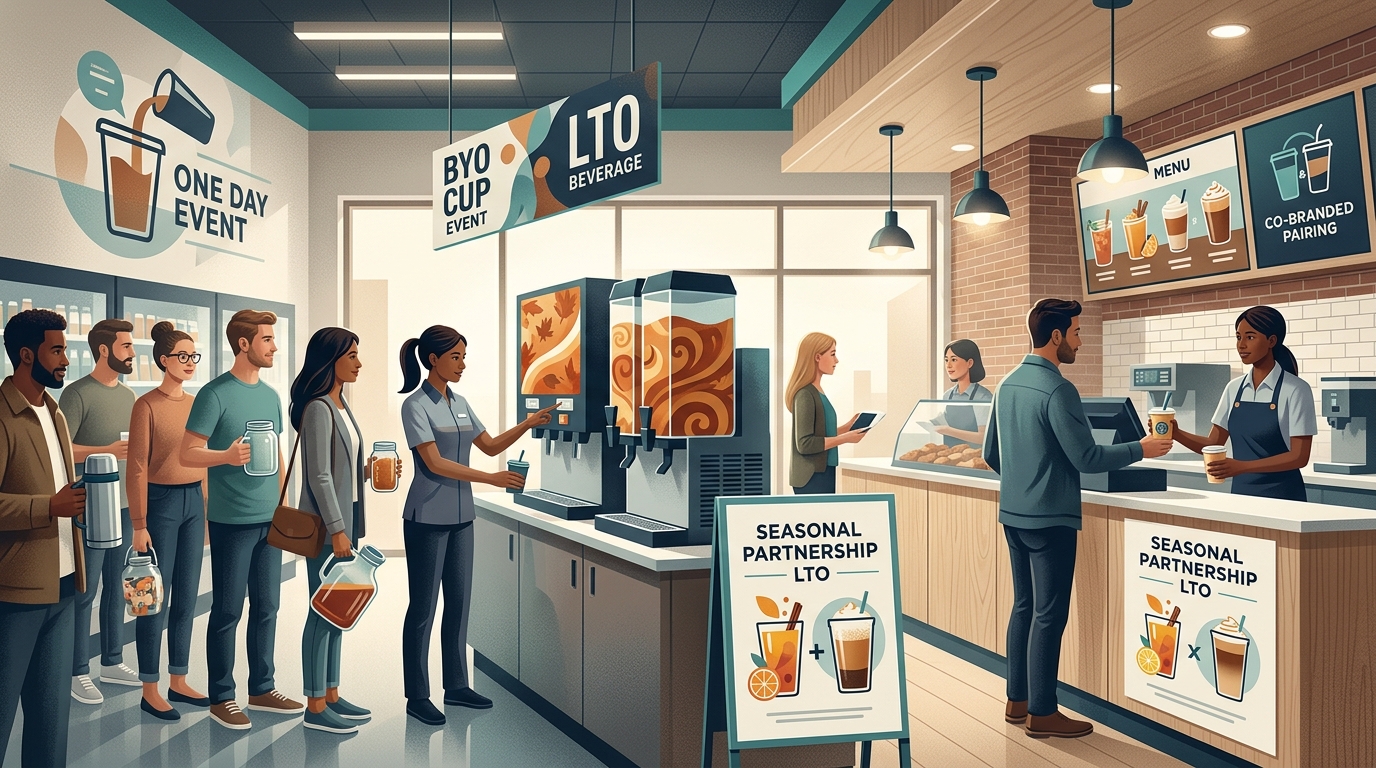
An operational analysis of autumn beverage promotions, reviewing 7-Eleven's single-day Bring Your Own Cup Day event and Biscuit Belly's seasonal beverage partnership with Natalie's Juices.
Forecourt foodservice operators and QSR coffee brands are deploying autumn menu updates alongside targeted value bundles and promotional drink pricing from September through November 2026. This report examines recent announcements from Wawa and Travelin' Tom's Coffee, incorporates Placer.ai benchmark data on seasonal launch traffic, and presents structured operational hypotheses for business operators.
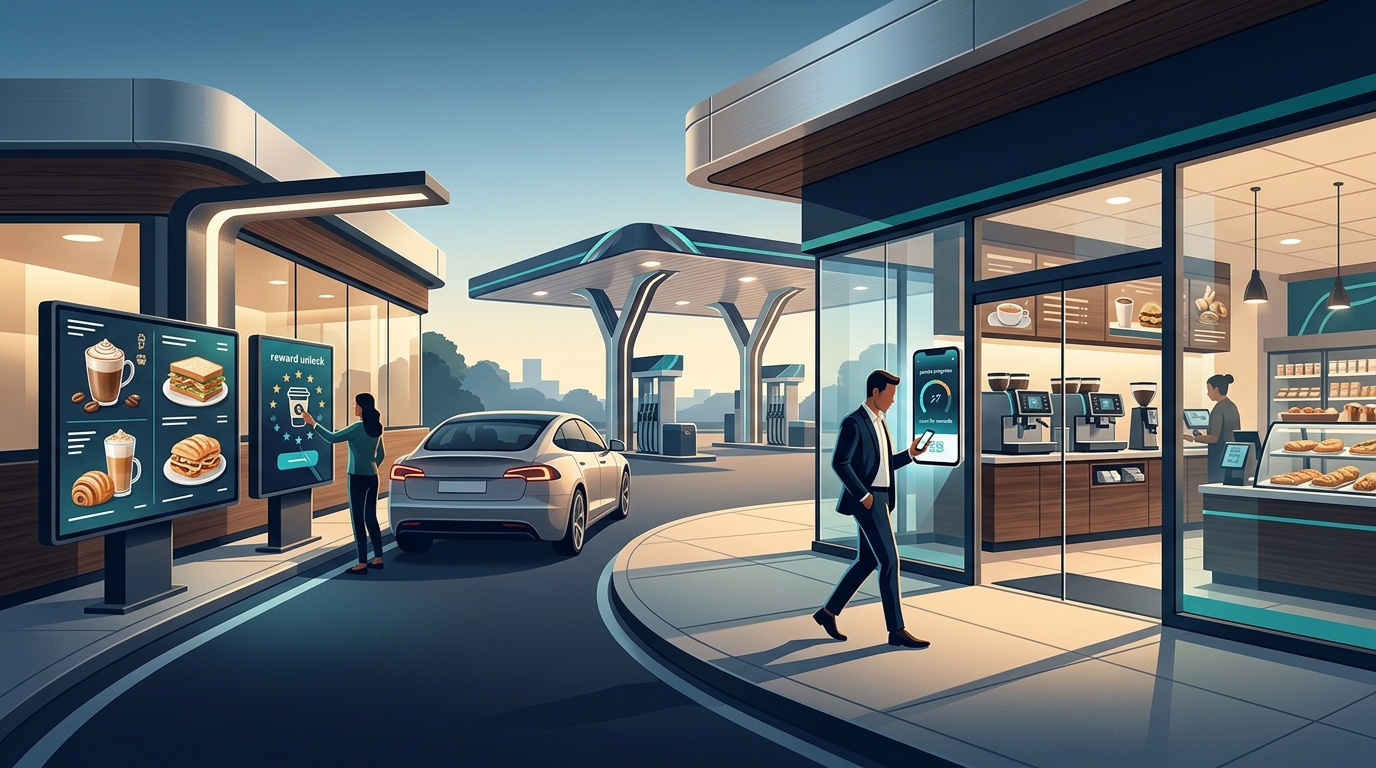
An analysis of how convenience retailers are leveraging high-margin foodservice, coffee loyalty programs, and digital media partnerships to capture repeat drive-thru and forecourt visits.
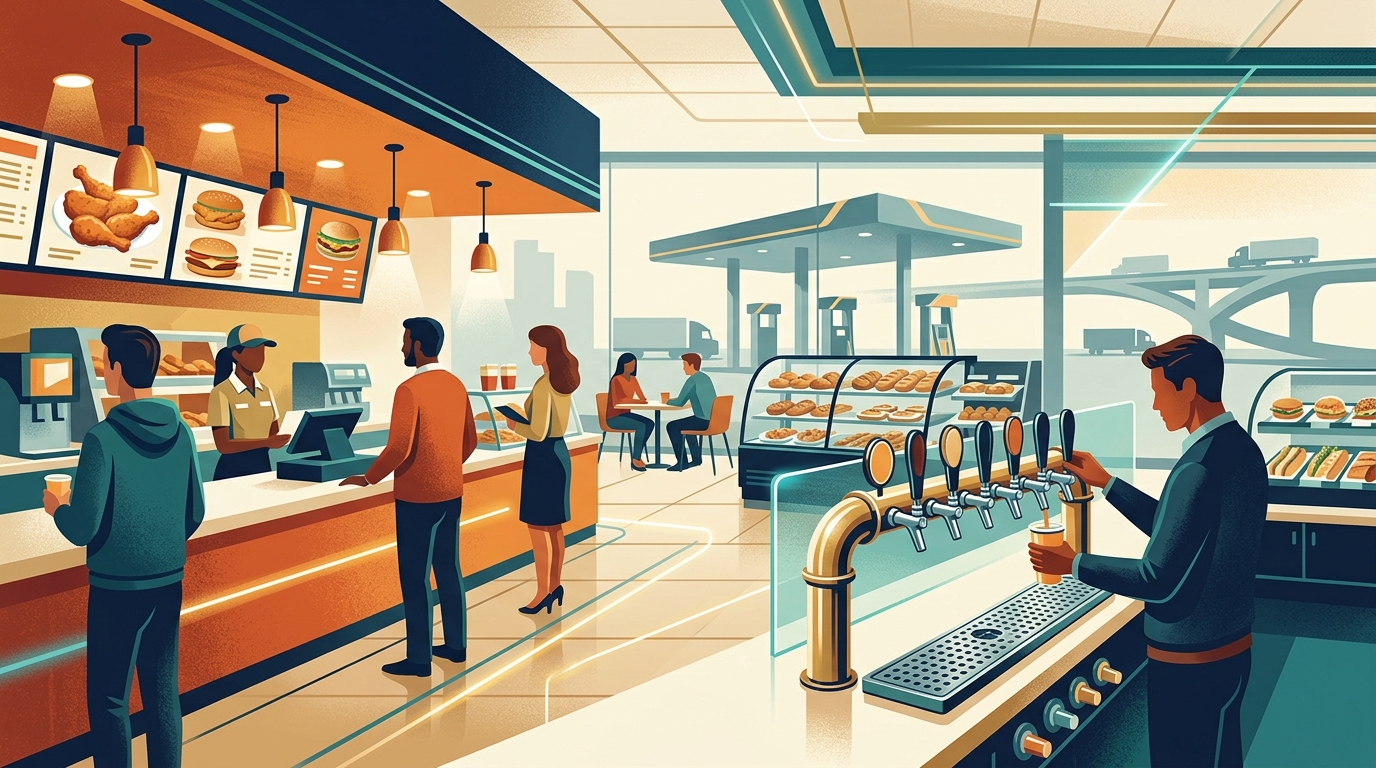
Convenience and travel center operators are advancing retail foodservice through expanded QSR franchising and custom draft beverage installations. LV Petroleum added new Bojangles locations in Arizona and Nevada, while Wally's and Jump Start Stores deployed eight-faucet draft dispense systems.
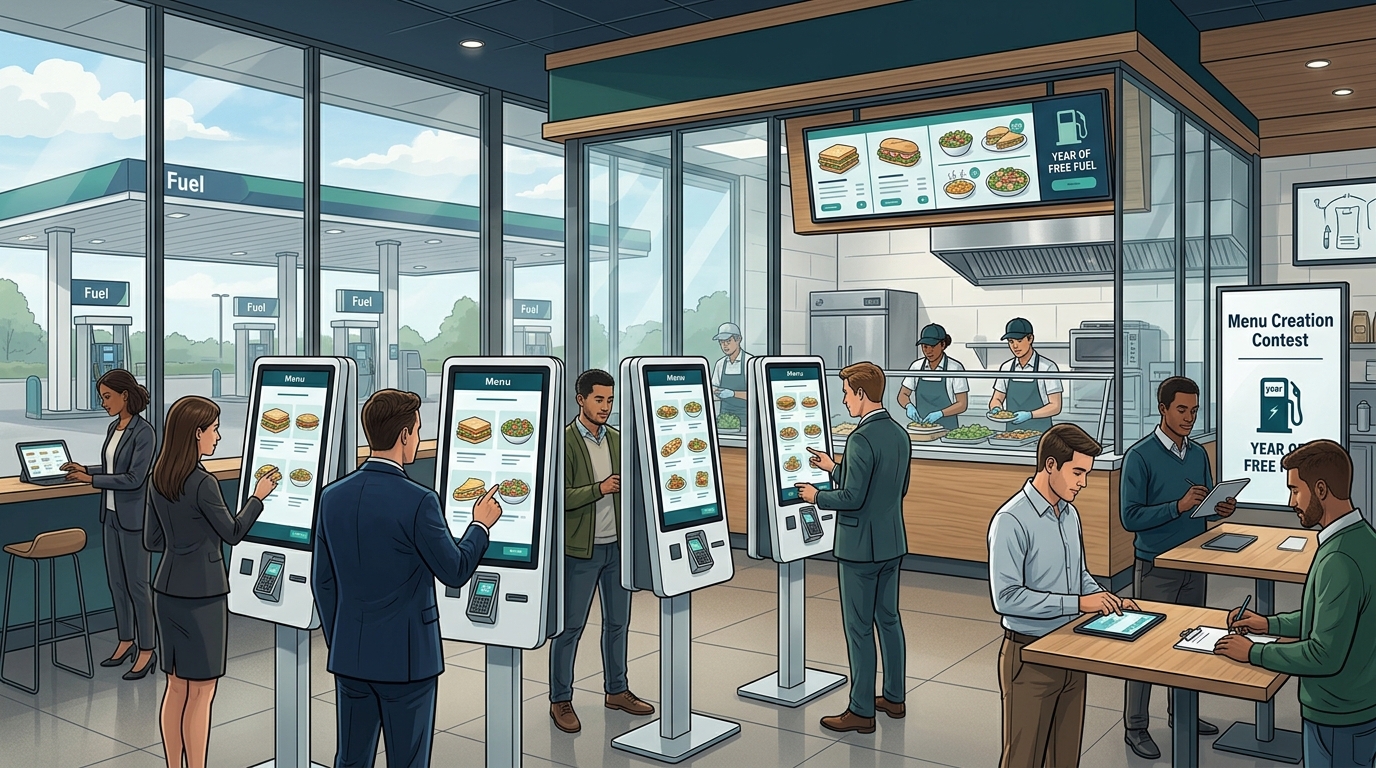
Convenience retailers Pilot and Rutter's are advancing foodservice strategies through digital ordering hardware and crowdsourced menu innovations. Pilot added 156 kiosks across 78 Wendy's sites, while Rutter's launched a customer menu contest offering free fuel for a year.
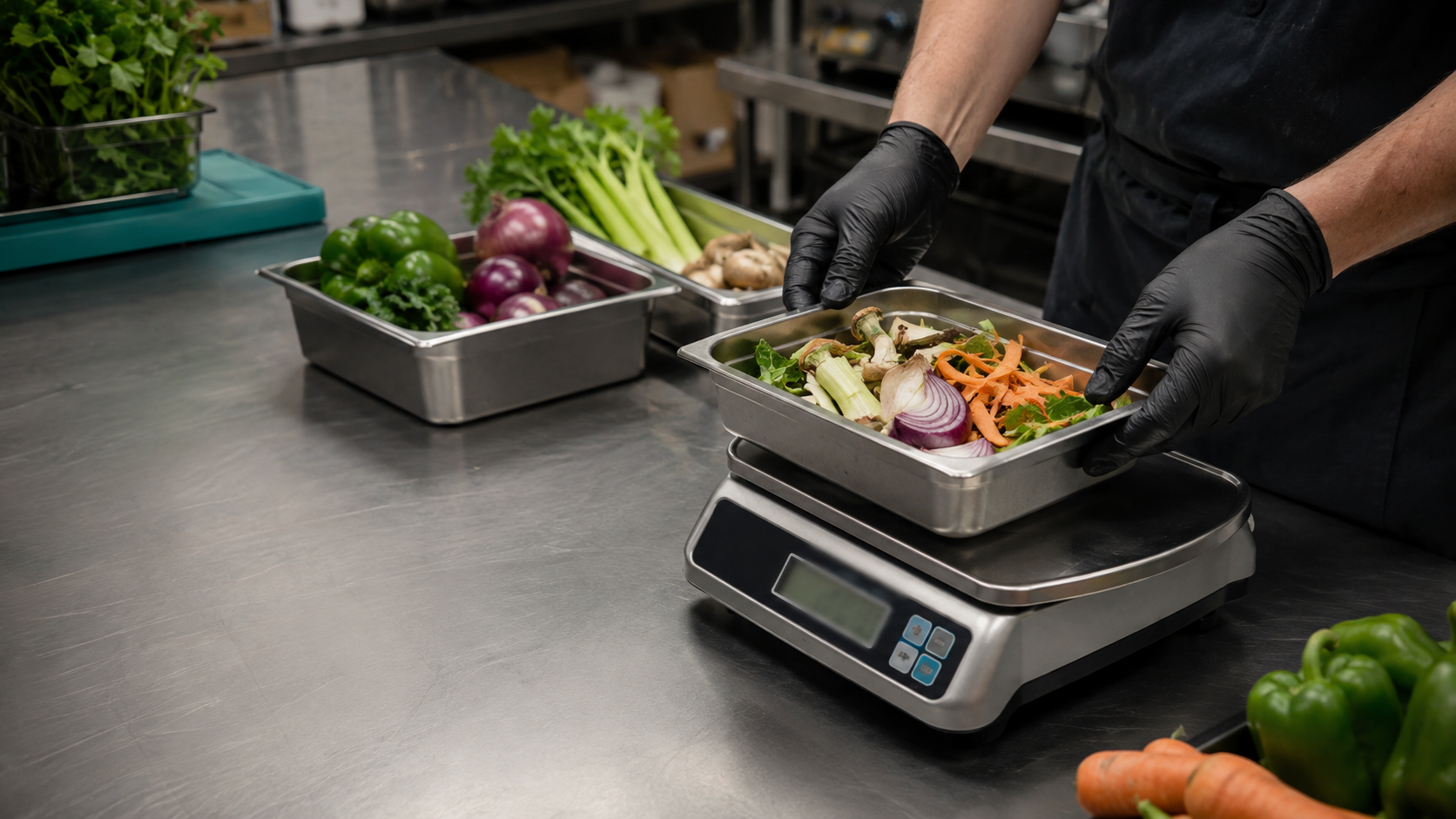
A practical food-waste baseline connects discarded product with production and sales. It can guide a targeted trial without borrowing another operator’s savings claim.
Food-to-go deserves its own operating model. Adding an oven and a coffee machine creates tasks in purchasing, preparation, cleaning, labelling and service that a conventional merchandise till does not resolve.
An oven’s cook cycle is only one part of a food order. A forecourt kitchen also has to receive the order, assemble ingredients, cook the product, package it and hand it to the correct customer. A fast appliance does not guarantee a fast overall service.
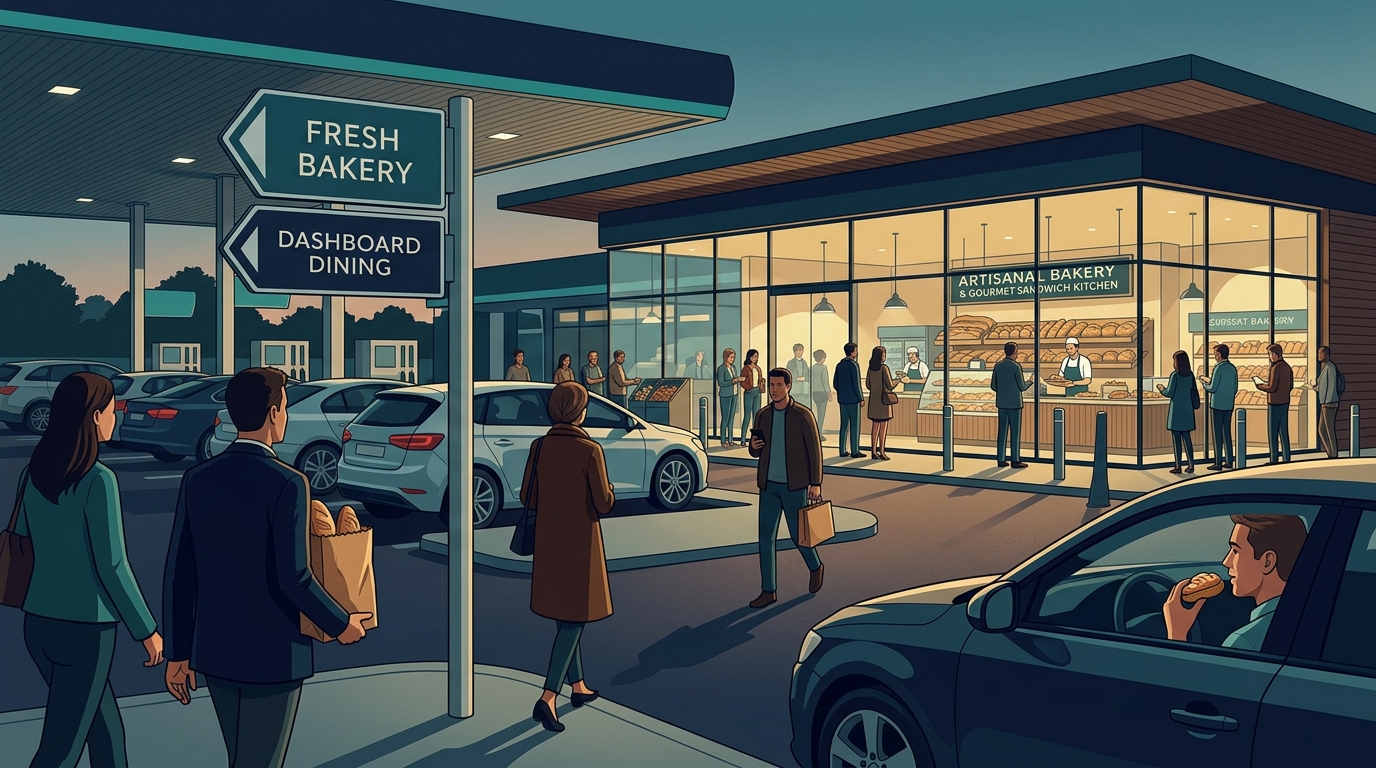
Charging visitors may be potential bakery customers, but a food offer has to work across the whole trading day. Excess production can turn a busy morning into an expensive afternoon if demand falls away and prepared stock is discarded.
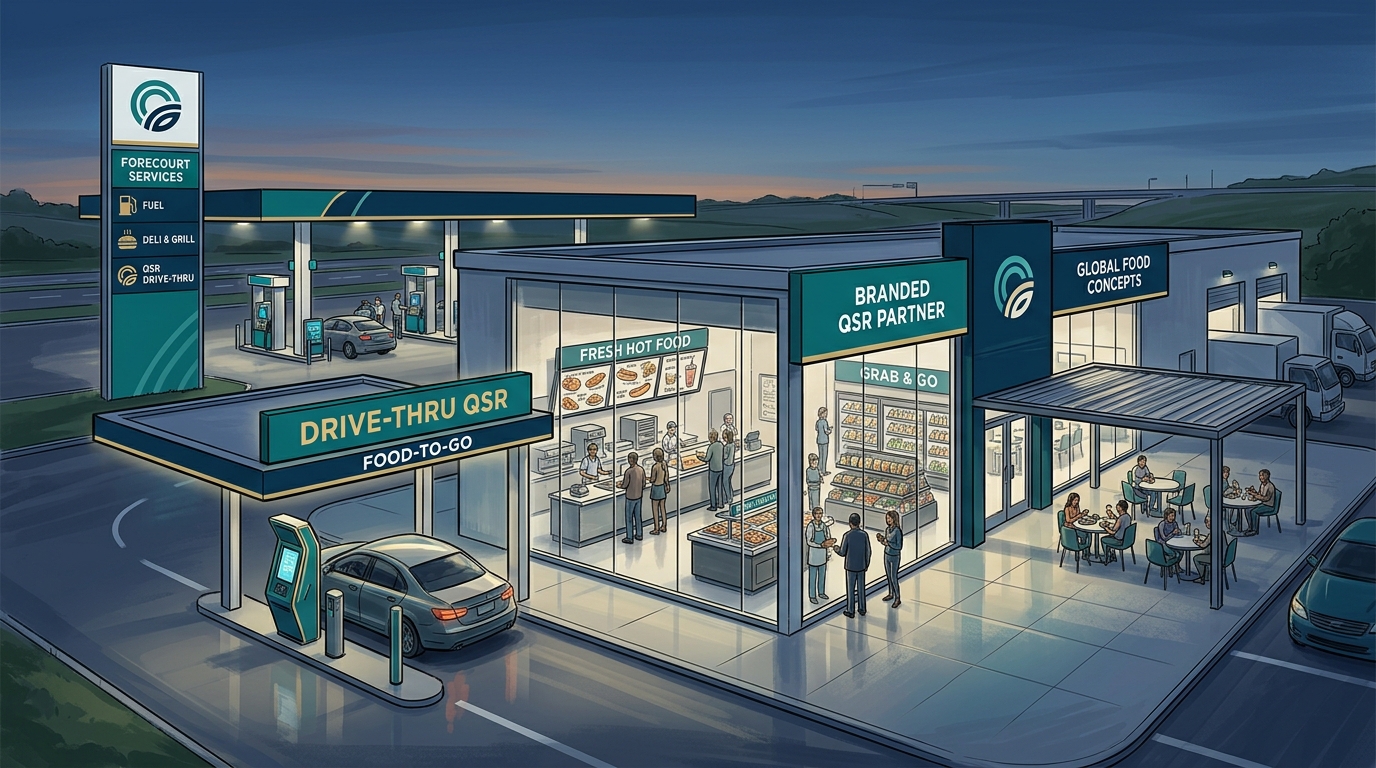
A recognised food brand and a proprietary offer create different responsibilities for a forecourt operator. The comparison should cover execution, support, customer demand and contribution—not simply the presence or absence of a franchise fee.
A forecourt bakery can be an attractive service for travellers and nearby customers. Whether it is commercially successful depends on the location, product quality, trading hours and execution. A claim that the sector has overtaken high-street bakeries requires comparable market evidence.
 Analysis