NIOSH guidance puts visibility, cash controls, clear exits and staff training at the centre of violence prevention. Technology needs a workable response behind it.
The Driivz and WEX integration raises a practical question about which sites accept a fleet payment today. The hosts also unpack the conditions for earning linked rewards at Tim Hortons in Canada.
The hosts trace who helps the driver when a roaming session goes wrong, then turn to the work behind Office Lawson’s scan-and-pay shops and Asda’s electronic shelf labels.
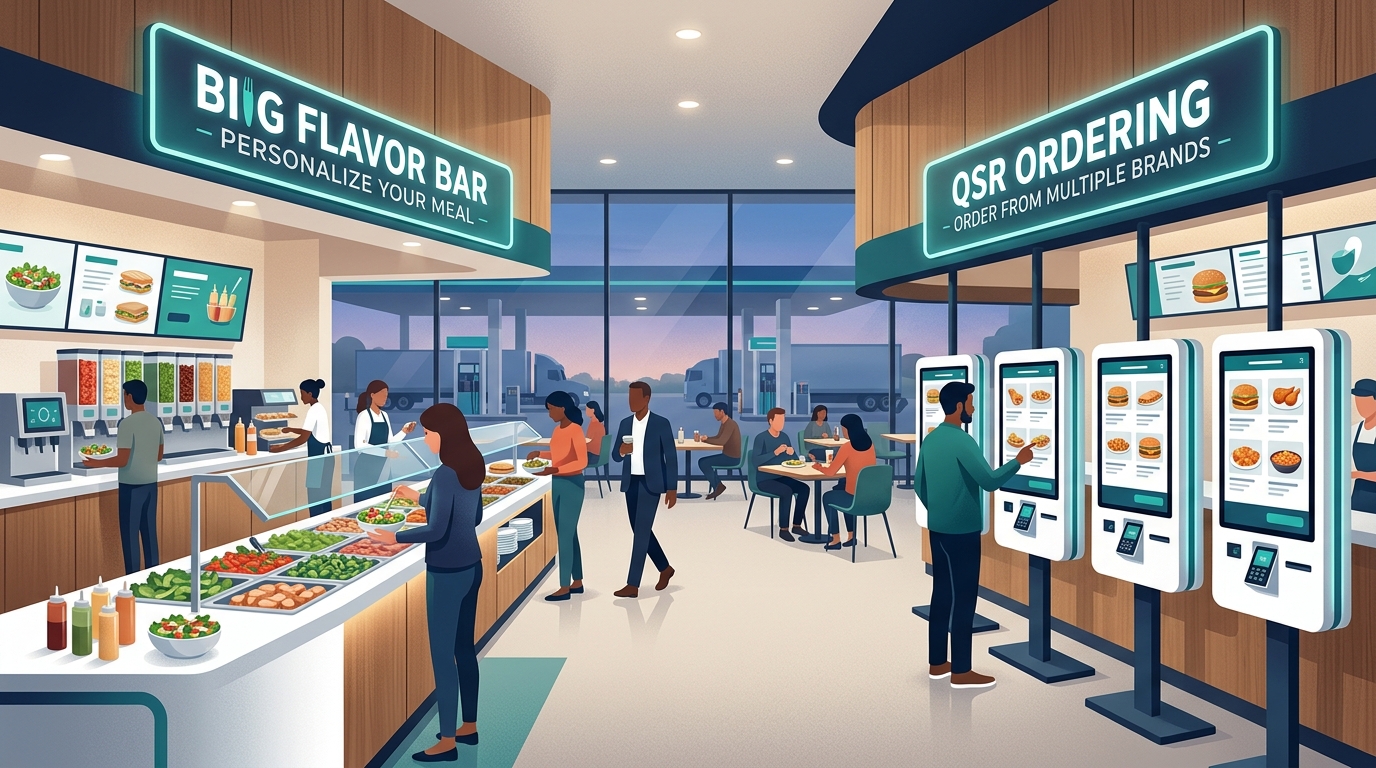
Food-to-go deserves its own operating model. Adding an oven and a coffee machine creates tasks in purchasing, preparation, cleaning, labelling and service that a conventional merchandise till does not resolve.
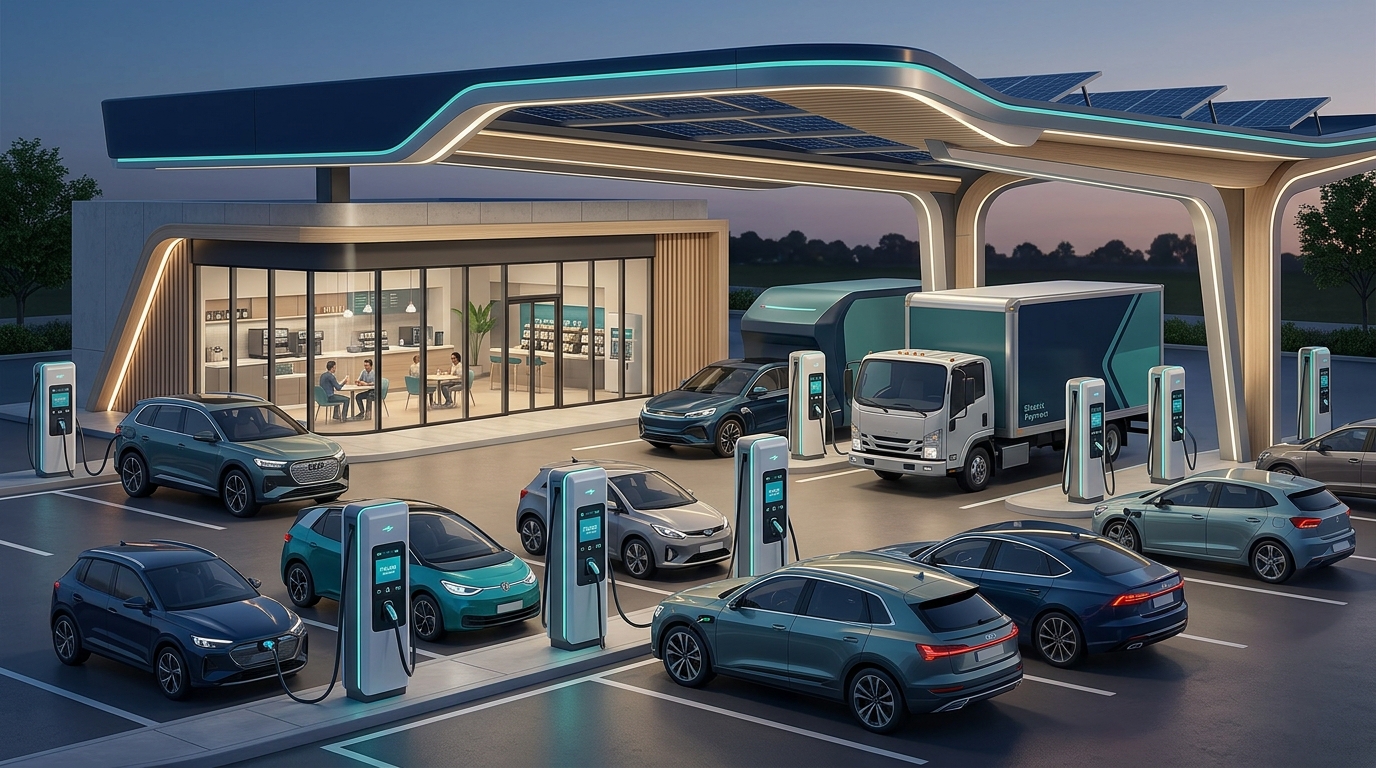
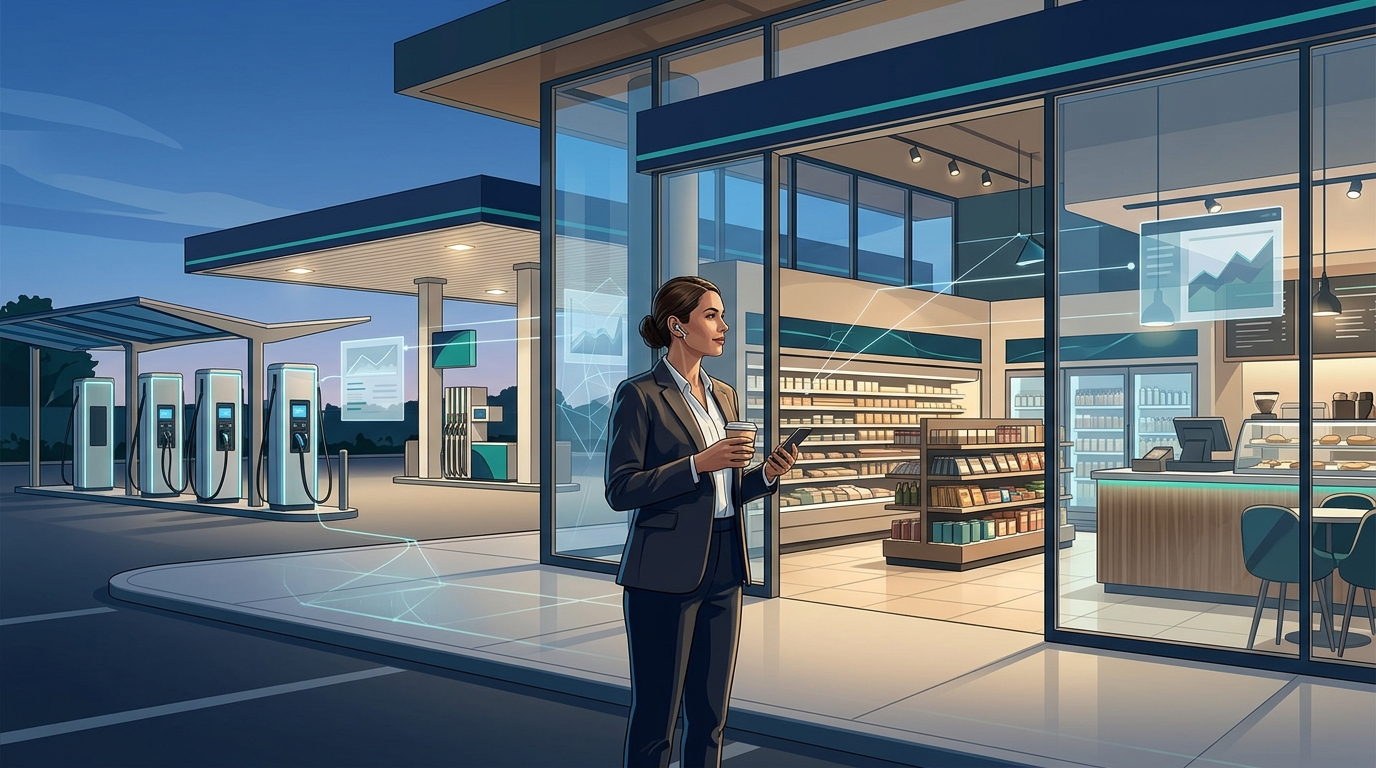
EV charging can create an opportunity for a store visit, but charging time is not a guaranteed retail sale. A driver may stay in the vehicle, arrive after the kitchen closes or choose a competing outlet. Forecourt investment decisions should measure that connection instead of assuming a fixed basket multiplier.
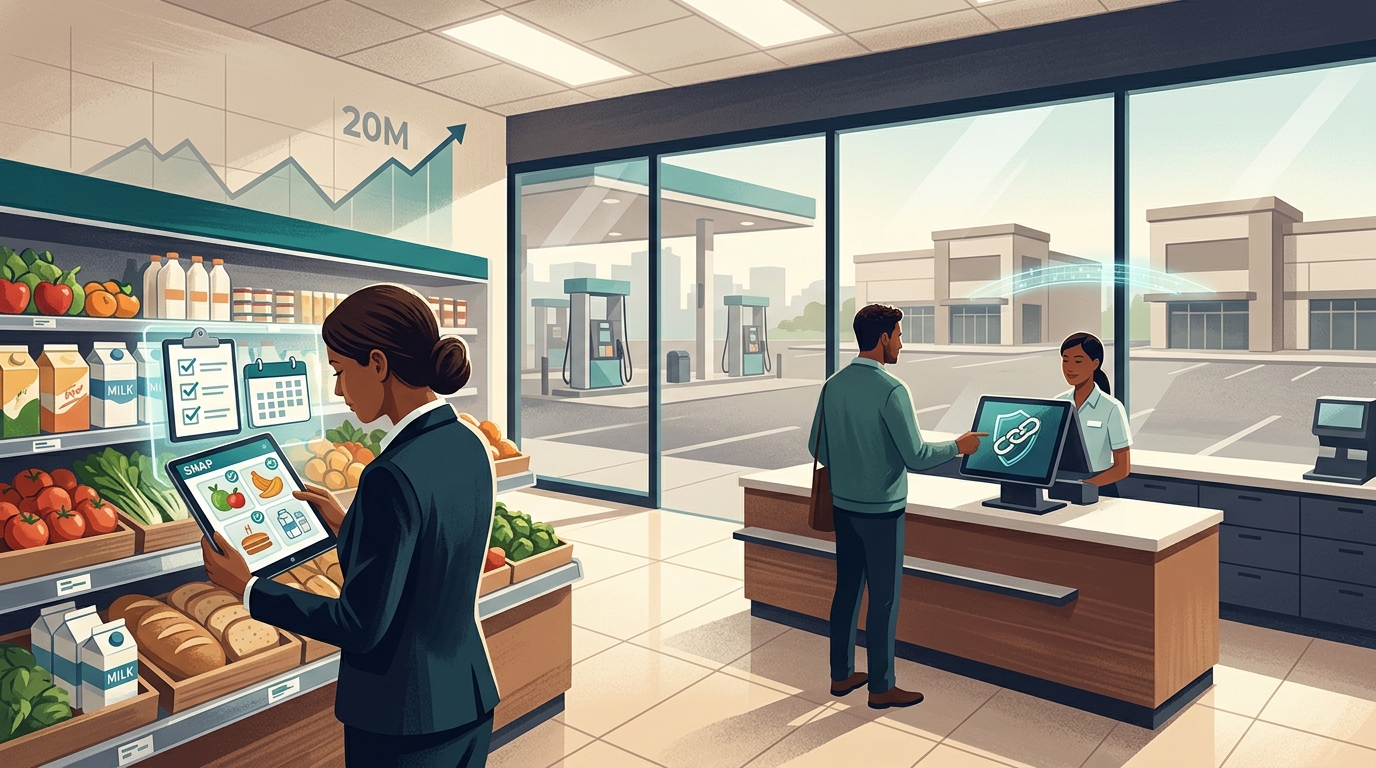
Computer vision, RFID checkout and scan-based self-checkout solve different problems. Treating them as one interchangeable technology makes it harder to choose a suitable store format or assess a supplier’s proposal.
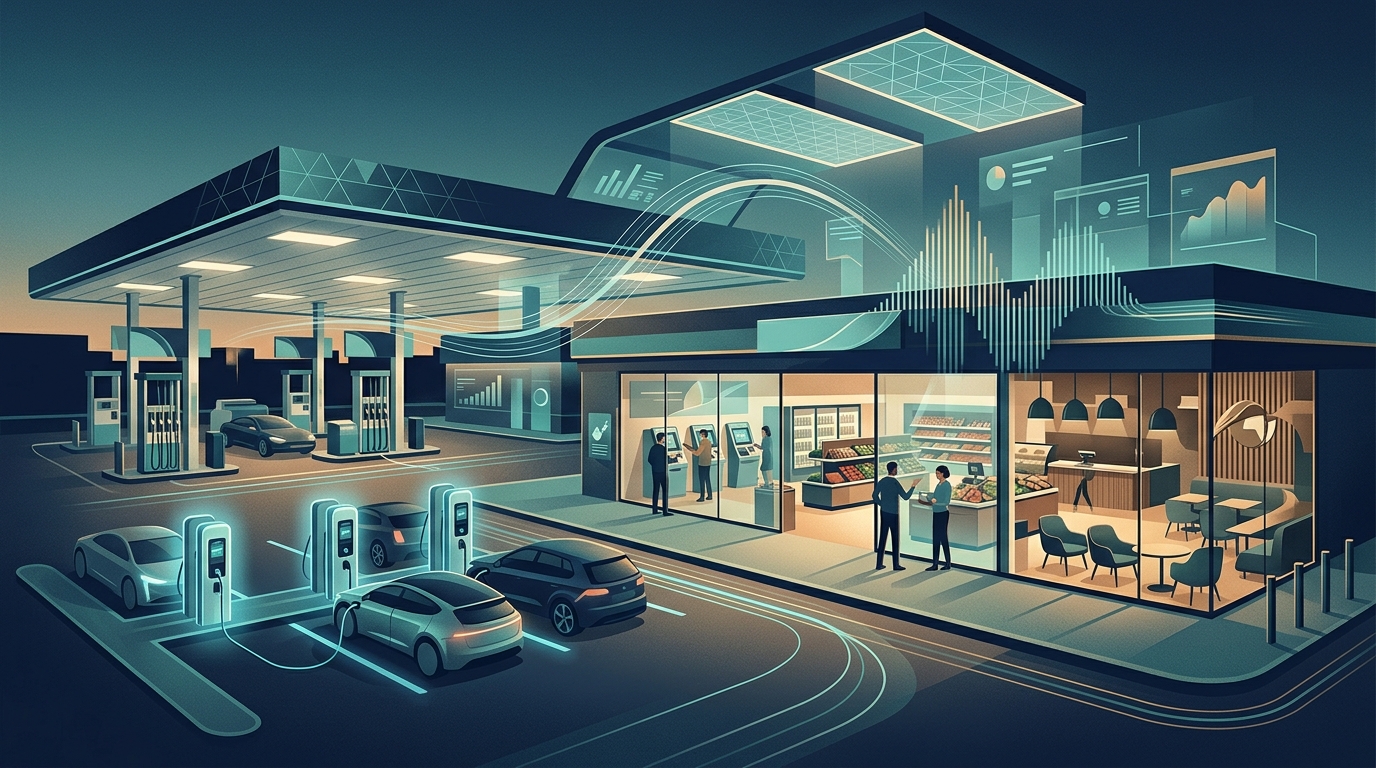
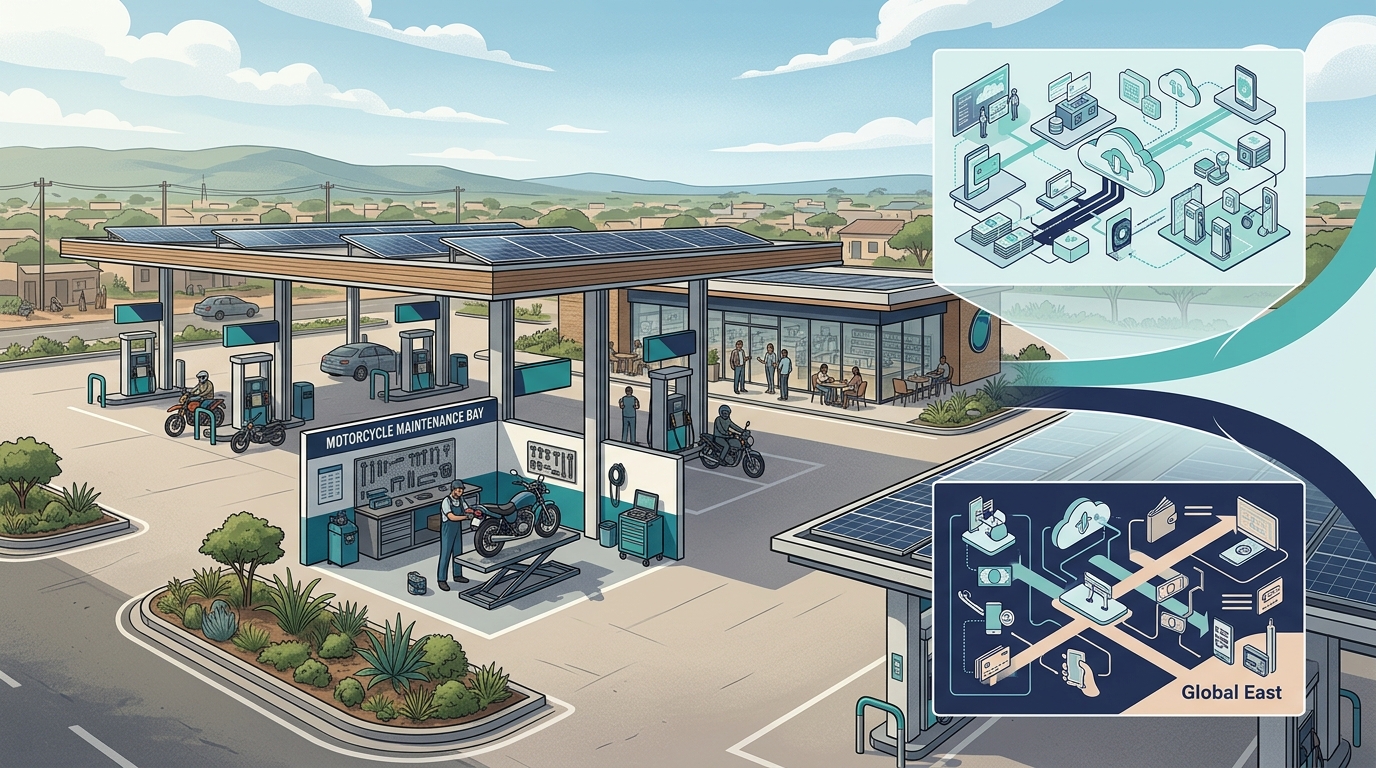
A unified customer experience can depend on several systems and contracts. Fuel authorisation, retail sales, EV charging sessions and payment settlement do not become one process simply because an operator chooses a single brand of equipment.
Wetstock control requires consistent measurement and an accountable investigation process. A controller upgrade can improve connectivity, but it cannot by itself prove that all differences between deliveries, sales and tank measurements have disappeared.
 Analysis