 Analysis
C-StoreNorth America
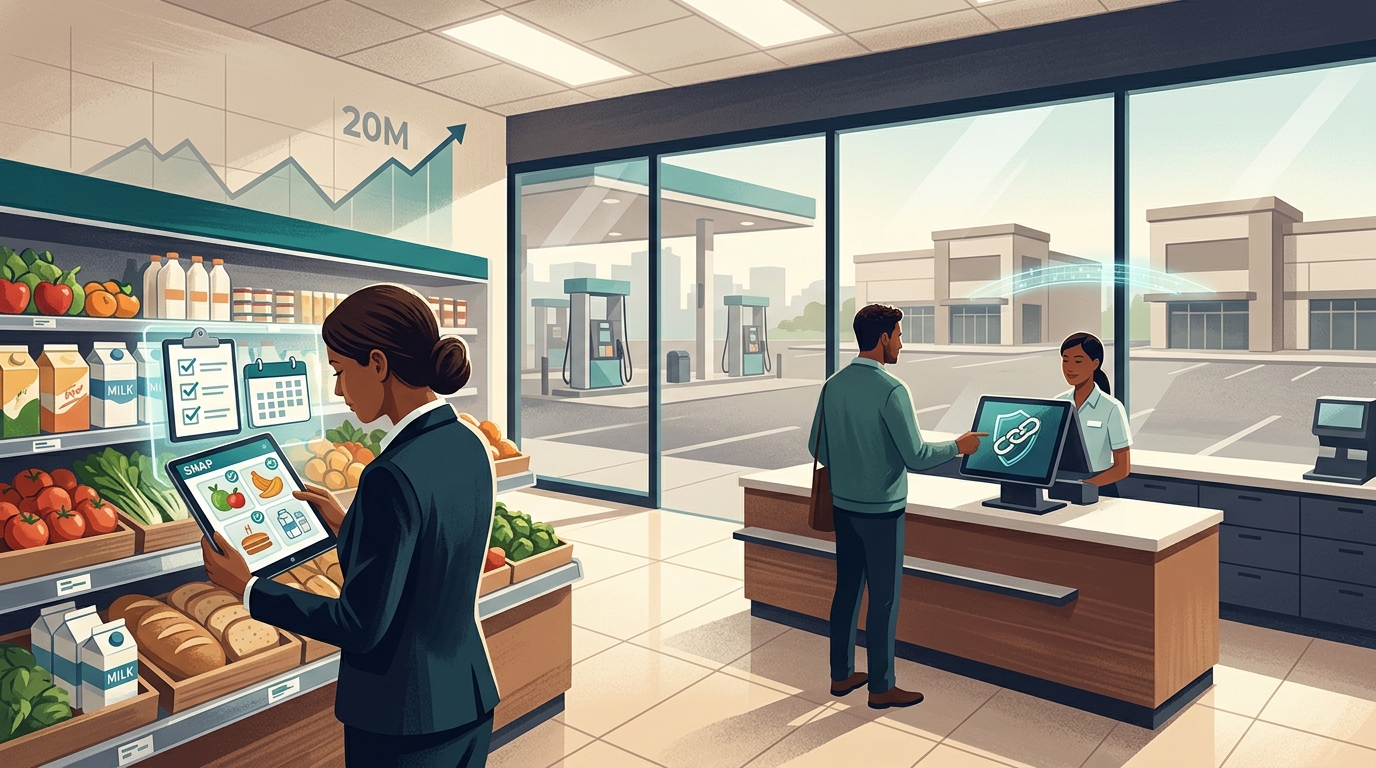
C-Store Operations Brief: Managing SNAP Regulatory Mandates and Strategic Loyalty Alliances
SNAP preparation needs the full stocking framework; linked loyalty rewards need their actual earning conditions.
2 min read
Reporting and analysis across four connected industries. Browse every perspective, from the newest dispatch to the archive.
AnalysisSNAP preparation needs the full stocking framework; linked loyalty rewards need their actual earning conditions.
 Analysis
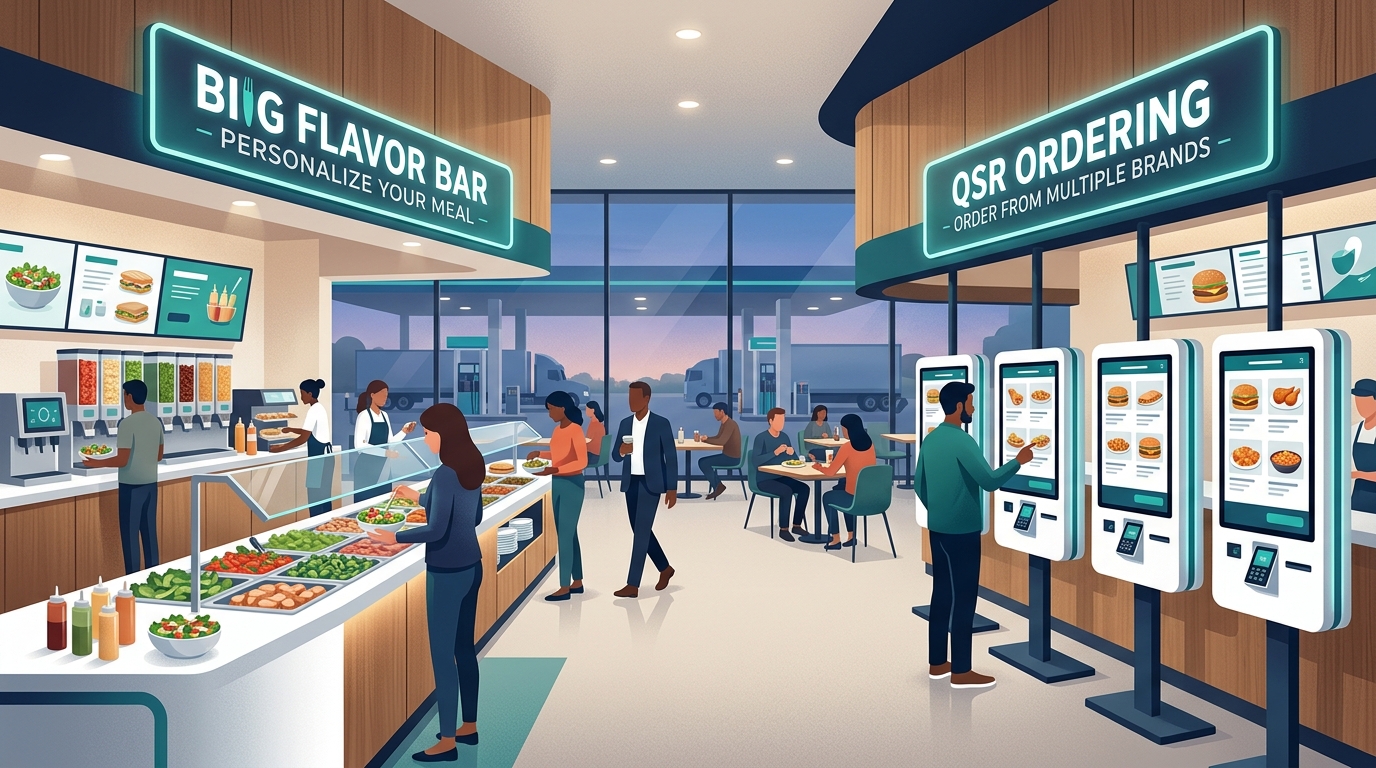
7-Eleven and Pilot announced different foodservice changes; their business effects need measurement.
 Analysis
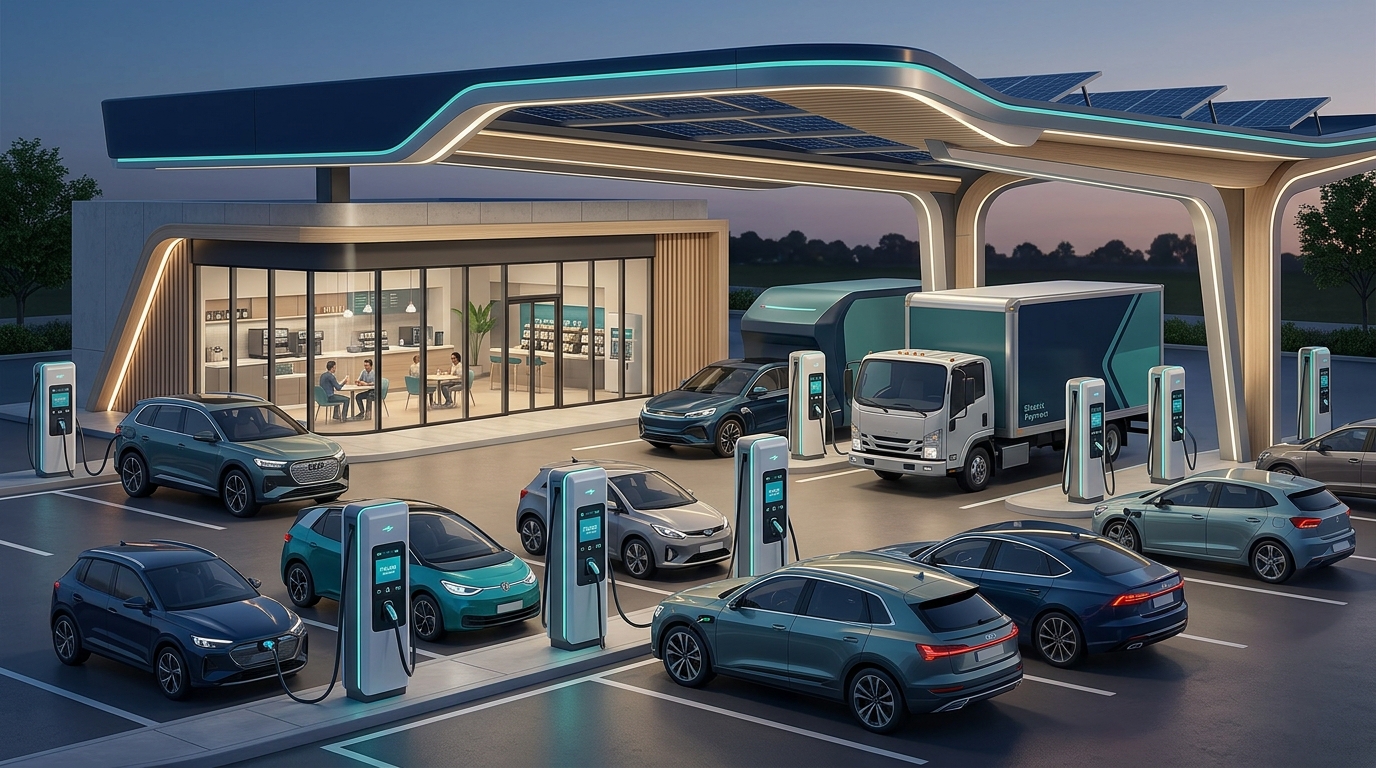
TanQyou’s hub and Driivz–WEX billing illustrate different operating options, each requiring site-specific validation.
 Analysis
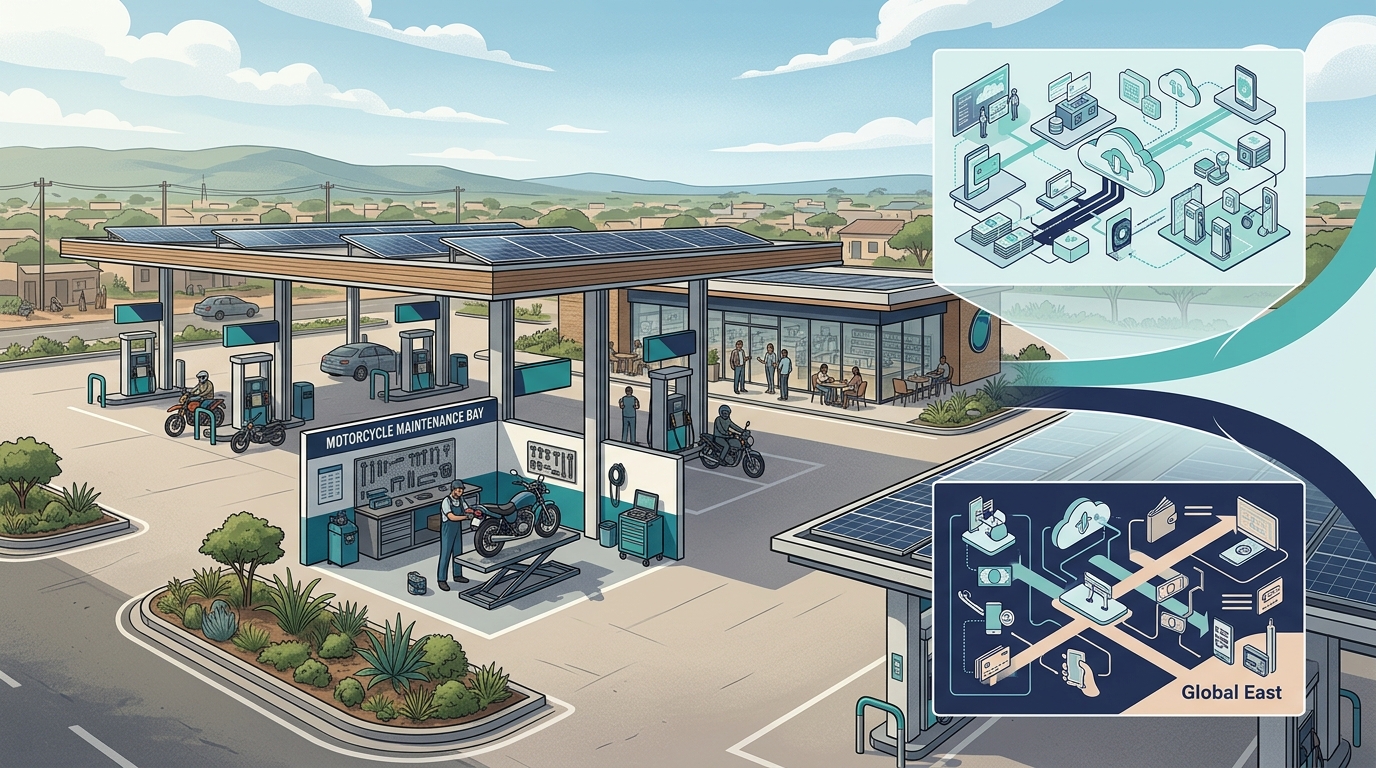
Rubis network totals and the Conexxus–IFSF governance change require careful separation from investment outcomes.
 Audio briefing
The hosts trace who helps the driver when a roaming session goes wrong, then turn to the work behind Office Lawson’s scan-and-pay shops and Asda’s electronic shelf labels.
 Analysis
Food-to-go deserves its own operating model. Adding an oven and a coffee machine creates tasks in purchasing, preparation, cleaning, labelling and service that a conventional merchandise till does not resolve.
 Analysis
EV charging can create an opportunity for a store visit, but charging time is not a guaranteed retail sale. A driver may stay in the vehicle, arrive after the kitchen closes or choose a competing outlet. Forecourt investment decisions should measure that connection instead of assuming a fixed basket multiplier.
 Analysis
Computer vision, RFID checkout and scan-based self-checkout solve different problems. Treating them as one interchangeable technology makes it harder to choose a suitable store format or assess a supplier’s proposal.
 Analysis
A unified customer experience can depend on several systems and contracts. Fuel authorisation, retail sales, EV charging sessions and payment settlement do not become one process simply because an operator chooses a single brand of equipment.
 Analysis
Wetstock control requires consistent measurement and an accountable investigation process. A controller upgrade can improve connectivity, but it cannot by itself prove that all differences between deliveries, sales and tank measurements have disappeared.
 Analysis
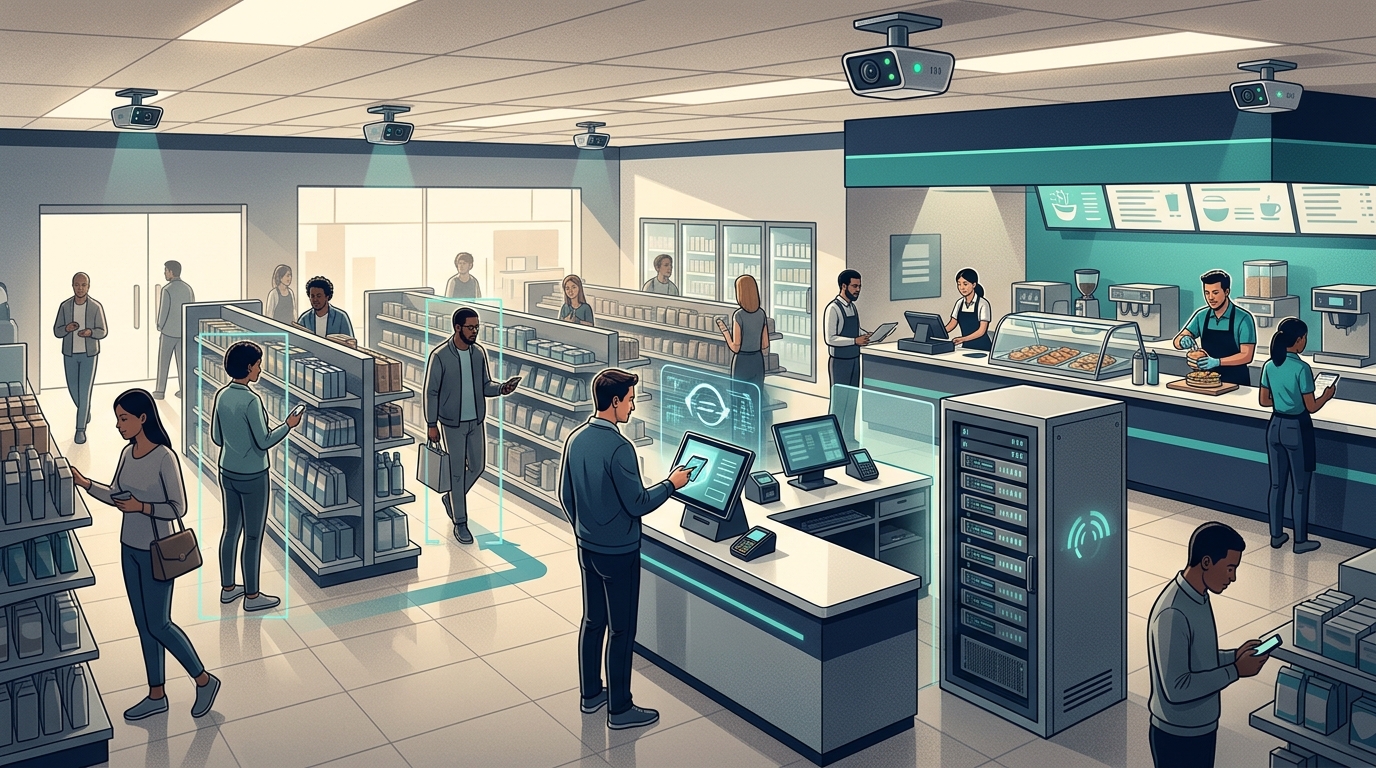
An autonomous-store pilot should answer a specific operating question: can this format serve the intended customers accurately and economically in this location? It should not begin with a fixed promise about camera count, staffing savings or payback.
 Analysis
A megawatt-charging proposal starts with the fleet: which vehicles will arrive, how much energy they need, and how long they can remain at the site. A connector’s maximum rating does not answer those questions.