Computer vision, RFID checkout and scan-based self-checkout solve different problems. Treating them as one interchangeable technology makes it harder to choose a suitable store format or assess a supplier’s proposal.
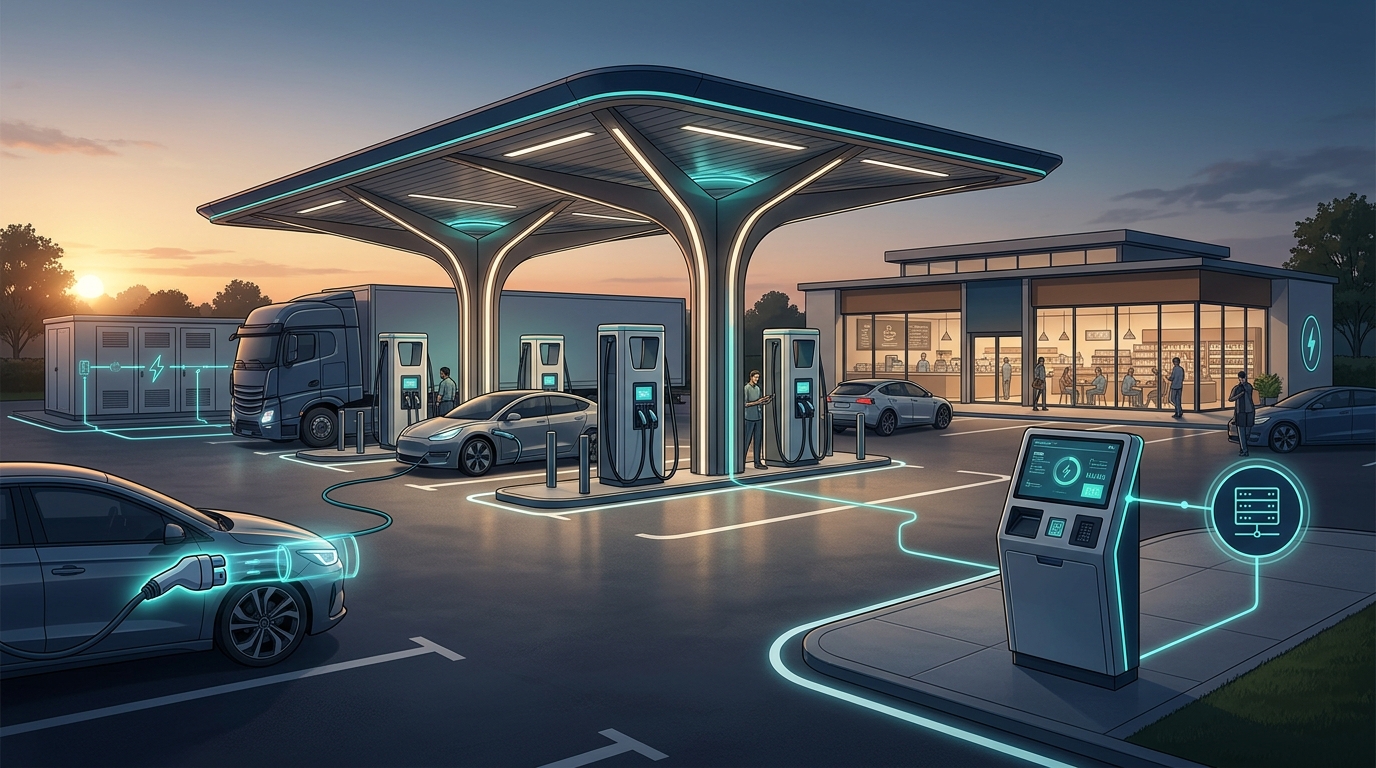
A unified customer experience can depend on several systems and contracts. Fuel authorisation, retail sales, EV charging sessions and payment settlement do not become one process simply because an operator chooses a single brand of equipment.
Wetstock control requires consistent measurement and an accountable investigation process. A controller upgrade can improve connectivity, but it cannot by itself prove that all differences between deliveries, sales and tank measurements have disappeared.
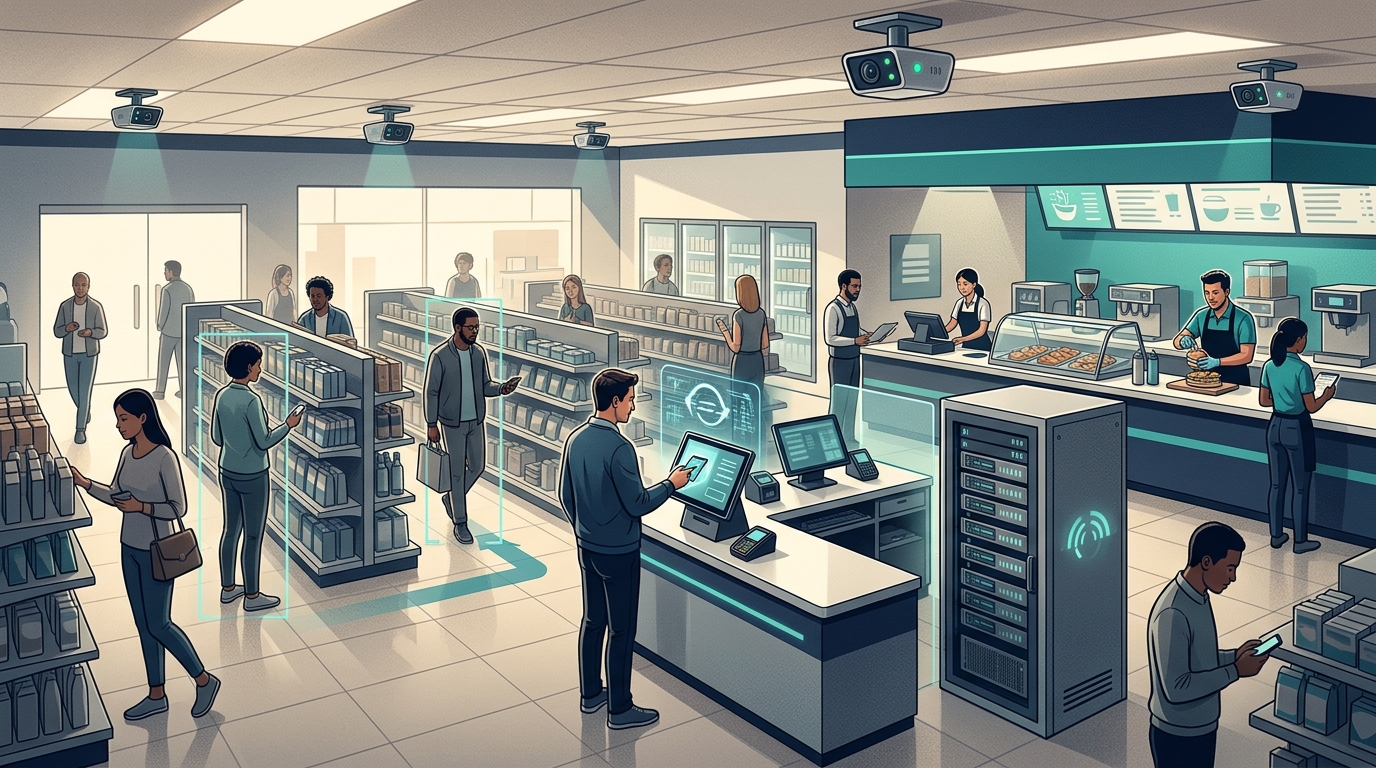
An autonomous-store pilot should answer a specific operating question: can this format serve the intended customers accurately and economically in this location? It should not begin with a fixed promise about camera count, staffing savings or payback.
A megawatt-charging proposal starts with the fleet: which vehicles will arrive, how much energy they need, and how long they can remain at the site. A connector’s maximum rating does not answer those questions.
An oven’s cook cycle is only one part of a food order. A forecourt kitchen also has to receive the order, assemble ingredients, cook the product, package it and hand it to the correct customer. A fast appliance does not guarantee a fast overall service.
A battery can supply a short burst of power above a site’s grid import limit. It cannot create the energy needed to sustain repeated charging sessions. That distinction should be explicit in any proposal to open a truck-charging site before a larger connection is available.
A retail-automation retrofit must preserve the ability to trade and recover when something goes wrong. “No downtime” is a result to demonstrate through planning and testing, not an assumption that follows from installing a separate server.
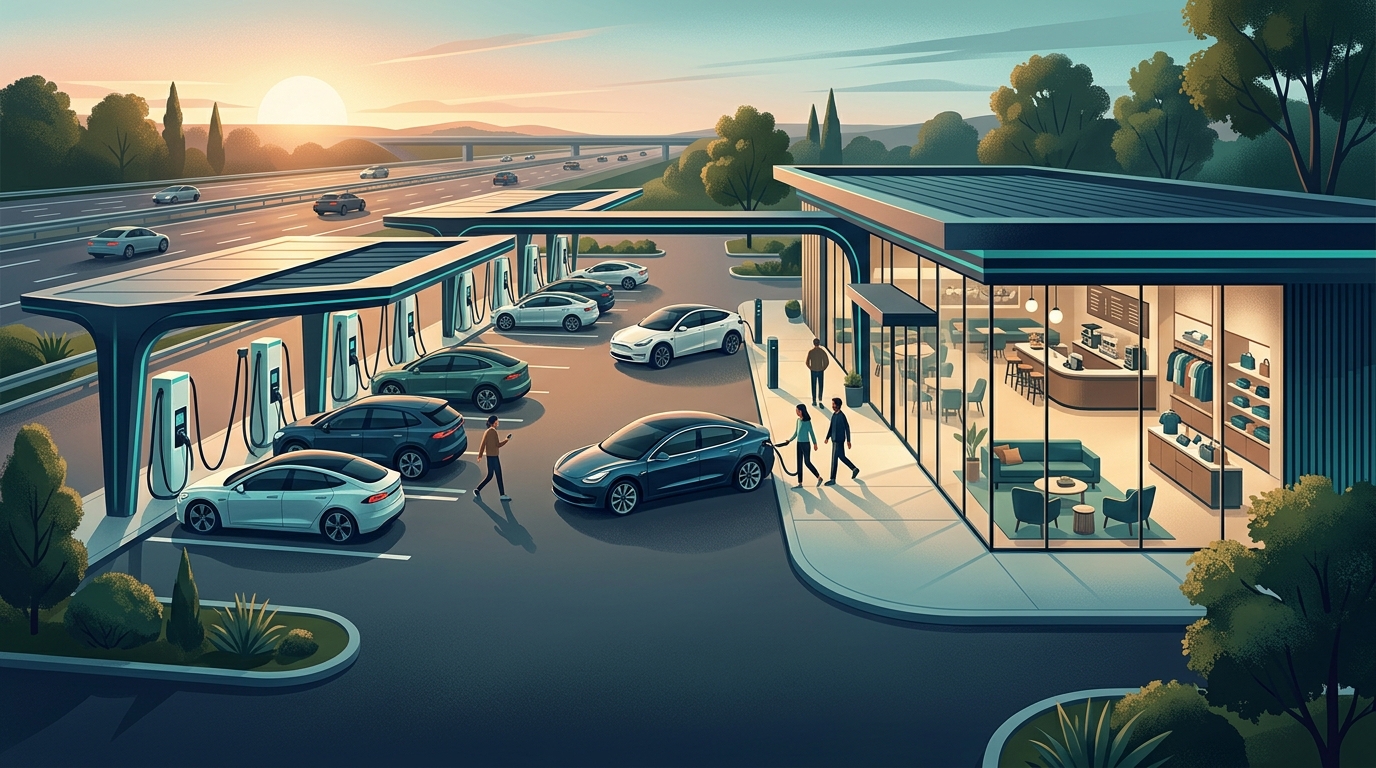
Charging visitors may be potential bakery customers, but a food offer has to work across the whole trading day. Excess production can turn a busy morning into an expensive afternoon if demand falls away and prepared stock is discarded.
This briefing separates the charging-management connection, vehicle authorisation, retail checkout and payment settlement. It explains the questions an operator should resolve before commissioning a combined customer journey.
A high-power charging hub has to deliver an understandable, dependable visit. Maximum charger output is one part of that offer; access, payment, assistance and the route to the store also matter.
Removing a checkout counter is a design choice, not a complete retail strategy. Operators should first establish whether the main problem is queueing, staff workload, restricted opening hours or errors in transaction processing.
 Analysis